Best Time To Visit Portugal
The best time to visit Portugal is generally spring and early autumn, when mild to warm temperatures make it comfortable to explore historic cities, enjoy the Atlantic coast, and discover the country’s scenic countryside. These seasons are particularly pleasant for visiting Lisbon, Porto, the Algarve, and the Douro Valley, although popular destinations can still be busy during peak holiday periods.
Why You Should Visit Portugal: Portugal combines historic cities, beautiful coastlines, distinctive architecture, and strong regional traditions in a relatively compact destination. From wandering through Lisbon’s historic neighbourhoods and discovering Porto’s riverside heritage to relaxing on the Algarve’s beaches and visiting vineyards in the Douro Valley, Portugal offers a varied mix of culture, scenery, food, and outdoor experiences.
Things to Consider: Portugal’s climate varies between regions, so check the forecast for your specific destinations before travelling. Summers can be hot, particularly in inland areas and parts of the Algarve, while northern Portugal tends to be cooler and wetter.
Monthly Travel Guide for Portugal
Travelling in Portugal from Janury to March
January and February are generally the coolest months in Portugal, with wetter conditions more common in the north and milder weather along the southern coast and in the Algarve. As March arrives, temperatures gradually rise and daylight hours increase, creating more comfortable conditions for sightseeing, exploring historic cities, and visiting Portugal’s coastal and countryside destinations.
March marks the beginning of spring, bringing increasingly pleasant days and a growing calendar of local events and celebrations. Northern Portugal can still be cool and rainy, while Lisbon and the Algarve tend to be milder, so packing light layers and a waterproof jacket is recommended.

- You can enjoy fewer crowds and potentially lower prices than during the peak summer season.
- A good period for sightseeing and outdoor activities without the intense heat of July and August.
 Northern Portugal and inland areas can still experience cooler or unsettled weather, particularly in January and February.
- Rainfall can be more frequent during this period, especially in the north, and occasional wet weather may affect outdoor activities or travel plans.
Travelling in Portugal from April to May
April and May bring increasingly warm and pleasant weather across Portugal, making spring a comfortable season for discovering the country’s cities, countryside, and coastline. Southern Portugal and the Algarve tend to warm up sooner, while northern regions can remain cooler and wetter. The season also brings greener landscapes, blooming gardens, and longer days for enjoying Portugal outdoors.
Spring is a good time to discover Portugal’s wine regions, historic towns, coastal scenery, and local traditions before the busiest summer period begins. April and May also feature a range of local festivals and cultural events, although occasional showers are still possible, particularly in the north.
- Enjoy comfortable spring temperatures for sightseeing, scenic excursions, vineyard visits, and exploring Portugal’s historic towns.
- See Portugal’s countryside and gardens at their most colourful, particularly around destinations such as Sintra and the Douro Valley.
- Travel before the peak summer season, with many popular destinations generally less busy than in July and August.
- Rain showers can still occur, particularly in northern Portugal and during April.
- Atlantic waters remain cool in spring, so swimming conditions may not be ideal for everyone, especially earlier in the season.
Travelling in Portugal in June
June brings warm, mostly sunny weather across Portugal, with long days and the start of the country’s lively summer season. It is a particularly enjoyable month for combining coastal escapes, cultural visits, and outdoor dining, while the Algarve, Lisbon coast, and northern beaches offer plenty of opportunities to enjoy the Atlantic. June is also a major month for traditional celebrations, especially in Lisbon and Porto.
- Enjoy Portugal’s long summer days, with plenty of time for coastal excursions, sightseeing, and relaxed evenings outdoors.
- Join the country’s traditional June celebrations, with street parties, music, dancing, and local food bringing neighbourhoods to life.
- Temperatures can become quite high inland, particularly during the afternoon, while coastal areas are often moderated by Atlantic breezes.
- Popular destinations begin to become busier in June, particularly around major festivals and coastal resorts.
Travelling in Portugal from July to August
July and August are the height of summer in Portugal, bringing hot, sunny weather, long daylight hours, and a lively holiday atmosphere. The Algarve, Lisbon coast, and Atlantic beaches are popular during these months, while cities and towns come alive with outdoor dining, evening events, and traditional summer festivals. Inland areas can become particularly hot, making coastal destinations and northern regions appealing alternatives.
- Summer festivals and local celebrations bring music, food, street parties, and traditional events to towns and cities across Portugal.
- Long evenings are ideal for enjoying outdoor restaurants, riverside cafés, seaside promenades, and local nightlife.
- Inland temperatures can become very high, particularly during the afternoon, so plan sightseeing around the cooler parts of the day.
Travelling in Portugal in September
September brings warm, pleasant conditions across Portugal, with the intense summer heat beginning to ease while many destinations remain sunny and inviting. It is an important month for the country’s wine regions, as the grape harvest gets underway in the Douro Valley and other wine-producing areas, creating opportunities to experience traditional harvest activities and seasonal tastings.
The month also offers a comfortable setting for discovering Portugal’s regional food, countryside, and coastal landscapes. With summer holidays winding down, popular destinations often feel less crowded, while evenings remain warm enough for outdoor dining and relaxed time in town squares or by the coast.
- September is a highlight for wine lovers, with grape harvesting and wine-related activities taking place in Portugal’s major wine regions.
- Seasonal produce and regional cuisine make this a great time to visit local markets, restaurants, vineyards, and food festivals.
- Warm days and milder evenings provide comfortable conditions for countryside excursions, coastal visits, and outdoor dining.
Travelling in Portugal from October to December
October and November bring cooler temperatures and a gradual transition into autumn across Portugal, while December introduces the winter season and a festive atmosphere. Southern Portugal and the Algarve generally remain milder, while northern areas tend to be cooler and wetter. These months are well suited to exploring Portugal’s historic towns, wine regions, cultural attractions, and seasonal food traditions.
- October is a great time to visit the Douro Valley and Alentejo, when autumn landscapes and the grape harvest add a seasonal character to the countryside.
- November offers comfortable conditions for exploring Lisbon, Porto, and Portugal’s historic towns, with fewer visitors than during the summer months.
- December brings Christmas markets, festive decorations, and seasonal celebrations to cities and towns across Portugal.
- Cooler temperatures and increased rainfall, particularly in northern Portugal, can make some outdoor activities and coastal plans less predictable.
When to Visit Portugal

Visiting Portugal in Winter
Winter is a rewarding time to discover Portugal through its food, traditions, and seasonal atmosphere. Christmas celebrations bring festive decorations, markets, and local events to towns and cities, while January and February offer a quieter setting for exploring historic neighbourhoods, museums, and traditional cafés. In the north, cooler and wetter weather creates a cosy atmosphere for enjoying Porto’s wine cellars and restaurants, while the Algarve and southern coast generally offer milder conditions for combining sightseeing with outdoor activities.
Tips for travelling in Portugal in winter:
- Pack layers and a waterproof jacket, as temperatures and rainfall can vary between northern, central, and southern Portugal.
- Take advantage of quieter periods to explore Lisbon and Porto’s museums, historic landmarks, churches, and cultural attractions.
- Enjoy seasonal Portuguese cuisine, from hearty regional dishes and fresh seafood to warming soups, pastries, and local wines.

Explore Portugal in the Summer
Summer in Portugal brings long sunny days, lively coastal towns, and plenty of opportunities to enjoy the country outdoors. From June through August, the Algarve’s beaches become a major draw, while Lisbon and Porto stay lively with outdoor dining, riverside cafés, and evening events. Inland areas can become quite hot, so many travellers plan sightseeing for the morning or later afternoon, leaving the hottest part of the day for a relaxed lunch, a café stop, or time by the water. Along the Atlantic coast, cooler breezes can provide a welcome break from the summer heat.
Tips for travelling in Portugal in the summer:
- Carry a reusable water bottle and stay hydrated, particularly when exploring cities on foot or spending time outdoors.
- Choose lightweight, breathable clothing and comfortable shoes for Portugal’s hilly streets, cobblestones, and historic neighbourhoods.
- Bring sun protection, including sunscreen, sunglasses, and a hat, especially when visiting beaches, viewpoints, and exposed outdoor attractions.

Festivals & Events in Portugal
Portugal’s calendar is filled with festivals and celebrations throughout the year, with each season offering a different way to experience the country’s traditions, music, food, and local culture. Spring brings religious celebrations and colourful festivities, while summer is marked by lively street parties, music events, and coastal celebrations. Autumn highlights Portugal’s wine and harvest traditions, and winter brings festive markets and Christmas events to cities and towns across the country.
- Spring: Holy Week celebrations, the Festa das Cruzes in Barcelos, and the Festa do Senhor Santo Cristo dos Milagres in the Azores showcase Portugal’s religious traditions, local customs, and colourful celebrations.
- Summer: The Festas de Lisboa, São João Festival in Porto, and Festa de Santo António bring music, street parties, traditional food, and lively celebrations to cities across Portugal.
- Autumn: Grape harvests, wine festivals, and regional food fairs offer opportunities to experience Portugal’s agricultural traditions, particularly in the Douro Valley and Alentejo.
- Winter: Christmas markets, festive decorations, New Year celebrations, and traditional holiday events create a welcoming atmosphere across Portugal.
- Late winter: Carnival celebrations in places such as Torres Vedras and Loulé feature colourful costumes, parades, music, and lively street festivities.
Portugal by Season
Winter
The cooler months from November to March can be a great time for travelling around Portugal, with milder conditions in the south and fewer visitors at many popular attractions. This is a good season for discovering historic cities, enjoying local cuisine, visiting cultural sites, and exploring Portugal’s diverse regions at a more relaxed pace.
Winter is particularly well suited to city breaks and cultural sightseeing, with Lisbon, Porto, Coimbra, and Évora offering museums, historic landmarks, traditional neighbourhoods, and local dining experiences. The Algarve and southern coast can also provide milder weather for scenic excursions, while the quieter atmosphere makes it easier to enjoy Portugal’s towns and attractions.
Best Things to do in Portugal in winter:
Discover Lisbon’s historic neighbourhoods, visit Porto’s wine cellars and riverside sights, explore Évora’s Roman and medieval heritage, enjoy the Algarve’s coastal scenery, or sample seasonal Portuguese dishes and wines in local restaurants.

Spring
Spring is an ideal season for discovering Portugal’s landscapes and regional character, with pleasant temperatures, longer days, and nature coming into bloom. The season is well suited to exploring the Algarve’s coastline, visiting gardens and palaces in Sintra, touring vineyards in the Douro Valley, and enjoying Portugal’s outdoor cafés and local markets.
Best Things to do in Portugal in spring:
Visit the gardens and palaces of Sintra, admire the Algarve’s coastal scenery, explore the Douro Valley during the spring growing season, discover Portugal’s historic towns, or enjoy seasonal food and local festivals as the country moves into warmer weather.

Summer
Summer is a great season for enjoying Portugal’s coast, islands, and outdoor lifestyle, with long sunny days and warm evenings creating plenty of opportunities to spend time by the water. The Algarve becomes a popular destination for beaches and boat trips, while the Atlantic coast offers excellent conditions for surfing and other water activities. Inland, Portugal’s vineyards, historic towns, and scenic countryside provide a different way to enjoy the summer months.
Best Things to do in Portugal in summer:
Relax on the beaches of the Algarve, take a boat trip along the coast or around the Benagil sea caves, enjoy the Atlantic beaches near Lisbon and Porto, visit the Douro Valley and its vineyards, or join the lively summer festivals and local celebrations held across Portugal.

Autumn
Autumn is a wonderful season for discovering Portugal’s food and wine traditions, with grape harvests taking place across the country and cooler temperatures creating comfortable conditions for exploring the countryside. The Douro Valley, Alentejo, and northern wine regions become particularly appealing, while coastal destinations remain enjoyable as the summer heat begins to fade.
The season also brings a more relaxed rhythm to Portugal’s popular destinations. It is a good time to enjoy regional cuisine, visit local markets, tour vineyards, take scenic drives through the countryside, or spend time along the Atlantic coast without the intensity of the peak summer season.
Best Things to do in Portugal in autumn:
Join a wine tasting in the Douro Valley, discover Portugal’s harvest traditions, sample seasonal dishes at local restaurants and markets, take a scenic drive through the Alentejo countryside, or enjoy the Algarve’s beaches and coastal towns during the quieter autumn months.

Portugal FAQ

What’s the cheapest time to go to Portugal?
The most affordable time to visit Portugal is generally November to March, outside the Christmas and New Year holiday period. With fewer visitors and lower demand, flights and accommodation can be less expensive, particularly in cities such as Lisbon and Porto. The Algarve is also quieter during these months, although some seasonal hotels and attractions may have reduced opening hours.
For a balance of lower prices and milder weather, consider travelling in November, February, or March. Booking flights and accommodation in advance, staying flexible with your dates, and comparing prices across different regions can also help you manage your travel budget.

What is the hottest month in Portugal?
August is generally the hottest month in Portugal, with July also bringing high summer temperatures. Inland areas, particularly in the Alentejo, can become very hot, while coastal destinations such as Lisbon, Porto, and the Algarve are often moderated by Atlantic breezes. For comfortable sightseeing, plan outdoor activities for the morning or late afternoon and take breaks during the hottest part of the day.

What is the best month for visiting Lisbon?
May and September are particularly good months to visit Lisbon, offering warm, generally pleasant weather for sightseeing, exploring historic neighbourhoods, and enjoying outdoor cafés and viewpoints. May brings spring flowers and longer days, while September often retains summer warmth with the peak holiday season beginning to ease.
Both months are well suited to exploring Lisbon on foot, although popular attractions can still be busy. Book key visits ahead of time, especially if your plans include major landmarks or day trips to Sintra.

What is the best time to visit Porto?
The best time to visit Porto is generally May to September, when warmer temperatures and longer daylight hours make it pleasant to explore the historic centre, stroll along the Douro River, and enjoy outdoor cafés. May, June, and September are particularly appealing for sightseeing, with comfortable conditions and fewer peak-season crowds than July and August.
Porto can be rainy during autumn and winter, especially from November to February, so pack layers and a waterproof jacket if travelling then. Spring and early autumn offer a good balance for exploring the city and taking day trips to the Douro Valley.
What is the best time for exploring Portugal without the sweat?
For comfortable sightseeing without the summer heat, visit Portugal in April, May, September, or October. These months generally bring mild to warm temperatures, making it easier to explore historic cities, walk along the coast, and enjoy outdoor activities without the intense heat of July and August. Spring brings blooming landscapes, while early autumn often offers warm days and pleasant conditions for exploring at a relaxed pace.
Temperatures vary by region, with northern Portugal generally cooler than the south. If you plan to visit several destinations, pack light layers and check local forecasts before travelling.

How many days do you need to visit Portugal?
For a first trip, 7–10 days is a comfortable amount of time to see Portugal’s main highlights without rushing. This gives you enough time to visit Lisbon, Porto, and the Algarve, while allowing time for sightseeing, local food, and travel between destinations.
With 10–14 days, you can explore at a more relaxed pace and add places such as Évora, Coimbra, Sintra, or the Douro Valley. If you have less time, focusing on Lisbon and one nearby region can still give you a rewarding introduction to Portugal.

What is the coldest month in Portugal?

What are the best cities to visit in Portugal?
Portugal offers a variety of cities, each with its own character, history, architecture, and local traditions. Lisbon, Porto, Coimbra, Évora, and Faro are among the most popular choices, while destinations such as Braga and Sintra offer further opportunities to discover Portugal’s heritage and landscapes.
Lisbon is known for its historic neighbourhoods, tiled façades, viewpoints, and fado traditions, while Porto combines riverside scenery with historic architecture and Port wine culture. Coimbra is home to one of Europe’s oldest universities, Évora is celebrated for its Roman and medieval heritage, and Faro provides a convenient base for exploring the Algarve’s coastline and historic towns.

Is it safe to travel to Portugal?

What are the most beautiful places in Portugal?

Does Portugal have nightlife?
Yes, Portugal has a lively nightlife scene, particularly in Lisbon, Porto, and the Algarve. Lisbon is known for its late-night bars, live music venues, and nightlife around Bairro Alto and Cais do Sodré, while Porto offers a mix of wine bars, pubs, live music, and late-night venues around the historic centre.
The Algarve is popular for its beach bars, relaxed evening venues, and clubs, especially in destinations such as Albufeira. Outside the main nightlife areas, you can enjoy quieter evenings at traditional restaurants, wine bars, or fado venues, making Portugal suitable for both lively nights out and more relaxed evenings.

Which airlines fly directly into Portugal?
Portugal is served by a wide range of international airlines, with Lisbon, Porto, and Faro being the main gateways for international travellers. TAP Air Portugal operates extensive international and domestic services, while airlines such as Ryanair, easyJet, Vueling, Wizz Air, Transavia, and Norwegian also operate direct routes to Portugal.

What to wear in Portugal?
What to wear in Portugal depends on the season and region, but light, comfortable clothing and practical walking shoes are useful for most trips. Summers are generally warm and sunny, so pack breathable clothes, sunglasses, and sun protection, while spring and autumn call for light layers and a jacket for cooler evenings. Winters can be wetter, particularly in northern Portugal, making a waterproof jacket and warmer layers useful.
Related Tours
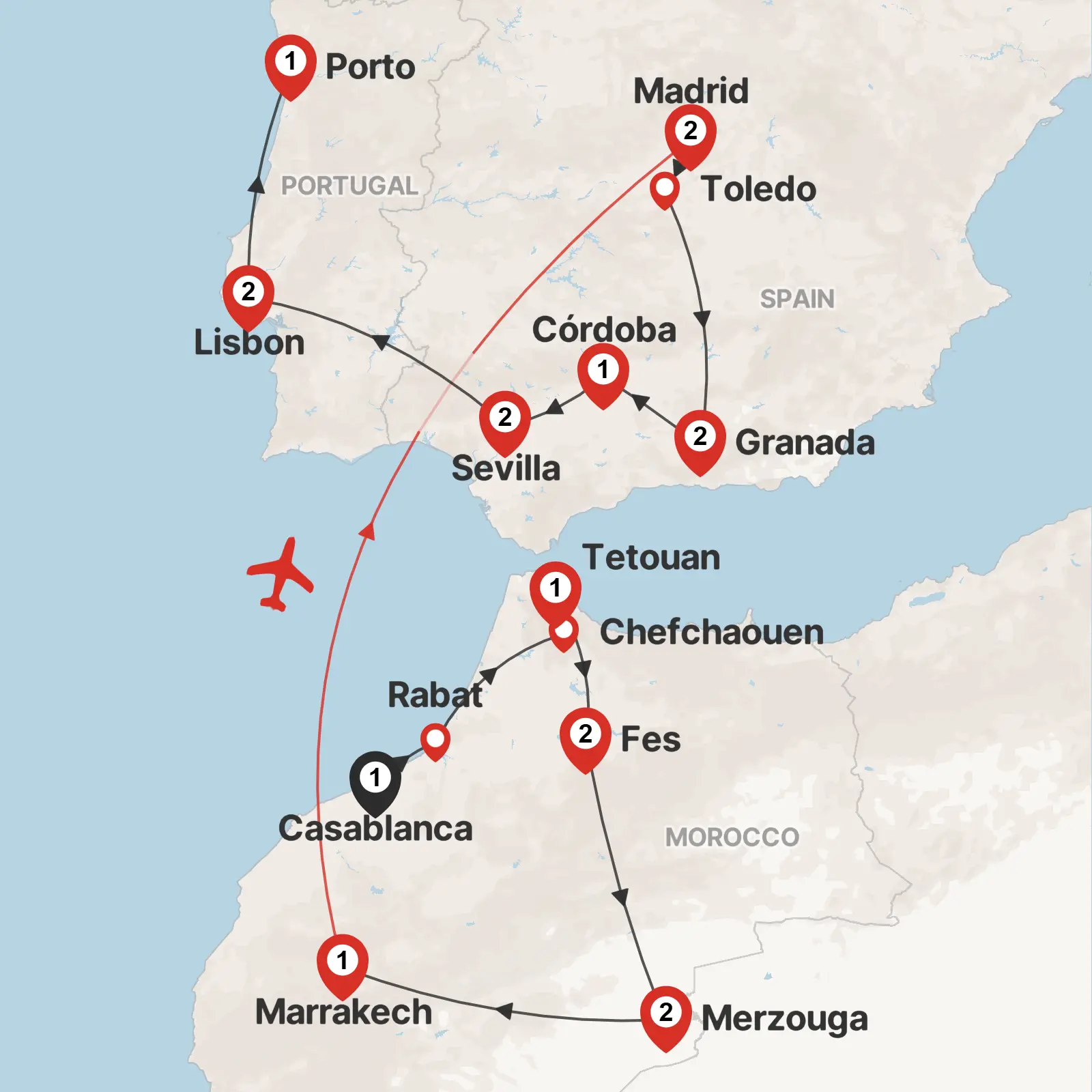


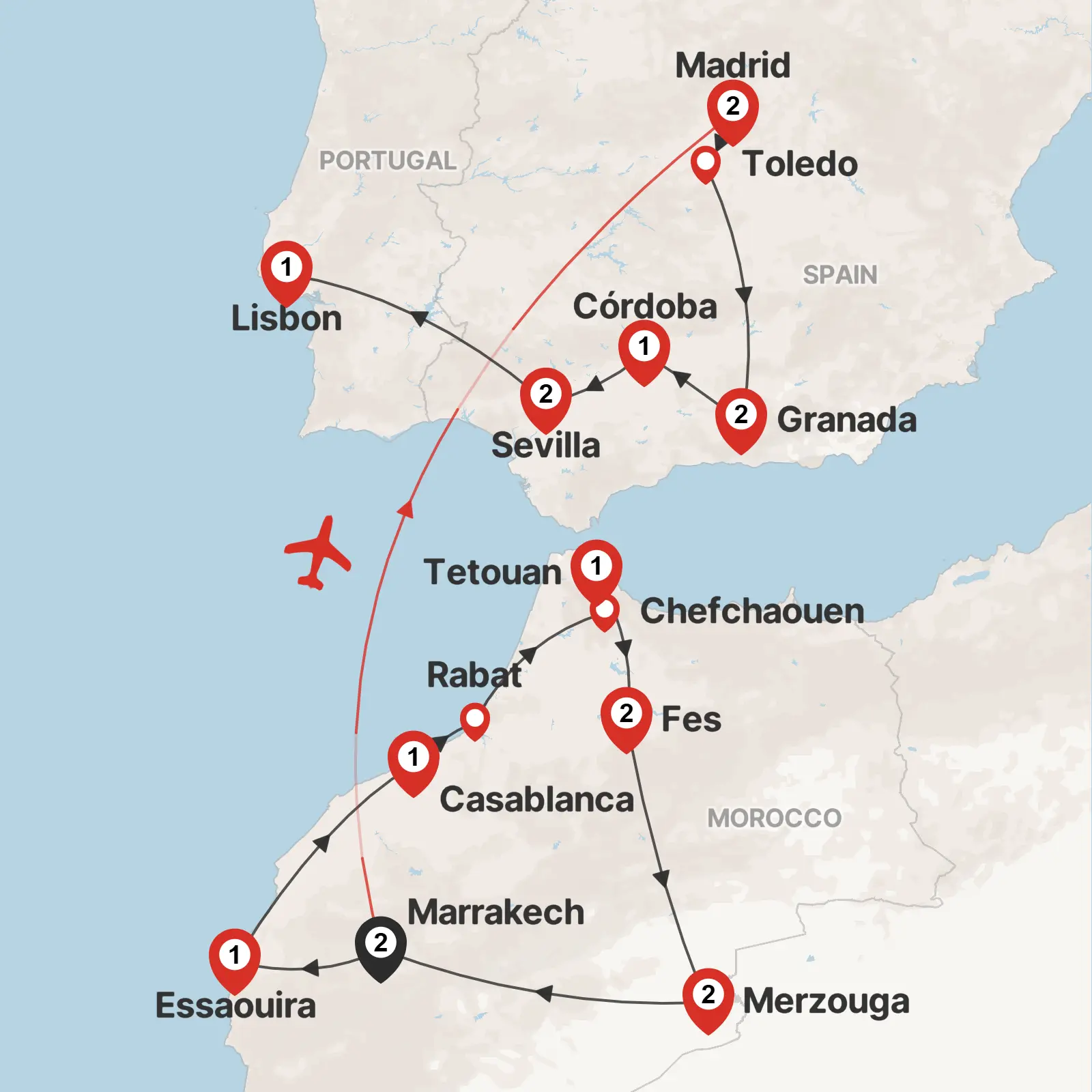
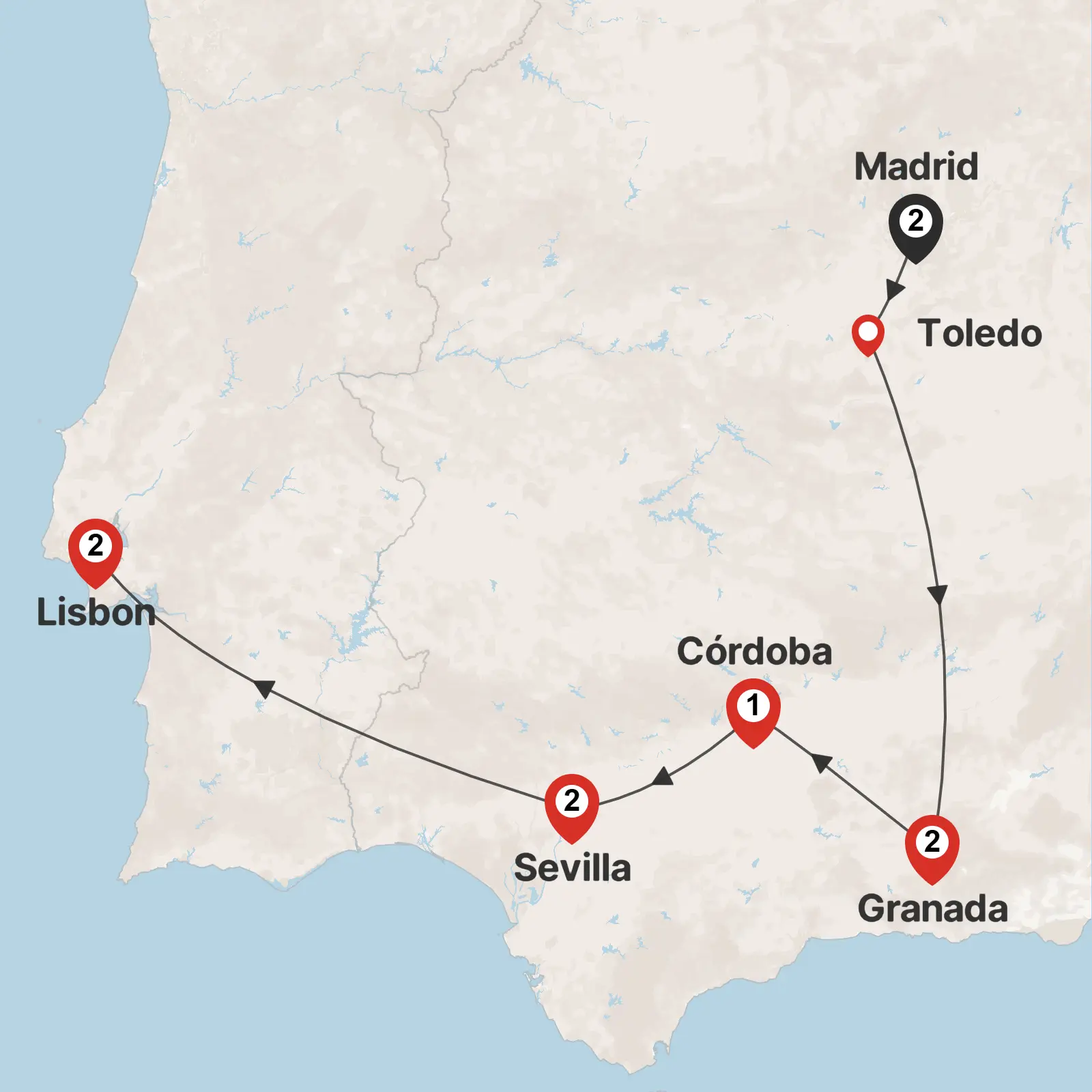
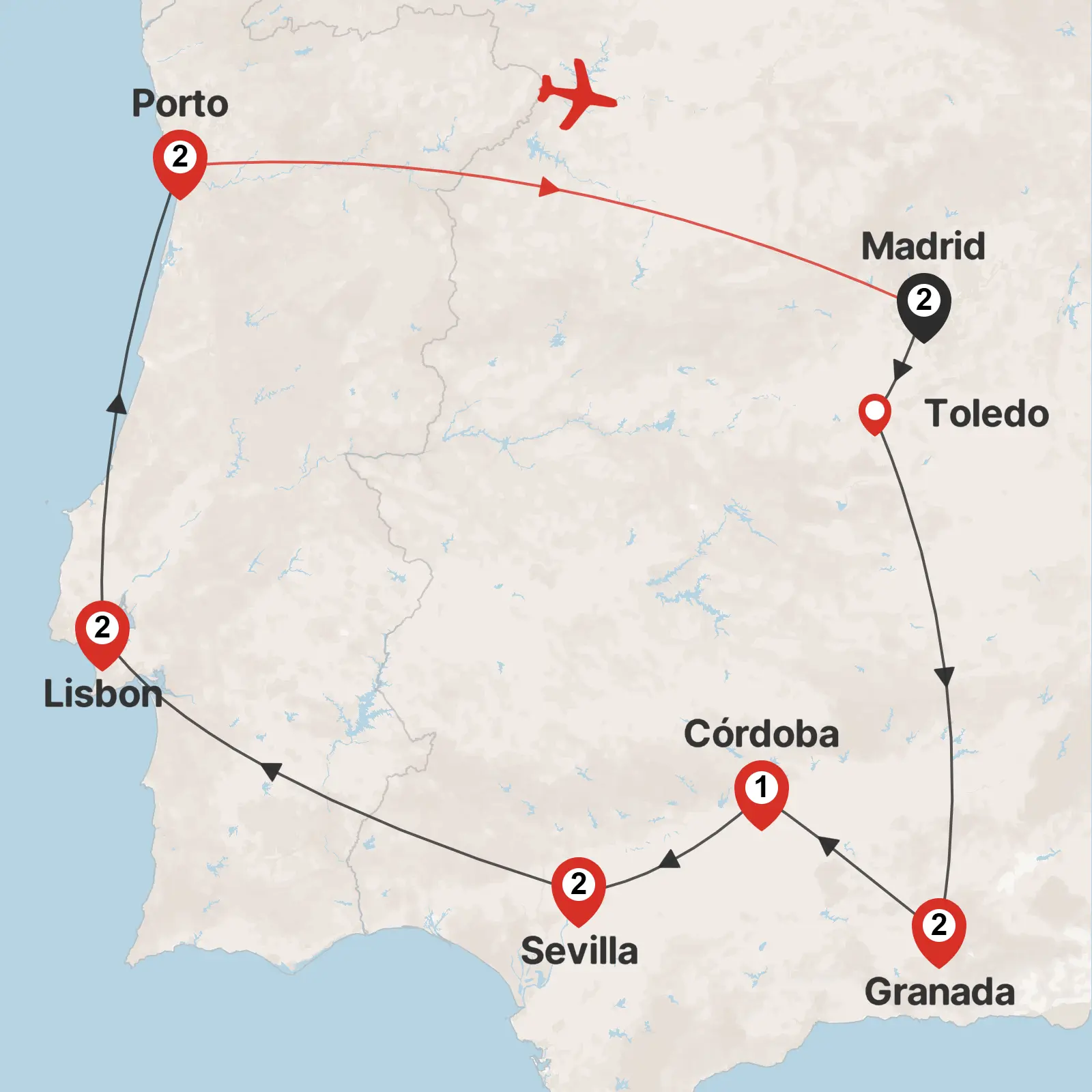
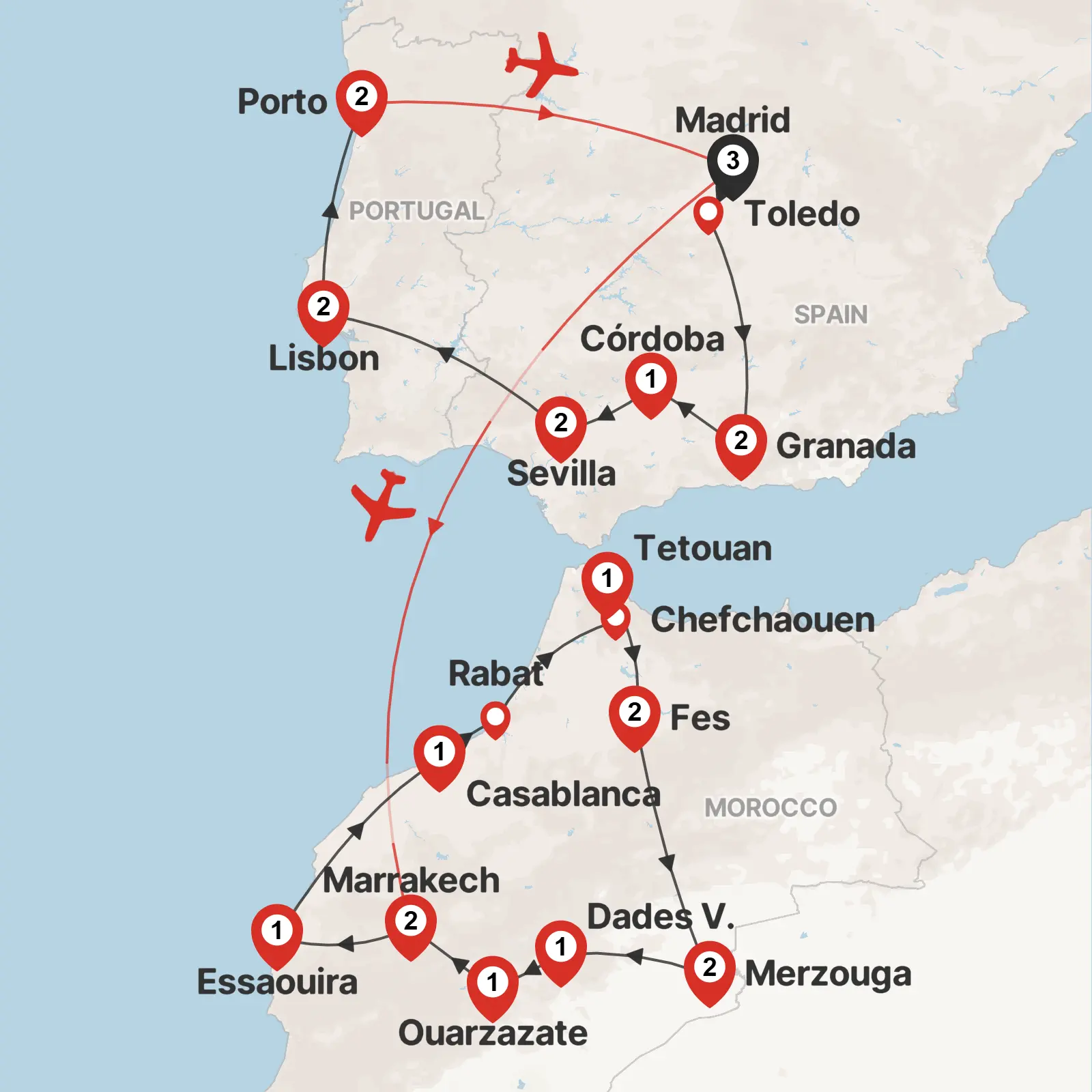
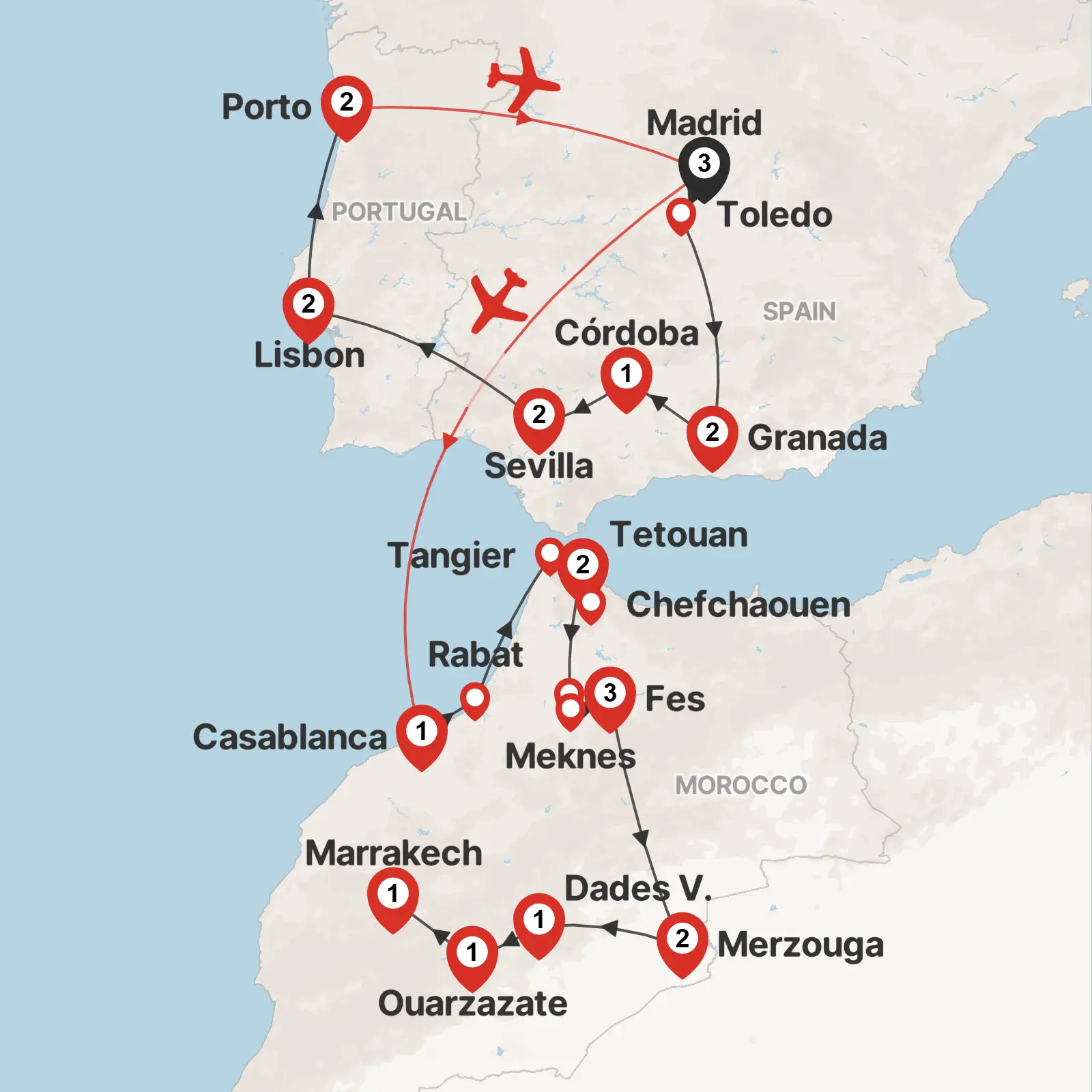
24 Days | 19 Locations | 3 Country