Best Time To Visit Italy
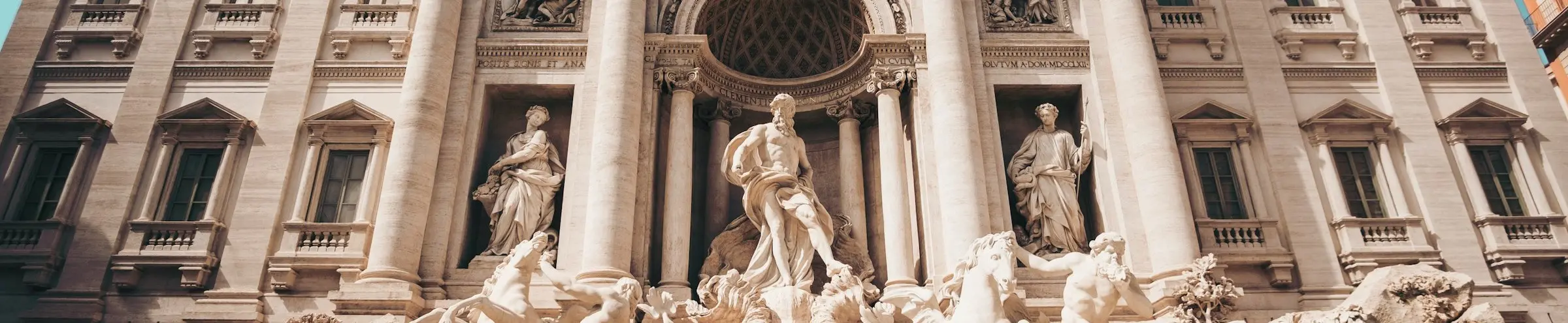
The best time to visit Italy is generally spring and autumn, when pleasant temperatures make it ideal for exploring historic cities, enjoying the coast, and discovering Italy’s scenic countryside. These seasons are particularly comfortable for visiting popular destinations such as Rome, Florence, Venice, and the Amalfi Coast, although major cities and attractions can still be busy.
Why You Should Visit Italy: Italy is an exceptional destination known for its ancient history, remarkable art and architecture, beautiful coastlines, and distinctive regional traditions. From exploring Rome’s iconic landmarks and Florence’s Renaissance treasures to discovering Venice’s canals and enjoying the scenery of Tuscany and the Amalfi Coast, Italy offers an unforgettable combination of culture, history, food, and landscapes.
Things to Consider: Italy’s climate varies significantly between regions, so check the weather for your specific destinations before travelling. Summers can be hot, particularly in southern Italy and inland cities, while winter brings cooler temperatures and increased rainfall in many areas. Comfortable clothing and shoes are recommended for sightseeing, and modest dress is advisable when visiting churches and other religious sites.
Monthly Travel Guide for Italy
Travelling in Italy from Janury to March
January and February are generally the coldest months across Italy, with colder conditions in the north and inland areas, while southern regions and coastal destinations tend to remain milder. March brings gradually warmer temperatures as spring approaches, making it an increasingly pleasant time for sightseeing and exploring Italy’s historic cities, with fewer visitors than during the peak summer months.
March also marks the beginning of spring, bringing longer days and more comfortable conditions for exploring outdoor attractions and scenic landscapes. Northern Italy can still be cool, particularly in the mornings and evenings, while central and southern regions are generally milder. Layers and a light waterproof jacket are recommended, as weather conditions can vary considerably between regions.

- Enjoy cooler temperatures that are comfortable for walking tours.
- Experience Italy’s cities with a quieter, more local atmosphere.
 Cold weather can make outdoor sightseeing less comfortable, especially in northern Italy.
- Shorter days mean less daylight for scenic stops and free time.
Travelling in Italy from April to May
April and May bring mild, increasingly warm weather across Italy, making this an excellent time for sightseeing, walking tours, and exploring historic cities. Southern Italy and coastal areas tend to be warmer, while northern and alpine regions can remain cooler, particularly in the mornings and evenings.
Spring is also a lively season for travelling through Italy, with local festivals, cultural events, and outdoor activities taking place across the country. May generally brings sunnier and more settled days, although occasional rain is still possible, so light layers and a waterproof jacket are recommended.
- Enjoy comfortable temperatures for exploring Italy’s historic centres on foot.
- See the countryside and gardens at their best as spring landscapes come into bloom.
- Take advantage of longer days for sightseeing, free time, and scenic stops.
- Easter can bring higher visitor numbers and busier attractions.
- Spring showers can occasionally disrupt outdoor plans.
Travelling in Italy in June
June brings warm, sunny weather across much of Italy, making it an excellent time for sightseeing, exploring historic cities, and enjoying the country’s beaches and outdoor attractions. Southern and inland areas can become quite hot, while northern Italy and coastal regions generally remain more moderate, creating comfortable conditions for exploring.
With long daylight hours and the summer season getting underway, June is also a great time for scenic excursions, outdoor dining, and exploring Italy’s coastal destinations. Popular cities and attractions begin to get busier, so booking key visits in advance can help you make the most of your trip.
- Make the most of long summer days, with plenty of daylight for sightseeing, scenic drives, and evening strolls.
- Enjoy Italy’s outdoor season, from lakes and coastal towns to countryside excursions and alfresco dining.
- Midday sightseeing can become tiring in warmer regions, particularly when spending several hours exploring cities on foot.
- 2 June is Republic Day, when some public services and businesses may operate differently and major celebrations take place, particularly in Rome.
Travelling in Italy from July to August
July and August are the height of summer in Italy, bringing hot, sunny weather and long days across much of the country. Southern Italy and inland cities can become particularly warm, while the Alps, northern lakes, and coastal areas offer cooler alternatives. Italy’s beaches, islands, and lakes are especially popular during these months, making summer ideal for swimming, outdoor activities, and relaxed evenings by the water.
The season also brings a lively holiday atmosphere, with outdoor dining, evening strolls, and local events taking place across the country. From the Mediterranean coast to the mountains, Italy offers plenty of ways to enjoy the outdoors during the summer months.
- Longer days make busy itineraries easier to enjoy, giving you more daylight for guided visits, scenic stops, and free time.
- Coastal and lakeside destinations are at their summer best, offering opportunities for swimming, boat trips, and relaxing between sightseeing days.
- Intense afternoon heat can make walking tours demanding, particularly in cities such as Rome, Florence, and Naples.
- Summer holidays bring increased demand, which can mean busier trains, ferries, resorts, and popular coastal destinations.
Travelling in Italy in September
September brings warm, increasingly comfortable weather across Italy, with the intense summer heat beginning to ease. Southern Italy and coastal destinations remain well suited to beach days and swimming, while the milder conditions make walking tours, city sightseeing, and countryside excursions more enjoyable.
-
- Countryside and wine regions take on a seasonal appeal, with vineyards and rural landscapes moving towards the autumn harvest period.
- The coast remains inviting, with warm sea temperatures allowing you to combine cultural visits with swimming and seaside relaxation.
Travelling in Italy from October to December
October and November bring cooler temperatures and a gradual shift into autumn, while December marks the beginning of winter across Italy. Northern and inland regions become noticeably cooler, while southern Italy and Mediterranean coastal areas generally remain milder. These months are well suited to sightseeing, exploring historic cities, and enjoying Italy’s cultural attractions without the intense summer heat.
Autumn also brings seasonal highlights to Italy’s countryside, with changing landscapes, harvest traditions, and food and wine events adding to the journey. By December, cities and towns take on a festive atmosphere, with Christmas markets, seasonal decorations, and winter celebrations creating an inviting backdrop for exploring Italy.
-
- November offers comfortable conditions for discovering Italy’s museums, historic landmarks, and cultural attractions, particularly in major cities.
- December brings a festive atmosphere to cities and towns across Italy, with Christmas markets, seasonal decorations, and local celebrations.
- Cooler temperatures and a higher chance of rain, particularly in northern and inland regions, can make some outdoor sightseeing and scenic excursions less predictable.
When to Visit Italy

Visiting Italy in Winter
Winter is a wonderful time to discover Italy through its food, traditions, and seasonal celebrations. Christmas markets, festive decorations, and local events bring a special atmosphere to cities and towns, while January and February offer a quieter setting for enjoying regional cuisine, cosy cafés, and Italy’s renowned culinary traditions. In the north, the Alps provide opportunities for skiing and winter activities, while southern Italy offers milder conditions for combining cultural sightseeing with outdoor exploration.
Tips for travelling in Italy in winter:
- Pack layers and a waterproof jacket, as winter conditions can vary considerably between northern, central, and southern Italy.
- Make the most of quieter attractions by exploring Italy’s museums, galleries, historic landmarks, and covered food markets.
- Enjoy seasonal Italian cuisine, from hearty regional dishes and fresh pasta to warming soups, risottos, and hot drinks.

Explore Italy in the Summer
Summer in Italy brings a lively mix of sightseeing, seaside escapes, and long evenings outdoors. From June through August, cities, coastal towns, and countryside destinations take on a distinctly summery atmosphere, with outdoor dining, evening passeggiata, local festivals, and busy piazzas becoming part of everyday life. While temperatures can be high in cities such as Rome, Florence, and Naples, the coast, lakes, and northern mountain regions offer opportunities to enjoy a change of pace and cooler surroundings.
Tips for travelling in Italy in the summer:
- Plan major sightseeing visits for the morning or later afternoon, when temperatures are generally more comfortable for walking tours.
- Wear lightweight clothing and comfortable footwear, particularly when exploring historic centres with cobbled streets and uneven surfaces.
- Keep sun protection handy, including sunscreen, sunglasses, and a hat, especially during outdoor visits and scenic excursions.

Festivals & Events in Italy
Italy’s festival calendar brings together religious traditions, historic celebrations, music, food, and local customs throughout the year. Spring is marked by Easter traditions and colourful events, while summer fills city squares and historic centres with outdoor concerts, local festivals, and cultural celebrations. Autumn turns the focus towards harvests, food, and wine, before winter brings Christmas markets, nativity traditions, and festive events across the country.
- Spring: Easter celebrations, Rome’s Natale di Roma, and local flower and food festivals offer opportunities to experience Italy’s traditions, history, and regional culture.
- Summer: Outdoor concerts, village festas, historic celebrations, and events such as the Palio di Siena bring music, tradition, and lively gatherings to towns and cities.
- Autumn: Grape harvests, truffle fairs, food festivals, and wine celebrations showcase Italy’s seasonal produce and distinctive regional cuisine.
- Winter: Christmas markets, nativity scenes, festive concerts, and New Year celebrations create a welcoming atmosphere in cities and towns across Italy.
- Carnival season: Venice Carnival is one of Italy’s best-known celebrations, with elaborate masks, historic costumes, performances, and events taking place throughout Venice.
Italy by Season
Winter
Winter is a particularly appealing season for discovering Italy’s historic cities and cultural treasures. From December to February, cooler temperatures create a comfortable setting for visiting museums, churches, galleries, and famous landmarks, while many destinations tend to feel more relaxed than during the busy summer months.
It is also a wonderful time to experience Italy’s seasonal character and local traditions. Christmas brings festive decorations, markets, and celebrations to cities across the country, while winter provides an opportunity to enjoy Italy’s renowned cuisine and explore its historic neighbourhoods at a slower pace.
Best Things to do in Italy in winter:
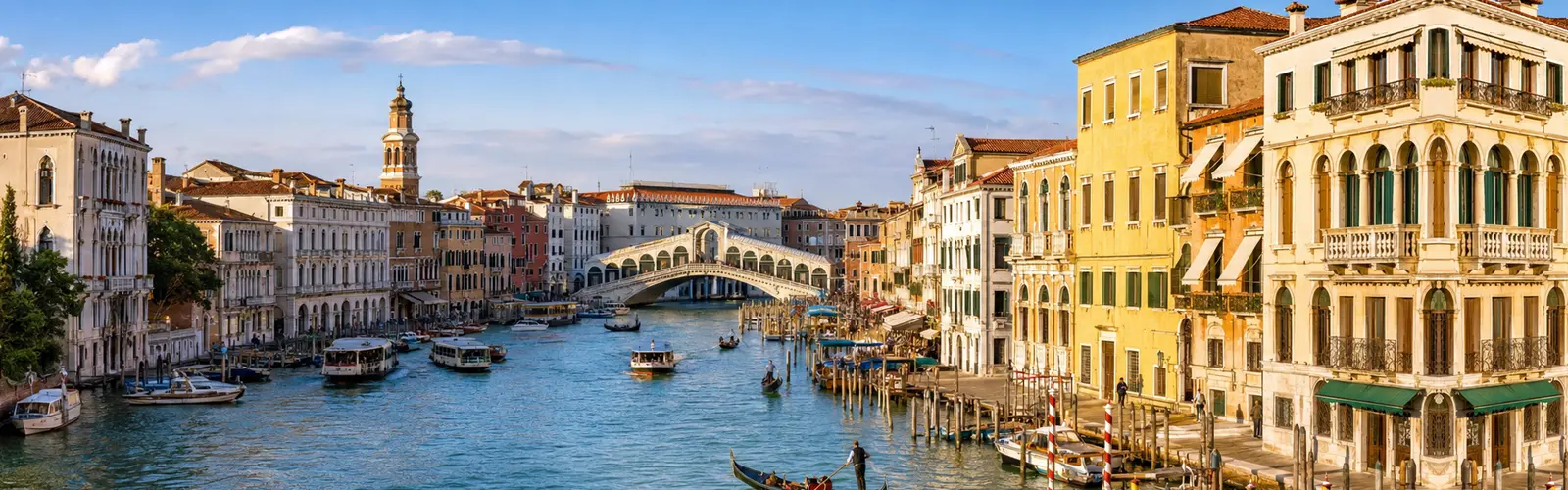
Discover Rome’s ancient landmarks and Vatican treasures, explore Florence’s Renaissance masterpieces, admire Venice’s canals and historic palaces, or experience Milan’s museums, architecture, and festive atmosphere.

Spring
Spring is an excellent season for exploring Italy’s historic cities and cultural highlights, with mild temperatures making it pleasant to spend time outdoors before the summer heat arrives. From March to May, gardens and countryside begin to bloom, while city streets, piazzas, and outdoor cafés take on a lively seasonal atmosphere.
Best Things to do in Italy in spring:
Admire Rome’s ancient landmarks, explore Florence’s Renaissance treasures, discover Venice’s historic canals and palaces, or visit the picturesque towns and vineyards of Tuscany.

Summer
Summer is an ideal season for discovering Italy’s iconic cities and enjoying its lively atmosphere, with long days creating more time for sightseeing, evening dining, and exploring historic centres. While the midday heat can be intense in some areas, Italy’s coastal towns, lakes, and mountain regions offer a refreshing contrast to the warmer cities.
Best Things to do in Italy in summer:
Explore Rome’s ancient landmarks, admire Florence’s Renaissance architecture, discover Venice’s canals and historic palaces, or travel through Tuscany to experience its picturesque towns, landscapes, and cultural heritage.

Autumn
The best time for budget travel to Italy is generally during the shoulder season from October to November, when summer demand begins to ease and cooler temperatures make city sightseeing more comfortable. Travellers can explore Italy’s famous cultural destinations at a more relaxed pace, while autumn also brings seasonal food, wine, and harvest traditions to many regions.
Autumn can also be a great time for a family holiday in Italy, particularly for those who prefer milder weather and fewer peak-season pressures. The season is well suited to discovering historic cities, museums, galleries, and landmarks, while Italy’s autumn cuisine provides plenty of opportunities to sample regional specialities together.
Best Things to do in Italy in autumn:
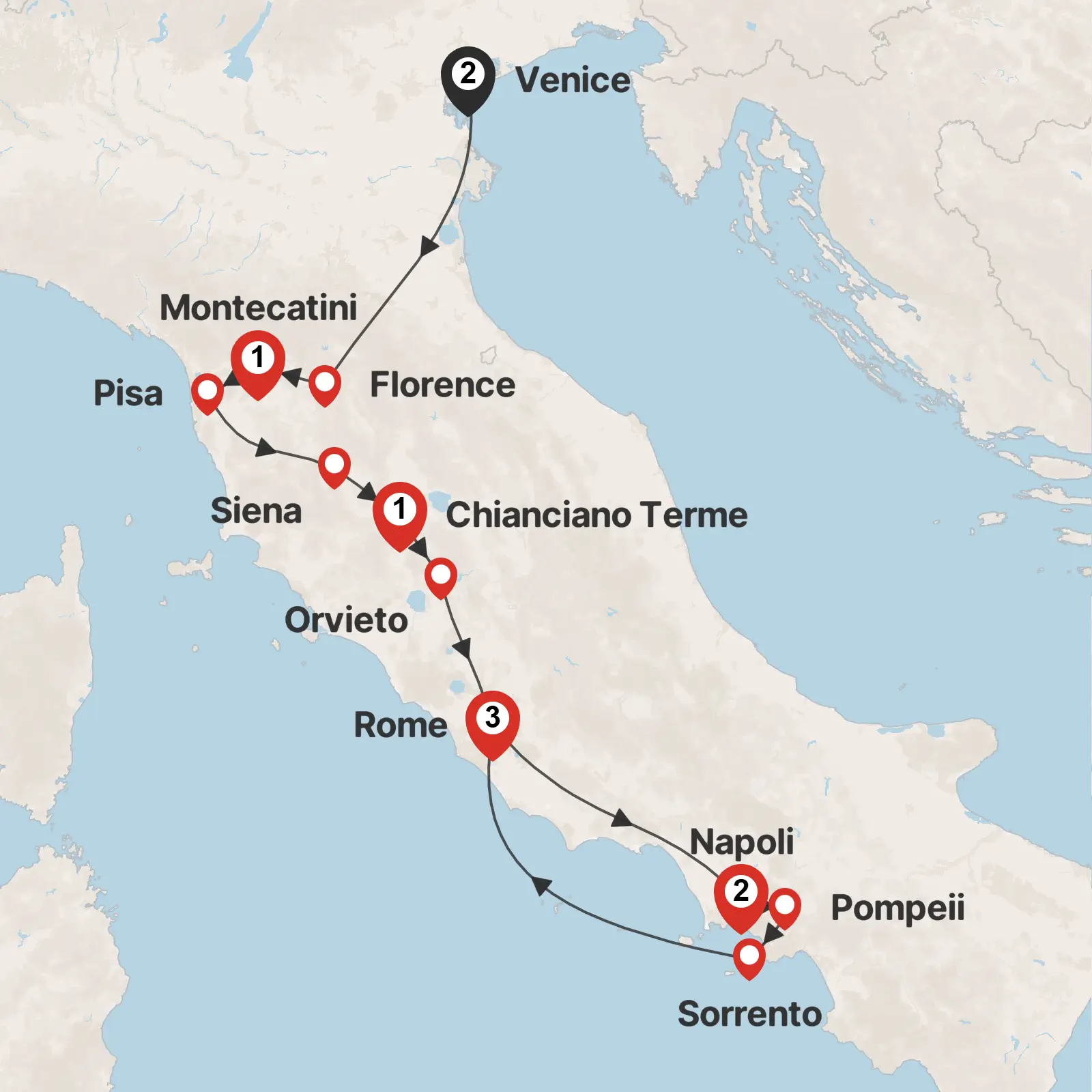
Explore Venice’s canals and historic squares, discover Florence’s Renaissance landmarks, admire Pisa’s famous Leaning Tower, wander through Siena’s medieval centre, or experience Rome’s ancient monuments and grand piazzas. Continue south to explore Pompeii’s archaeological remains, discover Naples’ historic character, and enjoy Sorrento’s coastal views.

Italy FAQ

What’s the cheapest time to go to Italy?
The cheapest time to visit Italy is generally November to March, excluding the Christmas and New Year holiday period, when demand is typically lower and accommodation and flights can be more affordable.

What is the hottest month in Italy?

What is the best month for visiting Tuscany?
May and September are generally among the best months to visit Tuscany, offering pleasant weather for sightseeing, scenic drives, and exploring the region’s towns and countryside.

What is the best time to visit Rome?
The best time to visit Rome is generally April to May and September to October, when the weather is pleasant for sightseeing and walking around the city.
What is the best time for exploring Italy without the sweat?

How many days do you need to visit Italy?
For a well-rounded Italy trip, 10–14 days is ideal, giving you enough time to experience major highlights such as Rome, Florence, Venice, and Tuscany without rushing.

What is the coldest month in Italy?

What are the best cities to visit in Italy?

Is it safe to travel to Italy?

What are the most beautiful places in Italy?

Does Italy have nightlife?

Which airlines fly directly into Italy?
Major airlines offering direct flights to Italy include ITA Airways, Turkish Airlines, Ryanair, easyJet, Wizz Air Malta, British Airways, Lufthansa, Air France, Vueling, and Eurowings. Routes vary by departure city and season.

What to wear in Italy?
What to wear in Italy depends on the season, but comfortable, weather-appropriate clothing and walking shoes are essential. Bring modest clothing for visiting churches and religious sites, and pack layers for cooler mornings and evenings.
Related Tours


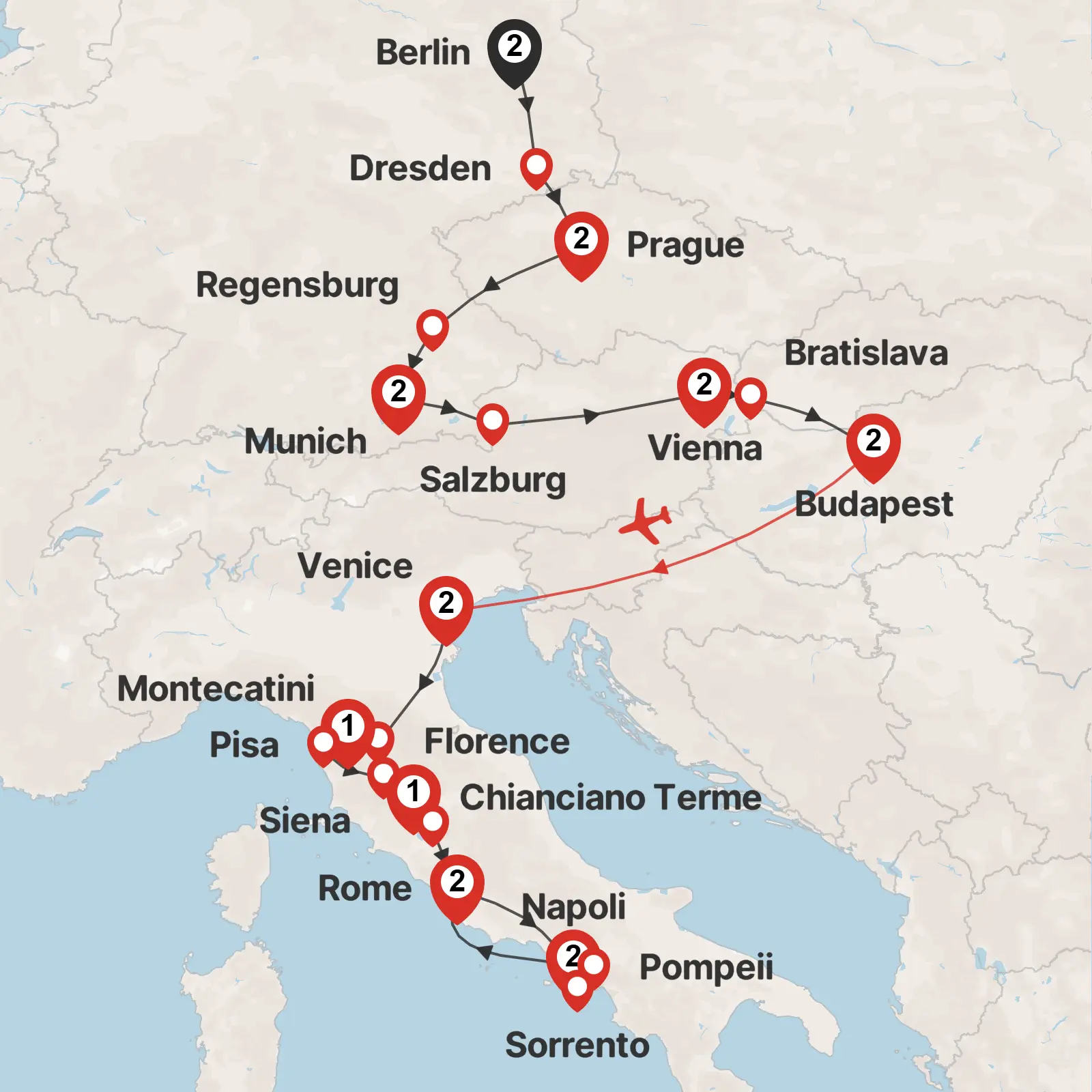
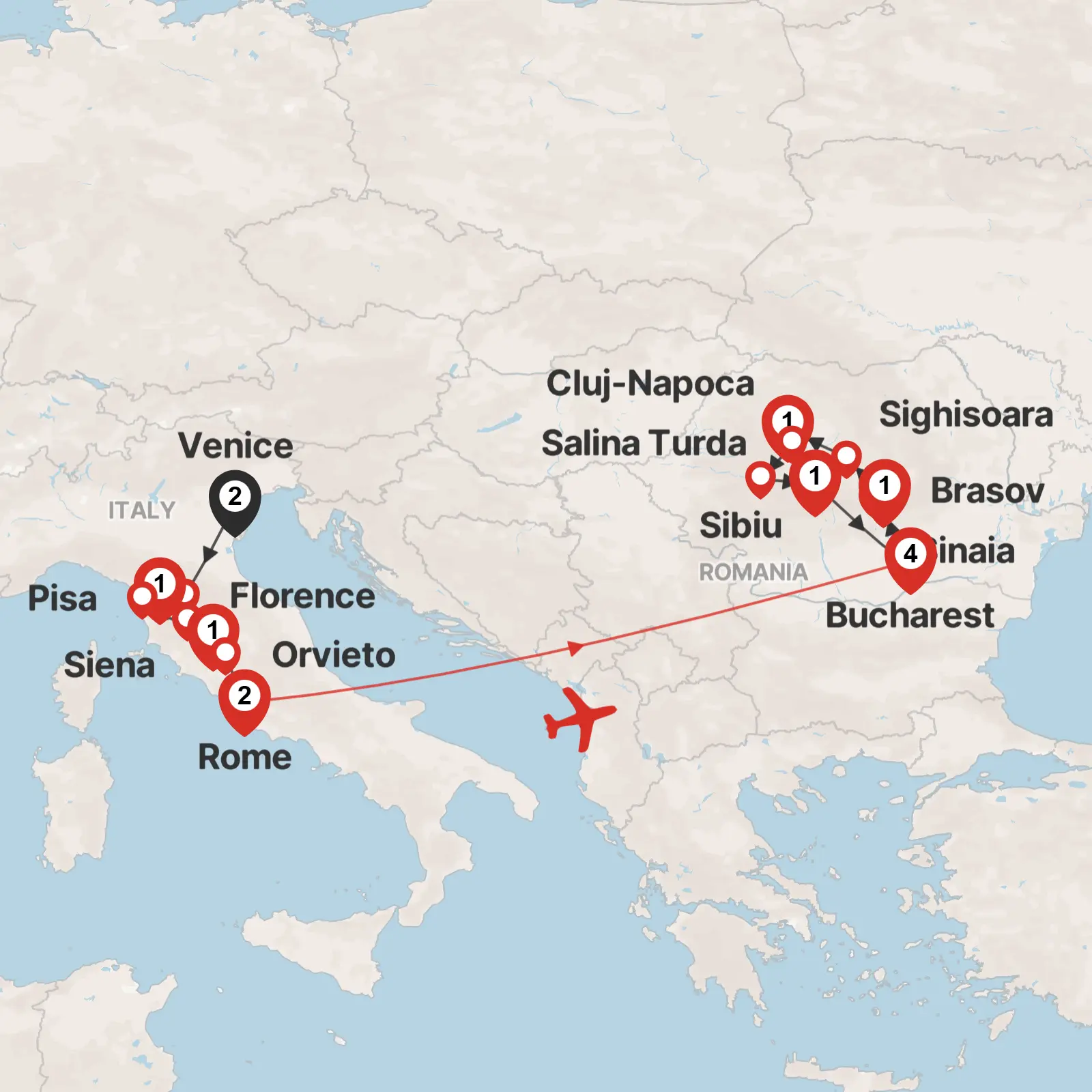
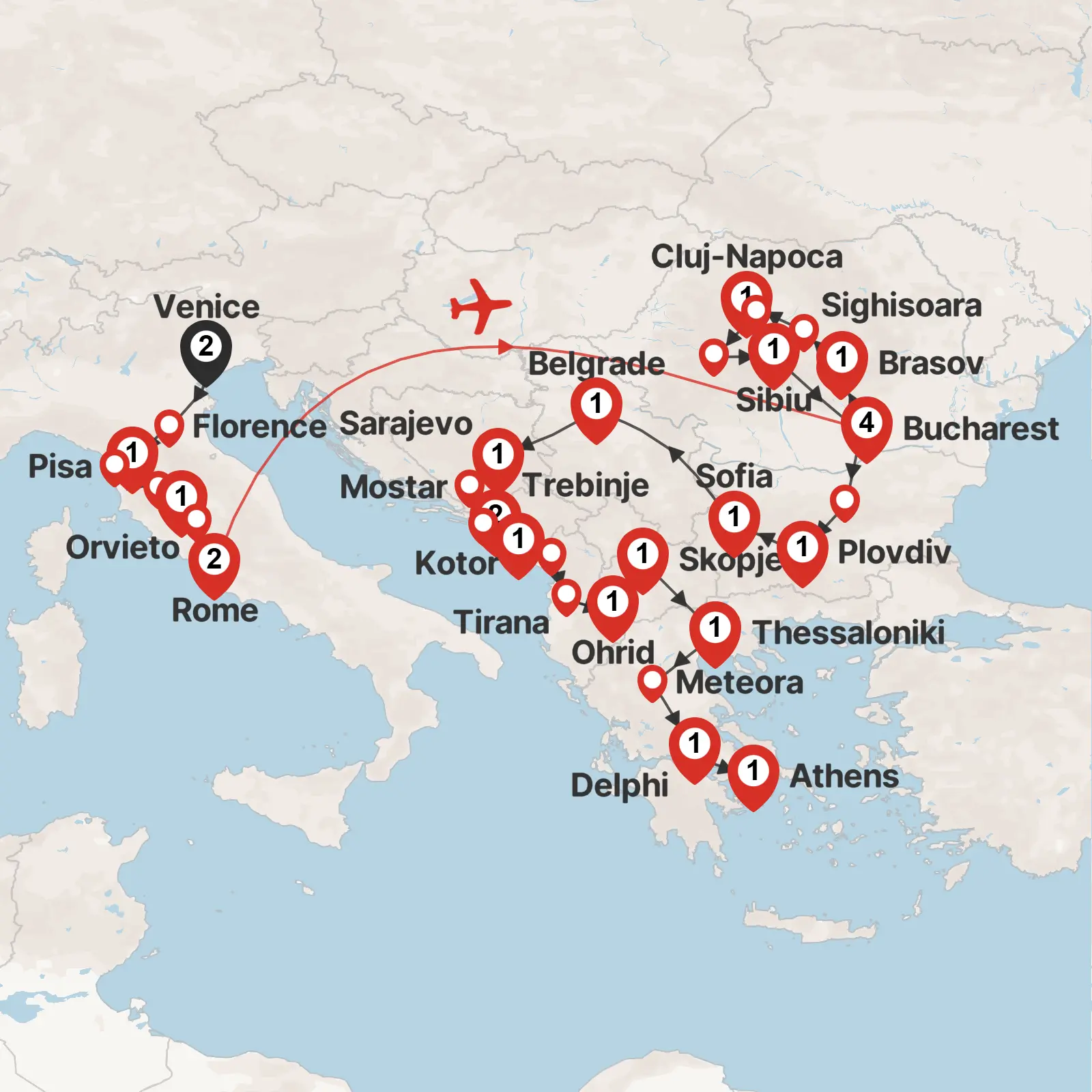
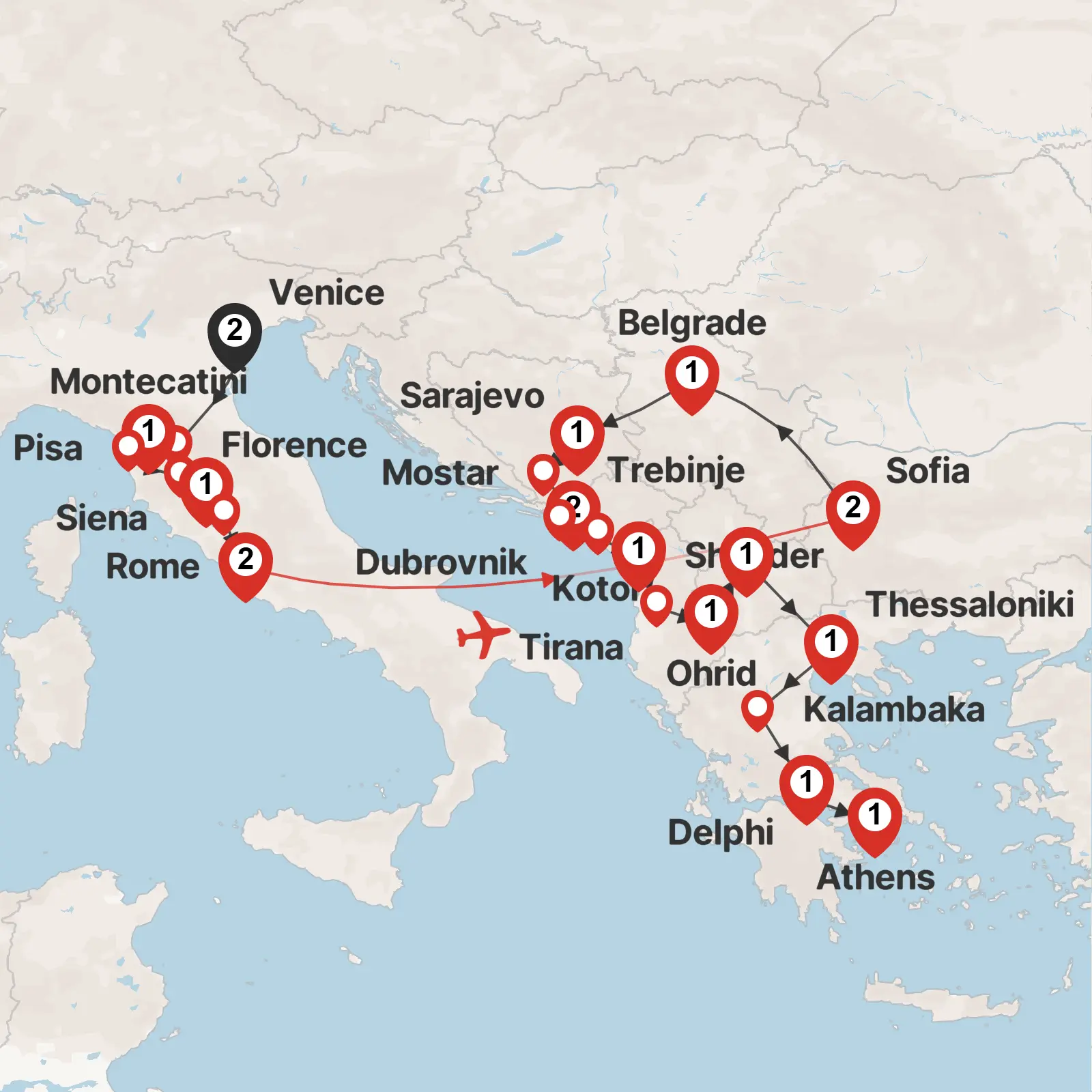
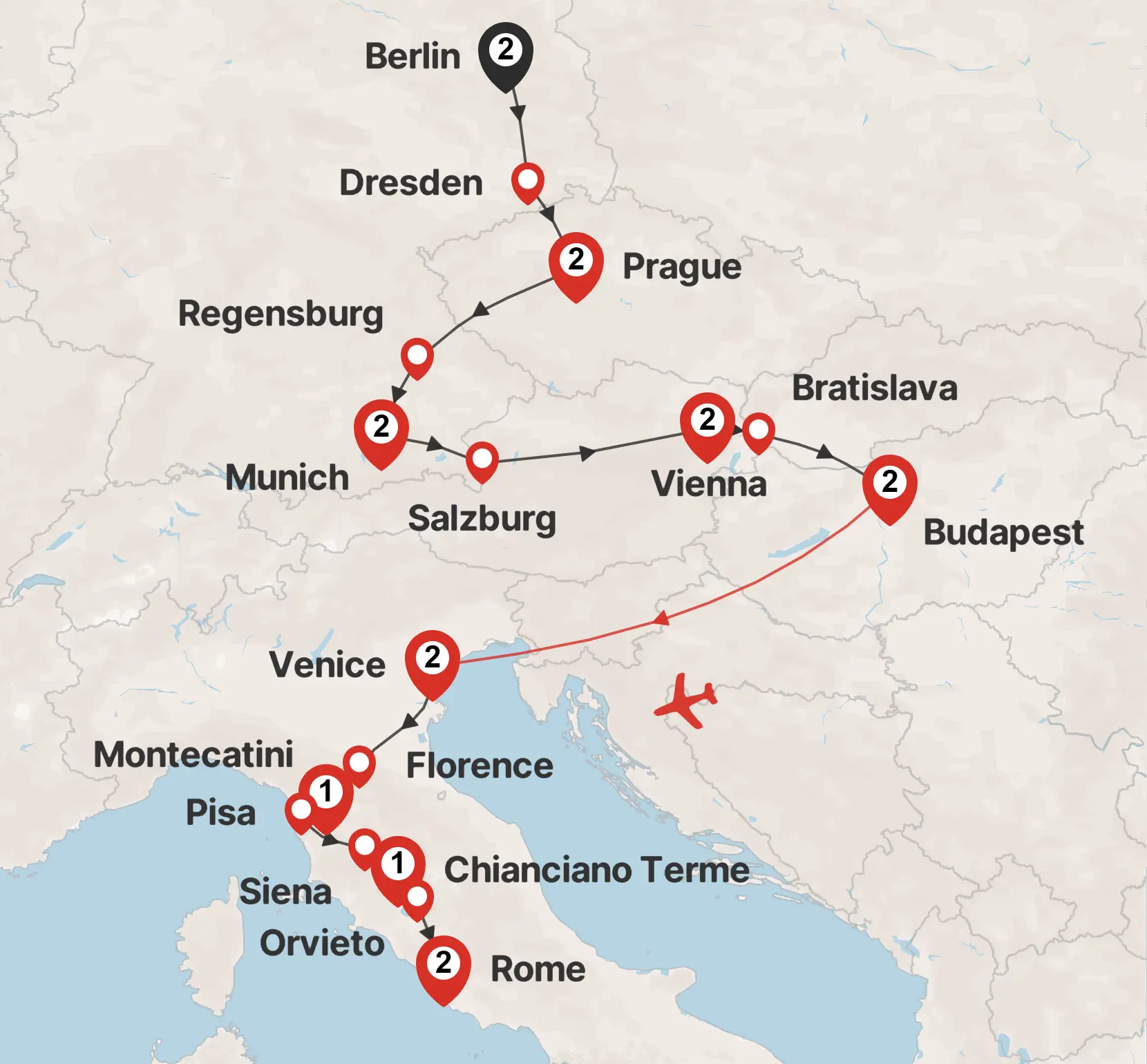
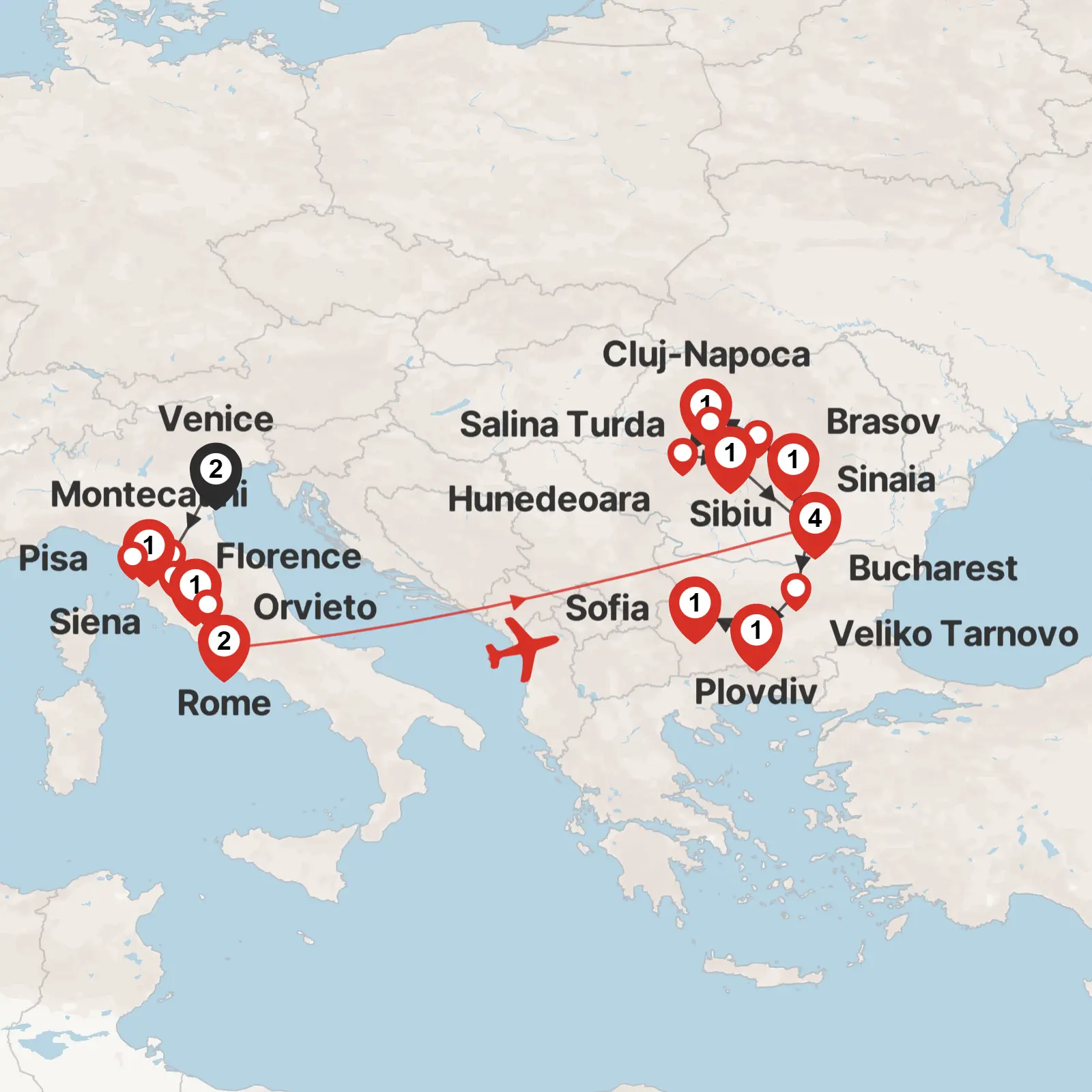
26 Days | 38 Locations | 10 Country