Best Places to Visit in Italy
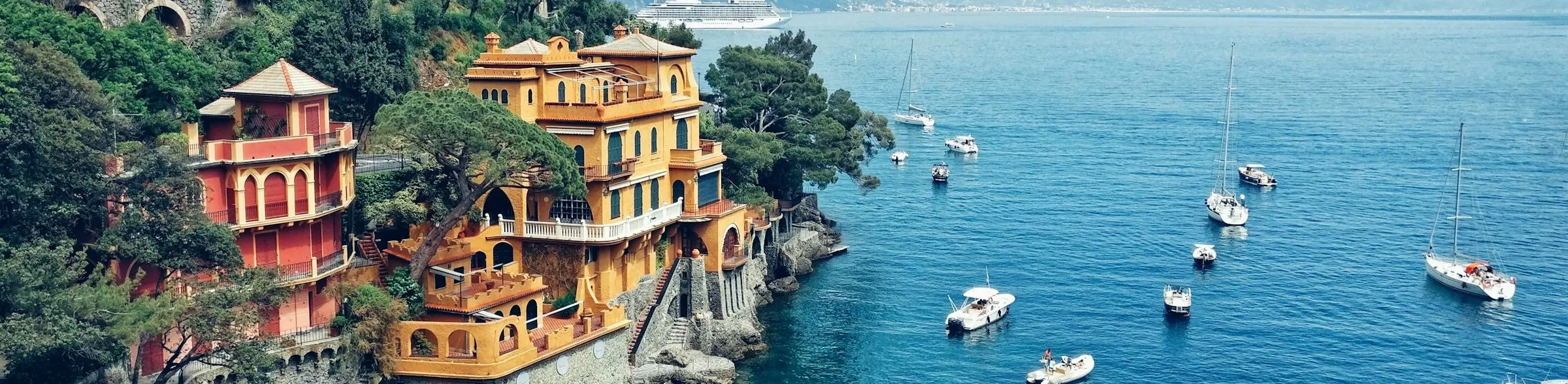
From ancient Roman ruins and Renaissance masterpieces to medieval towns and historic coastlines, Italy offers an extraordinary journey through centuries of European history.
Discover Italy’s Iconic Destinations
Italy’s most famous destinations bring together some of Europe’s greatest landmarks, artistic treasures, and historic settings. Rome is a natural starting point, where the Colosseum, Roman Forum, and Vatican City reveal layers of history spanning thousands of years. Florence offers a completely different experience, centred around Renaissance masterpieces, elegant piazzas, and architectural landmarks such as the Duomo. In Venice, canals and ornate palaces define the city, while Naples provides a lively gateway to southern Italy, with its historic streets, distinctive cuisine, and proximity to Pompeii.
There is much more to these destinations than their headline attractions. Wander through Rome’s neighbourhoods, pause in a Florence piazza, take a vaporetto through Venice, or enjoy an authentic Neapolitan pizza in Naples. Each city has its own pace and personality, giving travellers plenty of ways to experience Italy beyond the major sights.
Experience Italy’s Regional Diversity
Italy changes character as you travel from one region to another. Tuscany is defined by rolling hills, vineyards, medieval towns, and celebrated cuisine, while the northern lakes combine elegant lakeside towns with dramatic mountain scenery. Further south, the Amalfi Coast is known for its spectacular coastline, colourful villages, and Mediterranean atmosphere, while Sicily offers ancient ruins, distinctive architecture, and culinary traditions shaped by centuries of different cultures.
This regional variety is especially evident at the table. Try fresh pasta and Tuscan specialities in central Italy, seafood along the coast, risotto in the north, or the bold flavours of southern Italian cuisine. Local traditions, ingredients, and recipes change from place to place, making Italy a destination where every region offers something new to discover.
Follow Italy’s Artistic and Historic Legacy
Italy’s cultural heritage can be found in grand museums and cathedrals, but also in quiet historic streets, centuries-old squares, and everyday traditions. Florence showcases the extraordinary legacy of the Renaissance, Rome reveals the influence of the ancient world, and Venice brings together Gothic, Byzantine, and Renaissance architecture against its unique lagoon setting. Across the country, churches, galleries, archaeological sites, and historic centres provide countless opportunities to encounter Italy’s artistic past.
For a deeper connection with Italian culture, look beyond the famous masterpieces. Visit local markets, explore historic neighbourhoods, admire regional craftsmanship, or sit down for a meal built around traditional recipes. From the ruins of Pompeii and the medieval streets of Siena to the art-filled museums of Florence, Italy’s heritage is woven into the places people live, eat, work, and gather.
Must-See Sights in Italy
Here is everything you need to know about the best places to visit in Italy.
.jpg)
The Colosseum
The Colosseum is one of Rome’s most iconic landmarks and one of the most remarkable surviving monuments of Ancient Rome. Built nearly 2,000 years ago, this vast amphitheatre once hosted gladiatorial contests, public spectacles, and other events, offering a fascinating glimpse into the scale and spectacle of Roman life.
Why You Should Visit:
Step inside the Colosseum and discover one of the world’s most famous ancient landmarks, where extraordinary architecture and centuries of Roman history come together.
Don’t Miss:
-Explore the arena floor and underground areas, where gladiators, animals, and performers were once prepared for the spectacles above.
-Admire the massive amphitheatre structure, including its towering arches, seating levels, and remarkable engineering.
-Combine your visit with the Roman Forum and Palatine Hill, where temples, government buildings, and ancient ruins reveal more about life in Ancient Rome.
Keep in Mind:
-Set aside enough time to explore the surrounding archaeological area, as the Colosseum visit is closely connected with the Roman Forum and Palatine Hill.
-Expect security checks at the entrance and follow the site’s visitor rules regarding bags, photography, and restricted items.
Learn more»
Duomo
The Duomo of Florence, officially the Cathedral of Santa Maria del Fiore, is one of the city’s most iconic landmarks and a masterpiece of Renaissance architecture. Famous for Brunelleschi’s enormous dome, the cathedral dominates Florence’s skyline and showcases centuries of artistic and architectural achievement.
Why You Should Visit:
Admire Florence’s magnificent Duomo, where Renaissance architecture, remarkable artwork, and Brunelleschi’s pioneering dome create one of Italy’s most celebrated landmarks.
Don’t Miss:
-Admire Brunelleschi’s Dome, an extraordinary feat of engineering and one of the defining symbols of Florence.
-Step inside the Cathedral of Santa Maria del Fiore to see its vast interior, frescoes, stained-glass windows, and intricate architectural details.
-Explore Giotto’s Bell Tower and the Baptistery of St. John, which form part of the remarkable architectural complex surrounding the cathedral.
Keep in Mind:
-Appropriate dress is required inside the cathedral, with shoulders and knees covered.
-If you plan to climb the dome or bell tower, be prepared for a substantial number of steps and confined sections along the route.
Learn more»
Orvieto
Orvieto is a striking hilltop town in Umbria, perched dramatically on a volcanic plateau and surrounded by rolling countryside. Known for its medieval streets, remarkable cathedral, and fascinating underground tunnels, the town offers a memorable glimpse into Italy’s history, architecture, and regional traditions.
Why You Should Visit:
Discover Orvieto, where medieval charm, extraordinary architecture, and an atmospheric hilltop setting come together in one of Umbria’s most distinctive towns.
Don’t Miss:
-Admire Orvieto Cathedral, celebrated for its intricate Gothic façade, colourful mosaics, and impressive interior artwork.
-Wander through the historic centre, exploring narrow medieval streets, elegant squares, traditional shops, and local cafés.
-Discover Orvieto Underground, a fascinating network of tunnels and chambers carved into the volcanic rock beneath the town.
Keep in Mind:
-Orvieto’s historic centre includes steep streets and uneven surfaces, so comfortable footwear is useful for exploring.
-Allow extra time to enjoy the town beyond the main landmarks, particularly if you want to browse local shops or sample Umbrian specialities.

Pisa Leaning Tower
The Leaning Tower of Pisa is one of Italy’s most recognisable landmarks, famous for its distinctive tilt and elegant Romanesque architecture. Built as the freestanding bell tower of Pisa Cathedral, the tower has stood in the city’s Piazza dei Miracoli for centuries and remains an extraordinary example of medieval architecture and engineering.
Why You Should Visit:
See the Leaning Tower of Pisa, where remarkable architecture, centuries of history, and its unmistakable tilt create one of Italy’s most iconic sights.
Don’t Miss:
-Admire the Piazza dei Miracoli, home to the Leaning Tower, Pisa Cathedral, Baptistery, and monumental Camposanto.
-Look closely at the tower’s Romanesque details, including its rows of arches, columns, and distinctive white marble exterior.
-Capture the classic perspective photograph with the tower and explore the surrounding square for views from different angles.
Keep in Mind:
-The tower’s interior includes a steep staircase, so climbing to the upper levels requires a reasonable level of mobility.
-Entry to the tower is timed, and access is limited, so advance booking is recommended during busy periods.
-Plan some time to explore the other monuments in the Piazza dei Miracoli rather than visiting the tower alone.

Pompeii
Pompeii is one of the world’s most remarkable archaeological sites, offering an extraordinary glimpse into everyday life in the ancient Roman world. Buried by the eruption of Mount Vesuvius in AD 79, the city’s preserved streets, homes, temples, shops, and public buildings reveal fascinating details about how its inhabitants lived nearly 2,000 years ago.
Why You Should Visit:
Walk through Pompeii and discover an ancient Roman city frozen in time, where remarkably preserved ruins bring everyday life in the Roman world vividly into view.
Don’t Miss:
-Explore the Forum, the heart of ancient Pompeii, surrounded by important temples, public buildings, and civic spaces.
-Visit the ancient villas and houses, including the House of the Faun, to admire preserved mosaics, frescoes, courtyards, and Roman architecture.
-See the amphitheatre and theatres, which reveal how entertainment and public gatherings formed an important part of Pompeii’s social life.
Keep in Mind:
-The archaeological site includes uneven stone streets and exposed areas, so comfortable footwear and sun protection are useful.
-Check the current access arrangements before visiting, as some areas may have restricted or changing access for conservation and restoration work.

Sorrento
Sorrento is a picturesque town perched above the Bay of Naples, known for its dramatic coastal views, historic streets, and distinctive southern Italian character. With its charming old town, lemon-filled gardens, artisan shops, and waterfront setting, Sorrento makes a wonderful base for discovering the beauty of the Campania coast.
Why You Should Visit:
With its spectacular coastal views, historic centre, and unmistakable southern Italian charm, Sorrento offers an inviting introduction to the beauty and traditions of the Campania coast.
Don’t Miss:
-Wander through Sorrento’s historic centre, exploring narrow lanes, lively squares, local boutiques, and traditional artisan workshops.
-Enjoy the views from Villa Comunale, one of the town’s best vantage points overlooking the Bay of Naples and Mount Vesuvius.
-Taste Sorrento’s famous lemon specialities, from locally produced limoncello to lemon-based desserts and regional dishes.
Keep in Mind:
-Sorrento is built on steep terrain, with stairways and sloping streets connecting different parts of the town.
-The historic centre can become busy during the day, so exploring earlier or later can offer a more relaxed atmosphere.
-Sorrento is well connected to nearby destinations, making it easy to combine your visit with excursions to places such as Pompeii, Capri, or the Amalfi Coast.

Naples
Naples is a fascinating city on the Bay of Naples, known for its historic streets, remarkable churches, lively squares, and distinctive southern Italian character. With Mount Vesuvius rising nearby and ancient sites such as Pompeii within easy reach, Naples offers a compelling mix of history, culture, architecture, and renowned local cuisine.
Why You Should Visit:
Few Italian cities capture southern Italy’s energy and character quite like Naples, where centuries-old architecture, lively neighbourhoods, and celebrated culinary traditions come together against the backdrop of the Bay of Naples.
Don’t Miss:
-Explore the historic centre of Naples, a UNESCO World Heritage Site filled with narrow streets, historic churches, traditional shops, and lively piazzas.
-Visit Castel Nuovo, the imposing medieval fortress overlooking the waterfront and one of the city’s most recognisable landmarks.
-Try an authentic Neapolitan pizza, a local speciality that has become one of Italy’s most famous culinary traditions.
Keep in Mind:
-Naples has a lively and sometimes hectic atmosphere, particularly around the historic centre and busy main streets.
-The city is best explored with comfortable footwear, as many sightseeing routes involve walking over uneven pavements and historic streets.

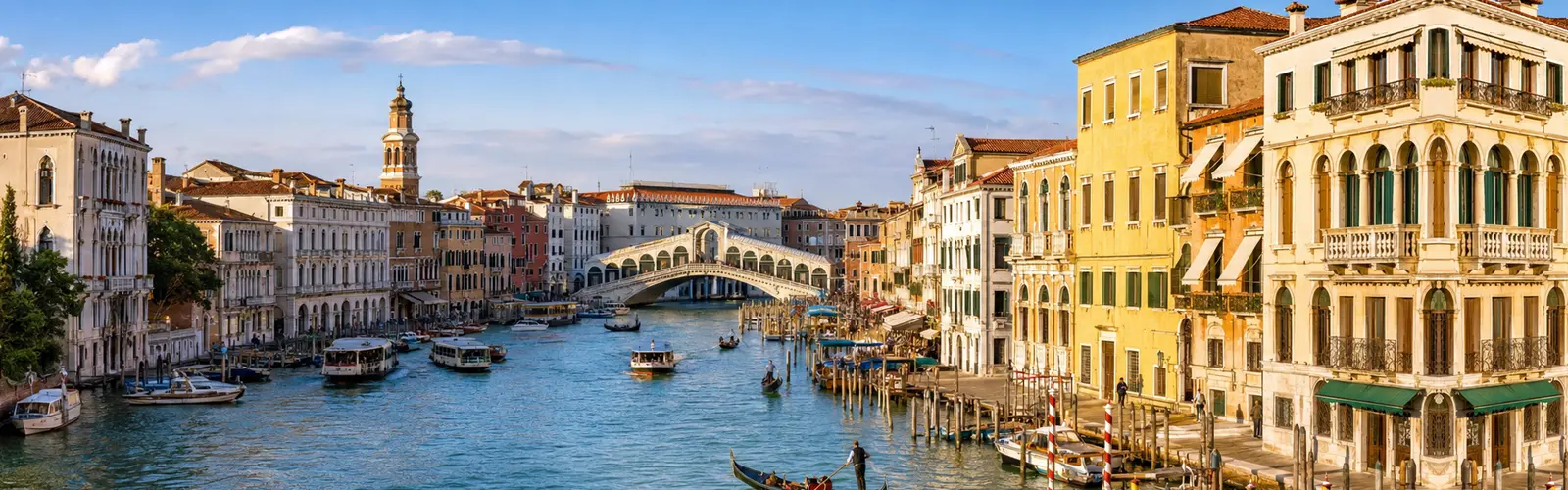
Venice
Venice is one of Italy’s most distinctive destinations, built across a network of islands in the Venetian Lagoon and connected by canals and historic bridges. Known for its magnificent palaces, grand squares, and centuries-old artistic heritage, the city offers an unforgettable setting where everyday life unfolds alongside some of Europe’s most celebrated landmarks.
Why You Should Visit:
Canals, elegant palaces, historic bridges, and atmospheric squares give Venice a character found nowhere else, creating a remarkable setting for experiencing Italy’s artistic and architectural heritage.
Don’t Miss:
-Visit St. Mark’s Square, the heart of Venice, and admire St. Mark’s Basilica, the Campanile, and the surrounding historic architecture.
-Explore the Doge’s Palace, a magnificent Gothic landmark that reveals the power and history of the former Venetian Republic.
-Take a gondola or vaporetto ride through Venice’s waterways for a different perspective of the city’s canals, bridges, and waterfront buildings.
Keep in Mind:
-Venice involves plenty of walking, with bridges, steps, and uneven surfaces throughout the historic centre.
-The city can become particularly busy around St. Mark’s Square and other major sights, so quieter neighbourhoods are worth exploring beyond the main routes.
-Check your accommodation location carefully, as Venice’s pedestrian streets and canals mean luggage transfers can require more planning than in a typical city.
Italy FAQ
Is Rome safe to visit?
How many days are enough to travel to Italy?
What are the best cities in Italy?
How long should I spend in Italy?
Ideally, allow 10–14 days for your first trip to Italy. This gives you enough time to combine major destinations such as Rome, Florence, Venice, and Tuscany while leaving room for sightseeing, meals, and travel between cities.
With two to three weeks, you can explore at a more relaxed pace and include additional destinations such as Naples, Sorrento, or the Amalfi Coast. If you have only a week, focus on two or three destinations to avoid spending too much of your trip travelling between places.
What is the best time of year to visit Italy?
The best time to visit Italy is generally April to May and September to October, when temperatures are comfortable for sightseeing, walking tours, and exploring the countryside. Spring brings blooming landscapes and lively cultural events, while early autumn offers pleasant weather, seasonal food and wine experiences, and fewer summer crowds in many destinations.
Summer is ideal for enjoying Italy’s beaches, lakes, and outdoor attractions, although southern regions and inland cities can be very hot. Winter offers a quieter atmosphere for exploring museums, historic landmarks, and festive city centres, while northern Italy’s mountain regions are popular for winter sports.
What are the top activities for families in Italy?
Italy offers plenty of family-friendly experiences, from exploring ancient landmarks and historic cities to enjoying scenic landscapes and delicious local food. Families can explore the Colosseum in Rome, discover Pompeii’s ancient ruins, take a gondola or vaporetto ride through Venice, and visit interactive museums and historic sites that bring Italy’s past to life.
What are the best food and drink experiences in Italy?
Italy’s food culture is deeply regional, making every destination an opportunity to discover different flavours and traditions. Some of the best experiences include trying authentic Neapolitan pizza in Naples, sampling fresh pasta in Bologna, enjoying gelato in Florence, and tasting regional wines in Tuscany.
Beyond individual dishes, make time for experiences that bring Italian cuisine to life. Join a local cooking class, visit a food market, enjoy an aperitivo in a lively piazza, or explore a traditional winery. From handmade pasta and artisanal cheeses to espresso, gelato, and regional wines, Italy offers countless ways to experience its culinary traditions.
What are the top museums to visit in Italy?
Italy is home to some of the world’s most celebrated museums, offering everything from Renaissance masterpieces and ancient artefacts to modern art and archaeological treasures. Highlights include the Vatican Museums in Rome, the Uffizi Gallery in Florence, the Galleria dell’Accademia in Florence, and the Museo Archeologico Nazionale in Naples.
How can I experience Italian traditions?
Related Tours
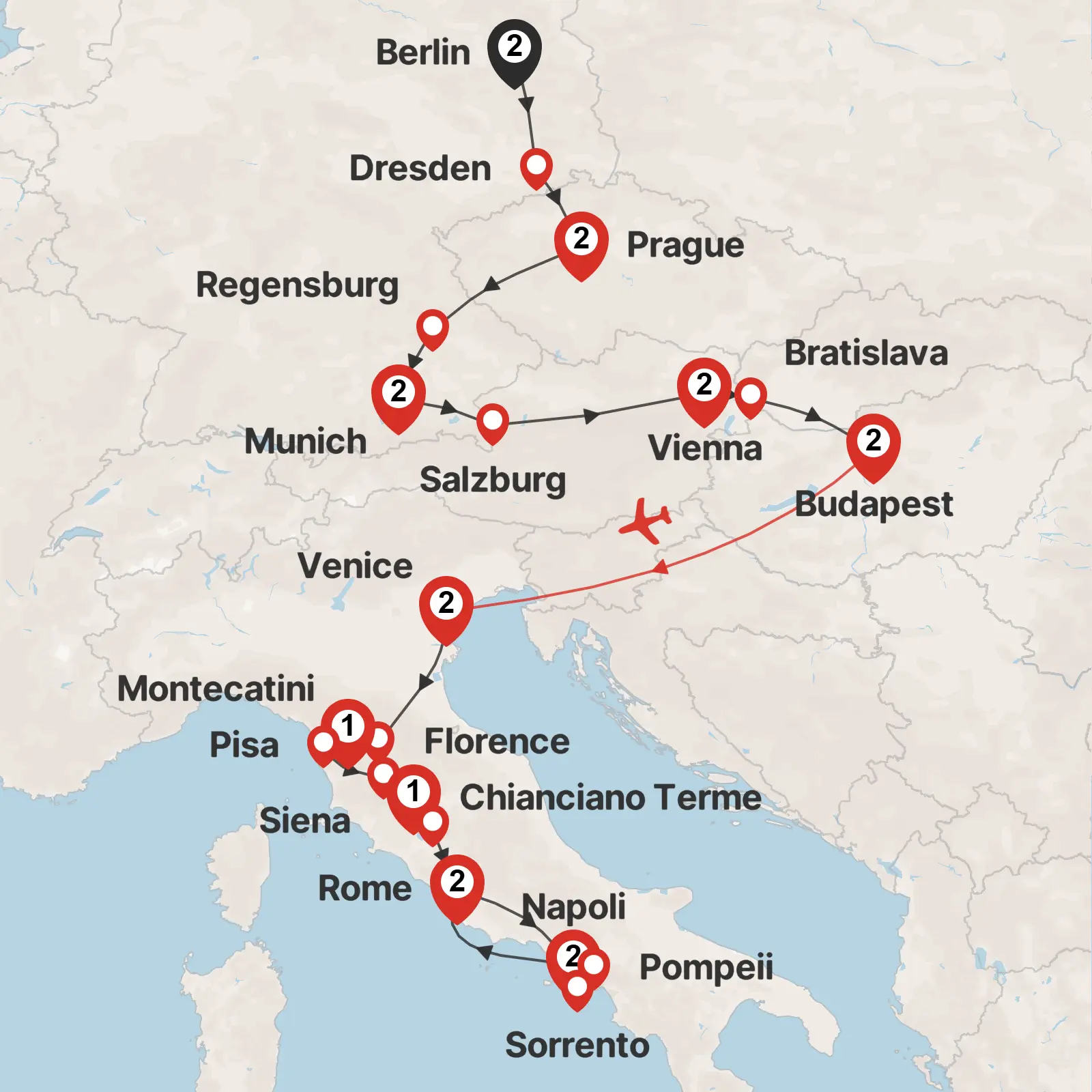


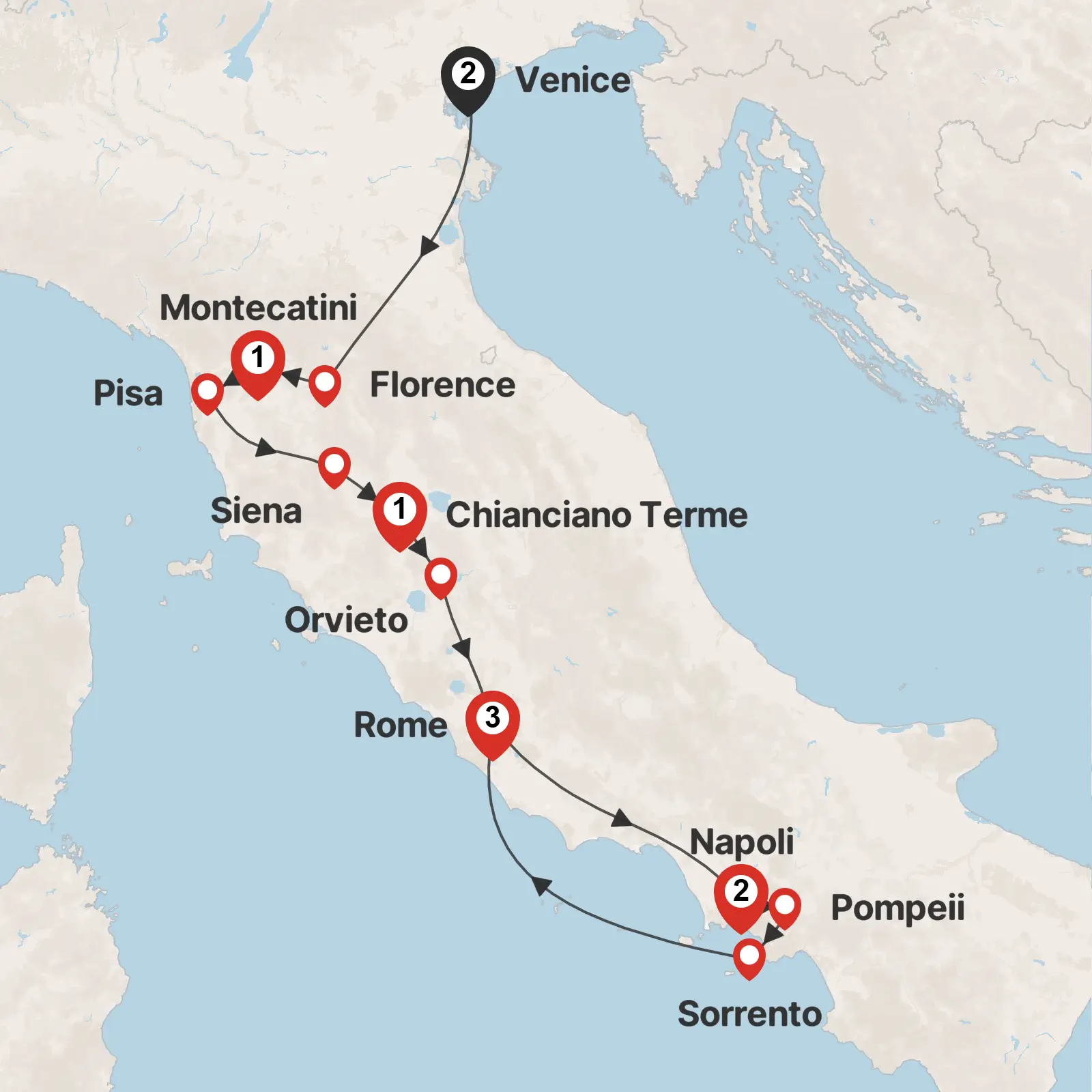
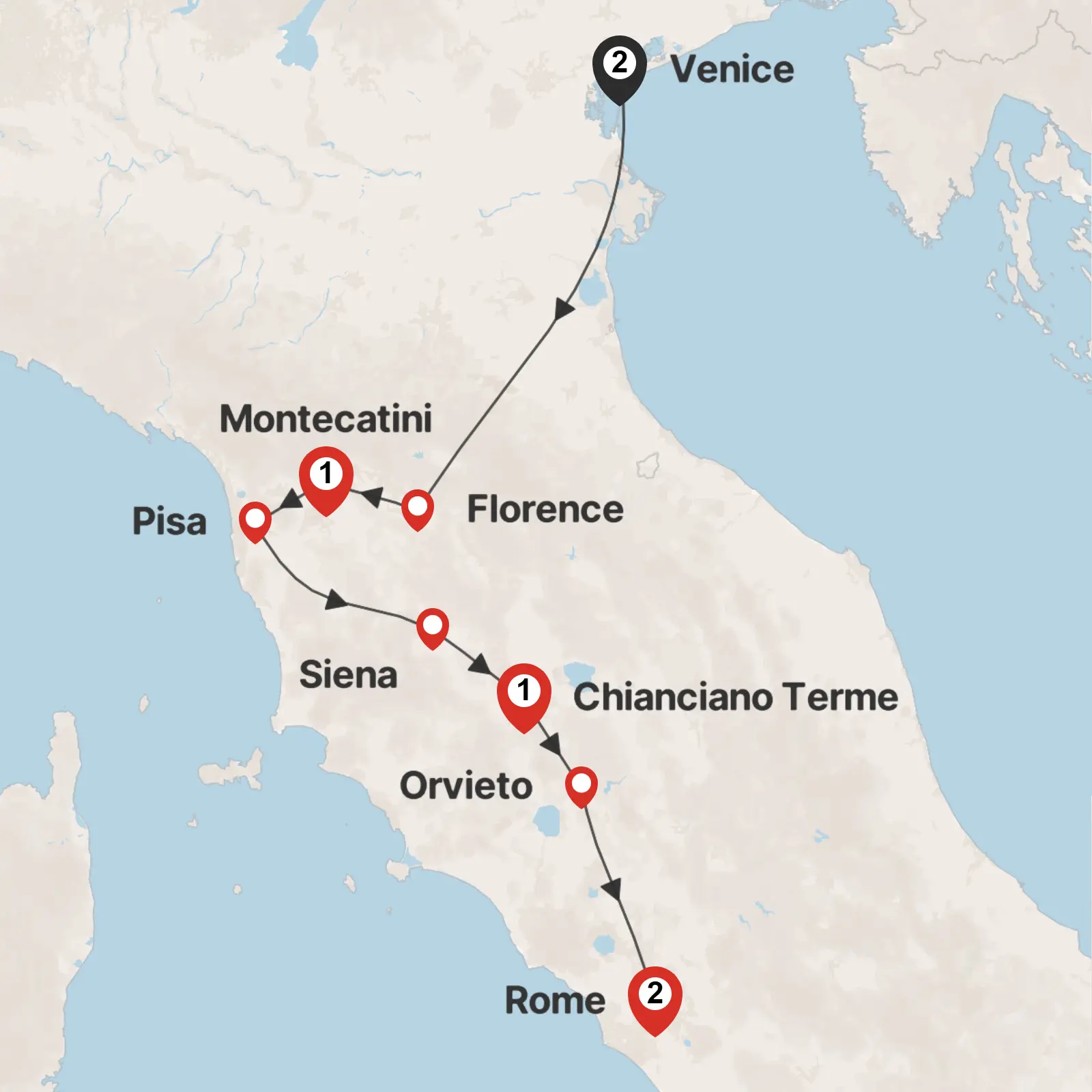
26 Days | 38 Locations | 10 Country