Best Places to Visit in Portugal
Portugal brings together sun-drenched coastlines, historic cities, scenic countryside, and time-honoured traditions, offering travellers an unforgettable taste of its unique character.
Discover Portugal’s Historic Cities
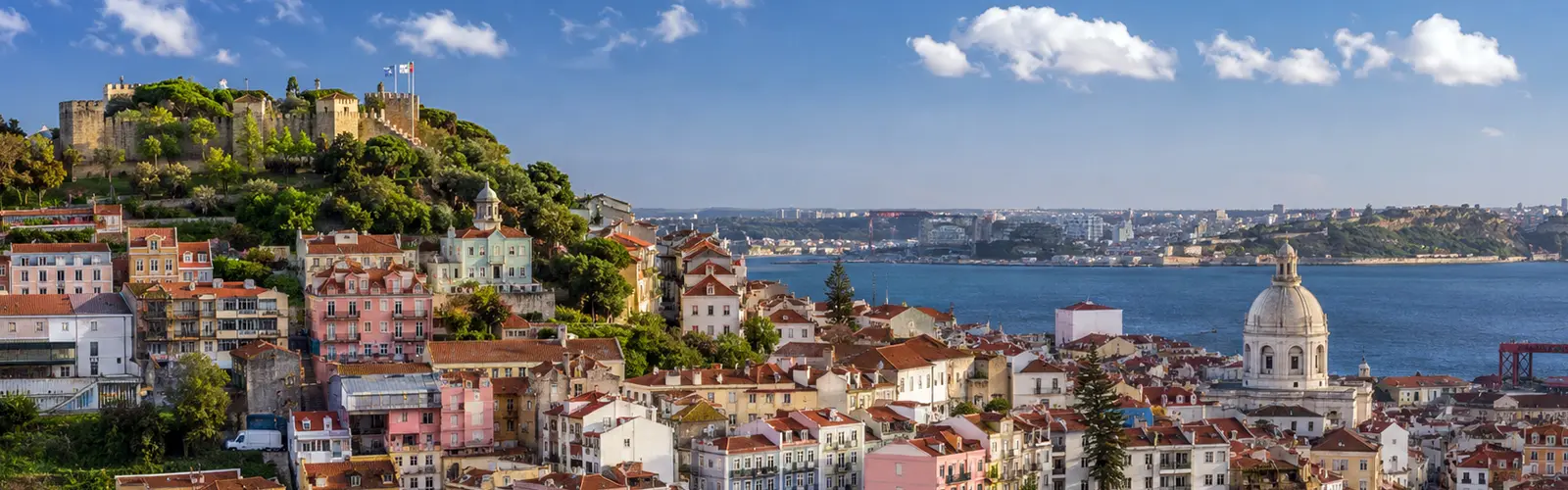
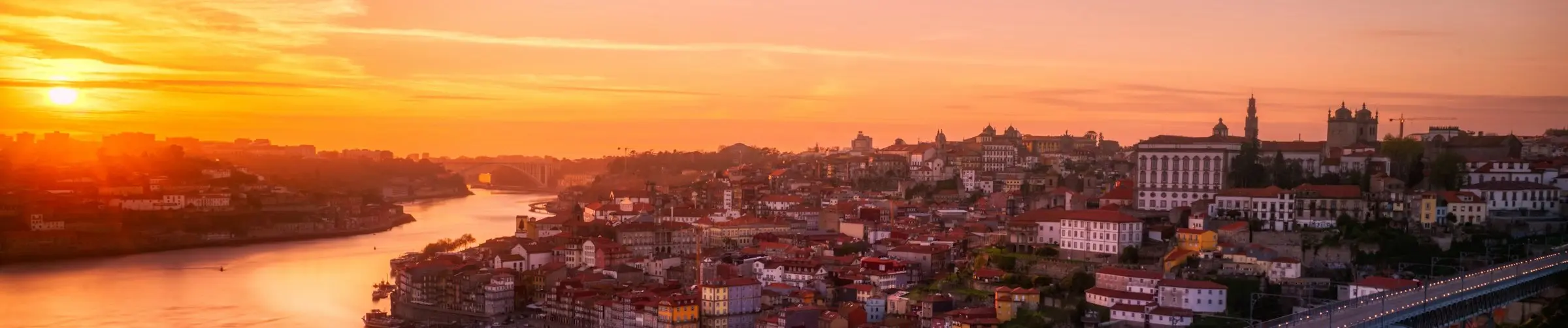
Portugal’s cities combine centuries of history with distinctive architecture, local traditions, and an easygoing atmosphere. Lisbon is a natural starting point, where colourful tiled buildings, historic neighbourhoods, grand squares, and viewpoints overlooking the Tagus River create a memorable cityscape. In Porto, steep streets lead down towards the Douro, with baroque churches, traditional houses, and the famous port wine cellars adding to the city’s character. Further south, Faro provides a gateway to the Algarve, while Évora offers a fascinating journey through Roman, medieval, and Portuguese history within its beautifully preserved historic centre.
The character of Portugal’s cities extends well beyond their headline sights. Ride one of Lisbon’s historic trams, wander through Porto’s riverside Ribeira district, sample regional dishes in a traditional restaurant, or pause at a local café to watch everyday life unfold. Whether your interests lie in architecture, history, food, or local culture, Portugal’s cities offer plenty of opportunities to discover the country at your own pace.
Experience the Diversity of Portugal’s Regions
Portugal may be compact, but its regions offer remarkably different landscapes, traditions, and ways of life. The Algarve is known for golden beaches, dramatic cliffs, and relaxed coastal towns, while the Alentejo unfolds through rolling plains, whitewashed villages, cork forests, and historic hilltop towns. Further north, the Douro Valley is defined by steep vineyard-covered slopes and the winding river, while the northern cities and countryside reflect Portugal’s deep architectural and cultural heritage.
Regional cuisine provides another way to experience these differences. Enjoy fresh seafood in the Algarve, hearty Alentejan dishes, port wine from the Douro Valley, or traditional northern specialities as you travel. From coastal fishing communities to vineyard estates and rural markets, each region offers its own flavours and traditions, making a journey through Portugal a chance to experience several distinct sides of the country.
Portugal's Cultural Tapestry
Portugal’s culture is woven into its historic streets, traditional music, colourful architecture, and everyday rituals. Lisbon brings together centuries of maritime history, tiled façades, grand monuments, and the soulful sounds of fado. In Porto, historic churches, riverside neighbourhoods, and centuries-old wine traditions reveal the character of northern Portugal, while Coimbra offers a glimpse into the country’s academic and cultural heritage through its historic university and old town.
Some of Portugal’s most memorable cultural moments happen away from the major monuments. Listen to fado in an intimate Lisbon venue, admire the intricate azulejos that decorate churches and buildings, browse a traditional market, or visit a local wine estate in the Douro Valley. Wander through the medieval streets of Évora, admire Portugal’s historic monasteries and castles, or enjoy a leisurely meal featuring regional specialities. These experiences bring together the art, traditions, music, and daily customs that continue to shape Portuguese life.
Must-See Sights in Portugal
Here is everything you need to know about the best places to visit in Portugal.
.jpg)
Jerónimos Monastery
Jerónimos Monastery is one of Lisbon’s most remarkable historic landmarks, celebrated for its elaborate Manueline architecture, grand cloisters, and connection to Portugal’s Age of Discoveries. Built in the early 16th century, the monastery stands in the Belém district and reflects the wealth and maritime ambitions of Portugal during this important period of its history.
Why You Should Visit:
Admire Jerónimos Monastery, where intricate stonework, grand architecture, and Portugal’s maritime heritage come together in one of Lisbon’s most impressive historic sites.
Don’t Miss:
-Admire the monastery’s elaborate Manueline façade, decorated with carved nautical motifs, religious symbols, and intricate stone details.
-Wander through the two-storey cloister, renowned for its elegant arches, delicate carvings, and peaceful atmosphere.
-Visit the monastery church, where the tombs of Vasco da Gama and Luís de Camões can be found among its impressive architectural details.
Keep in Mind:
-Jerónimos Monastery is one of Lisbon’s most popular attractions, so visiting earlier in the day can help you avoid the busiest periods.
-Plan time to explore Belém, as the monastery is close to other major sights including Belém Tower and the Monument to the Discoveries.
-Dress respectfully when visiting the monastery church, as it remains an important religious site.
Learn more»
Alfama Neighborhood
Alfama is Lisbon’s oldest neighbourhood, known for its winding lanes, steep stairways, colourful buildings, and traditional character. Built across the hills beneath São Jorge Castle, the district offers a glimpse into Lisbon’s historic roots, with small squares, tiled façades, local cafés, and the sounds of fado creating an atmospheric setting for exploring the city on foot.
Why You Should Visit:
A walk through Alfama reveals Lisbon’s historic character at every turn, from narrow lanes and traditional houses to scenic viewpoints overlooking the Tagus River.
Don’t Miss:
-Wander through the neighbourhood’s maze of narrow streets and stairways, discovering quiet corners, small squares, traditional shops, and local cafés.
-Visit the Lisbon Cathedral, one of the city’s oldest churches, and admire its imposing Romanesque architecture and historic interior.
-Stop at Miradouro de Santa Luzia and Miradouro das Portas do Sol for beautiful views across Alfama’s rooftops and the Tagus River.
Keep in Mind:
-Alfama is built on steep hills, so expect plenty of stairs, slopes, and uneven cobblestone streets while exploring.
-The neighbourhood is particularly atmospheric in the evening, when traditional fado venues begin to fill and the streets take on a quieter character.
-Take your time rather than following a fixed route, as some of Alfama’s most charming spots are found away from the main streets.
Learn more»
Belém District
Belém is one of Lisbon’s most historic riverside districts, closely associated with Portugal’s Age of Discoveries and its maritime heritage. Located along the Tagus River, the area brings together grand monuments, museums, gardens, and traditional cafés, making it an easy place to combine sightseeing with a relaxed afternoon by the waterfront.
Why You Should Visit:
Belém brings together landmark architecture, maritime history, riverside scenery, and classic Portuguese flavours in one of Lisbon’s most rewarding areas to explore.
Don’t Miss:
-Visit the Jerónimos Monastery, a magnificent Manueline landmark and one of Portugal’s most important historic monuments.
-Admire Belém Tower, the distinctive 16th-century riverside fortress built during Portugal’s Age of Discoveries.
-Stop at the famous Pastéis de Belém bakery to try the traditional custard tart associated with this part of Lisbon.
Keep in Mind:
-Belém’s main attractions are spread along the waterfront, so allow plenty of time for walking between the monuments, museums, and gardens.
-The district is popular with visitors, particularly around Jerónimos Monastery and Belém Tower, so arriving earlier can make sightseeing more comfortable.

Ribeira
Ribeira is Porto’s historic riverside district, known for its colourful buildings, narrow streets, lively squares, and views across the Douro River. At the heart of the city’s UNESCO-listed historic centre, the neighbourhood combines centuries-old architecture with cafés, restaurants, and waterfront terraces, creating one of Porto’s most atmospheric areas for a leisurely stroll.
Why You Should Visit:
With its colourful waterfront, historic architecture, and lively riverside atmosphere, Ribeira offers a memorable introduction to Porto’s character and heritage.
Don’t Miss:
-Wander through Ribeira Square and the surrounding narrow streets, where traditional houses, small cafés, and historic buildings create the district’s distinctive character.
-Walk along the Douro River waterfront for views of Porto’s historic skyline and the iconic Dom Luís I Bridge.
-Take a river cruise or cross the bridge to Vila Nova de Gaia for panoramic views back towards Ribeira and Porto’s historic centre.
Keep in Mind:
-Ribeira’s historic streets can be steep and uneven, so comfortable footwear is useful when exploring the neighbourhood on foot.
-The waterfront becomes particularly lively in the late afternoon and evening, with restaurants and terraces filling up as the day goes on.
-Ribeira is a good starting point for exploring central Porto, but allow extra time for the hills and steps connecting the riverfront with the upper parts of the city.

São Bento Train Station
São Bento Train Station is one of Porto’s most distinctive landmarks, celebrated for its grand Beaux-Arts architecture and spectacular interior decorated with traditional Portuguese azulejos. Opened in the early 20th century, the station stands in the heart of the city and remains an active transport hub as well as an important cultural attraction.
Why You Should Visit:
Step inside São Bento Station to admire one of Portugal’s most impressive collections of decorative azulejos, depicting scenes from the country’s history and traditional life.
Don’t Miss:
-Admire the main entrance hall, where thousands of blue-and-white azulejos create an extraordinary series of historic scenes and decorative panels.
-Look closely at the azulejo murals, which depict important moments from Portuguese history as well as rural traditions and everyday life.
-Explore the station’s historic exterior and central location, making it easy to combine a visit with Porto Cathedral, Ribeira, and other sights in the city centre.
Keep in Mind:
-São Bento is still an operating railway station, so the main hall can become busy with commuters and travellers throughout the day.
-Take a few minutes to study the tile panels closely, as many of the historical scenes contain intricate details that are easy to miss at first glance.

Dom Luís I Bridge
The Dom Luís I Bridge is one of Porto’s most recognisable landmarks, spanning the Douro River between Porto and Vila Nova de Gaia. Completed in the late 19th century, the striking double-deck iron bridge is closely associated with the city’s skyline and offers impressive views of the historic waterfront, river, and surrounding neighbourhoods.
Why You Should Visit:
Crossing the Dom Luís I Bridge provides spectacular views of Porto and the Douro, while showcasing one of the city’s most distinctive examples of 19th-century engineering.
Don’t Miss:
-Walk across the upper deck for sweeping views of Porto’s historic centre, Ribeira, Vila Nova de Gaia, and the Douro River.
-Explore the lower level, which connects the riverside areas and provides a closer perspective of the bridge’s impressive iron structure.
-Visit Vila Nova de Gaia on the opposite bank, where traditional Port wine cellars, riverside promenades, and viewpoints offer another perspective of Porto.
Keep in Mind:
-The bridge is an important transport route, so take care around vehicles, pedestrians, and the metro when using the different crossing levels.
-The upper deck can be exposed to wind, particularly near the centre of the bridge, so bring an extra layer if needed.

Lisbon
Lisbon is Portugal’s atmospheric capital, known for its historic neighbourhoods, colourful tiled buildings, grand squares, and viewpoints overlooking the Tagus River. From the winding streets of Alfama to the elegant avenues of Baixa and the riverside monuments of Belém, the city combines centuries of history with distinctive Portuguese traditions, food, and culture.
Why You Should Visit:
Lisbon brings together historic architecture, scenic viewpoints, traditional neighbourhoods, and Portuguese culture, offering plenty of ways to experience the character of the capital.
Don’t Miss:
-Wander through Alfama, Lisbon’s oldest neighbourhood, with its narrow lanes, historic houses, traditional cafés, and fado venues.
-Visit Belém to see landmarks including Jerónimos Monastery and Belém Tower, and try a traditional pastéis de nata.
-Ride one of Lisbon’s historic trams and stop at viewpoints such as Miradouro da Senhora do Monte for panoramic views across the city and Tagus River.
Keep in Mind:
-Lisbon is built across several hills, so expect steep streets, stairways, and uneven pavements in many historic neighbourhoods.
-The city’s most popular attractions can become busy, particularly during peak travel periods, so booking major sights in advance can be useful.

Porto
Porto is a historic city in northern Portugal, celebrated for its dramatic riverside setting, colourful buildings, baroque churches, and long association with Port wine. Built along the Douro River, the city combines a UNESCO-listed historic centre with lively neighbourhoods, traditional markets, and scenic viewpoints, offering a distinctive northern Portuguese character.
Why You Should Visit:
Porto’s historic streets, riverside scenery, impressive bridges, and wine traditions create a memorable setting for discovering northern Portugal.
Don’t Miss:
-Wander through Ribeira, Porto’s atmospheric riverside district, with its colourful façades, narrow lanes, restaurants, and views across the Douro.
-Visit São Bento Train Station to admire its spectacular collection of traditional blue-and-white azulejos depicting scenes from Portuguese history.
-Cross the Dom Luís I Bridge and visit the Port wine cellars of Vila Nova de Gaia, where you can enjoy tastings and views back towards Porto’s historic waterfront.
Keep in Mind:
-Porto has plenty of steep streets and steps, particularly between the riverside and upper parts of the historic centre, so comfortable footwear is useful.
-The city is easy to explore on foot, but allow extra time for hills and viewpoints when planning your sightseeing route.
Portugal FAQ
Is Lisbon safe to visit?
How many days are enough to travel to Portugal?
What are the best cities in Portugal?
How long should I spend in Lisbon?
Allow 3–4 days to experience Lisbon’s main highlights at a comfortable pace. This gives you time to visit historic neighbourhoods such as Alfama and Baixa, admire landmarks including Belém Tower and Jerónimos Monastery, ride one of the city’s famous trams, and enjoy Lisbon’s food and fado traditions.
If you have 5 days or more, you can explore the city more slowly and add day trips to destinations such as Sintra and Cascais. With less time, two full days can cover the main sights, although you will need to keep your itinerary focused.
What is the best time of year to visit Portugal?
The best time to visit Portugal is generally April to June and September to October, when mild to warm temperatures make it comfortable for sightseeing, exploring historic cities, and enjoying the coast. Spring brings blooming landscapes and pleasant conditions, while early autumn offers warm days, fewer peak-season pressures, and ideal conditions for outdoor activities.
July and August are the hottest and busiest months, making them particularly popular for beach holidays along the Algarve, although temperatures can be high in inland areas. Winter is generally milder, especially in southern Portugal, and can be a good time for quieter city breaks and cultural sightseeing.
What are the top activities for families in Portugal?
Portugal offers plenty of family-friendly experiences, combining outdoor adventures, historic attractions, and activities that appeal to different ages. Families can ride Lisbon’s historic trams, explore castles and palaces in Sintra, visit Porto’s riverside district, and spend time on the beaches of the Algarve.
For something more hands-on, try a traditional Portuguese cooking class, visit a local food market, take a boat trip along the Douro River, or explore Portugal’s fascinating maritime heritage. Younger travellers can also enjoy wildlife and nature experiences, while older children may appreciate surfing lessons, cycling routes, and scenic hikes along the coast.
What are the best food and drink experiences in Portugal?
Portugal’s culinary traditions reflect its Atlantic setting, regional ingredients, and long-standing food culture. Sample fresh seafood along the coast, savour traditional dishes such as bacalhau and caldo verde, and enjoy pastéis de nata with a coffee at a local café.
Wine lovers can taste Port wine in Porto, visit vineyards in the Douro Valley, and sample distinctive wines from different regions. Food markets, cooking classes, and relaxed meals featuring petiscos and regional specialities also offer enjoyable ways to experience Portugal’s cuisine beyond the main tourist sights.
What are the top museums to visit in Portugal?
Portugal has a diverse range of museums covering art, history, archaeology, and maritime heritage. In Lisbon, visit the Calouste Gulbenkian Museum for its impressive international art collection, the National Museum of Ancient Art for European and Portuguese masterpieces, or the National Tile Museum to learn more about Portugal’s distinctive azulejo tradition.
How can I experience Portuguese traditions?
Related Tours
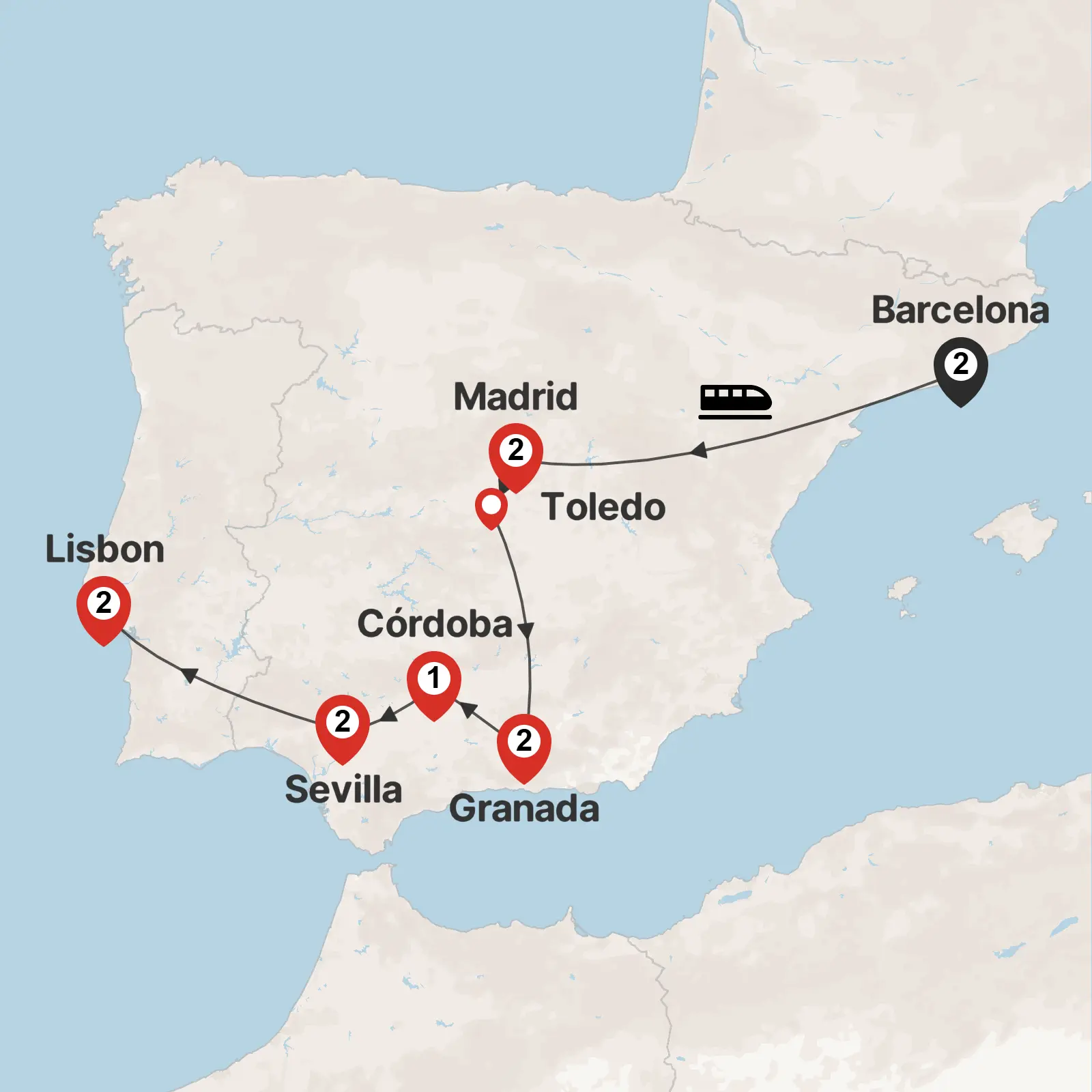


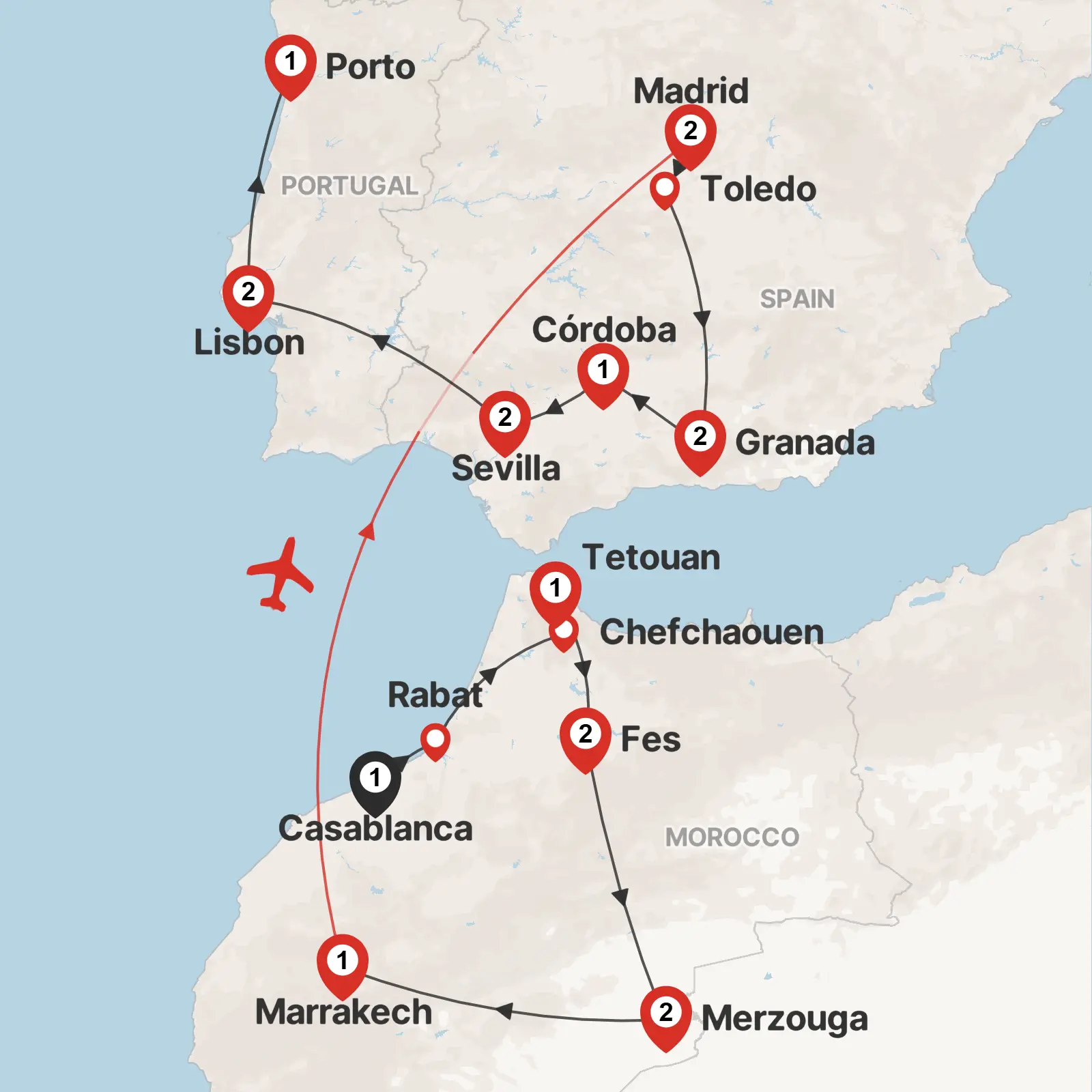
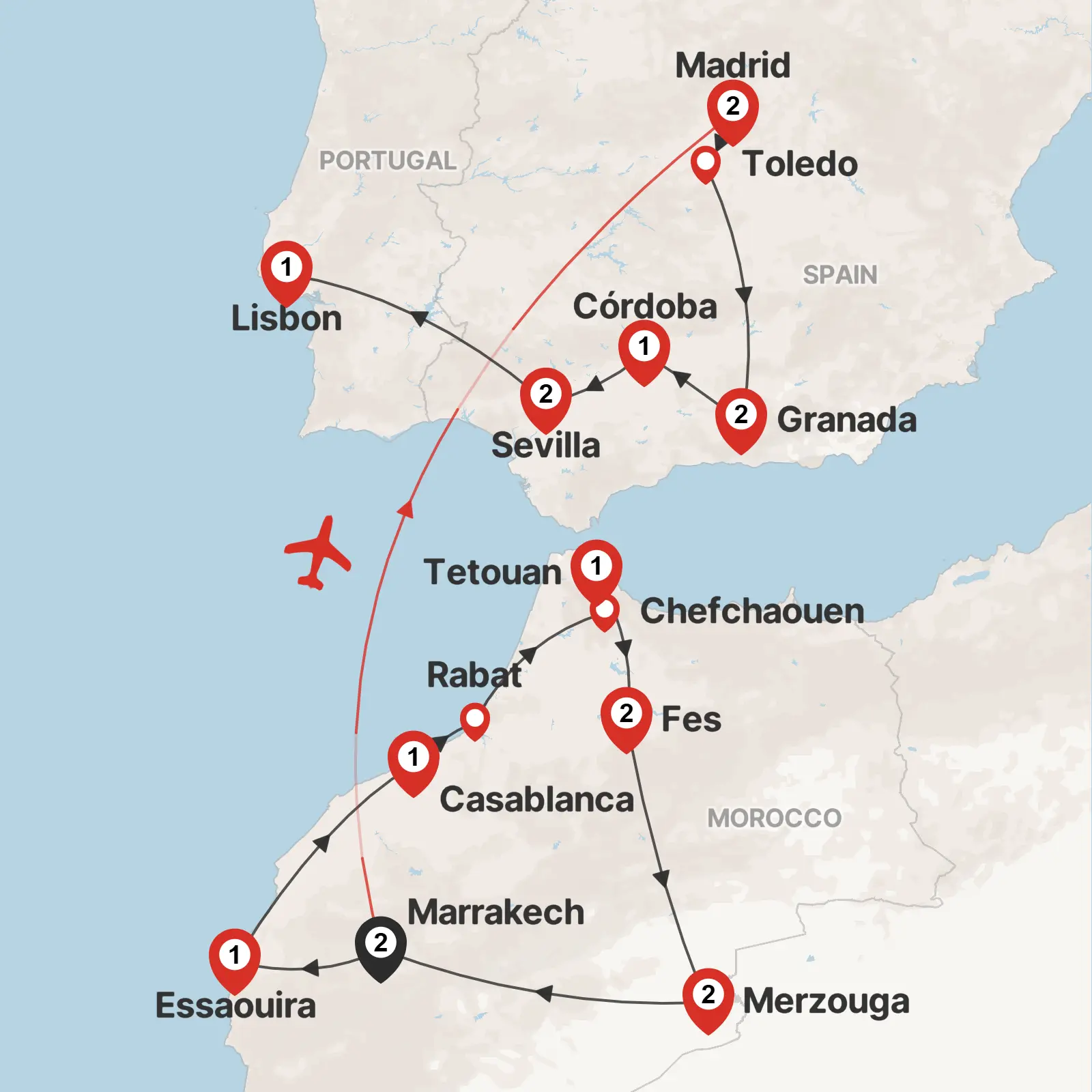
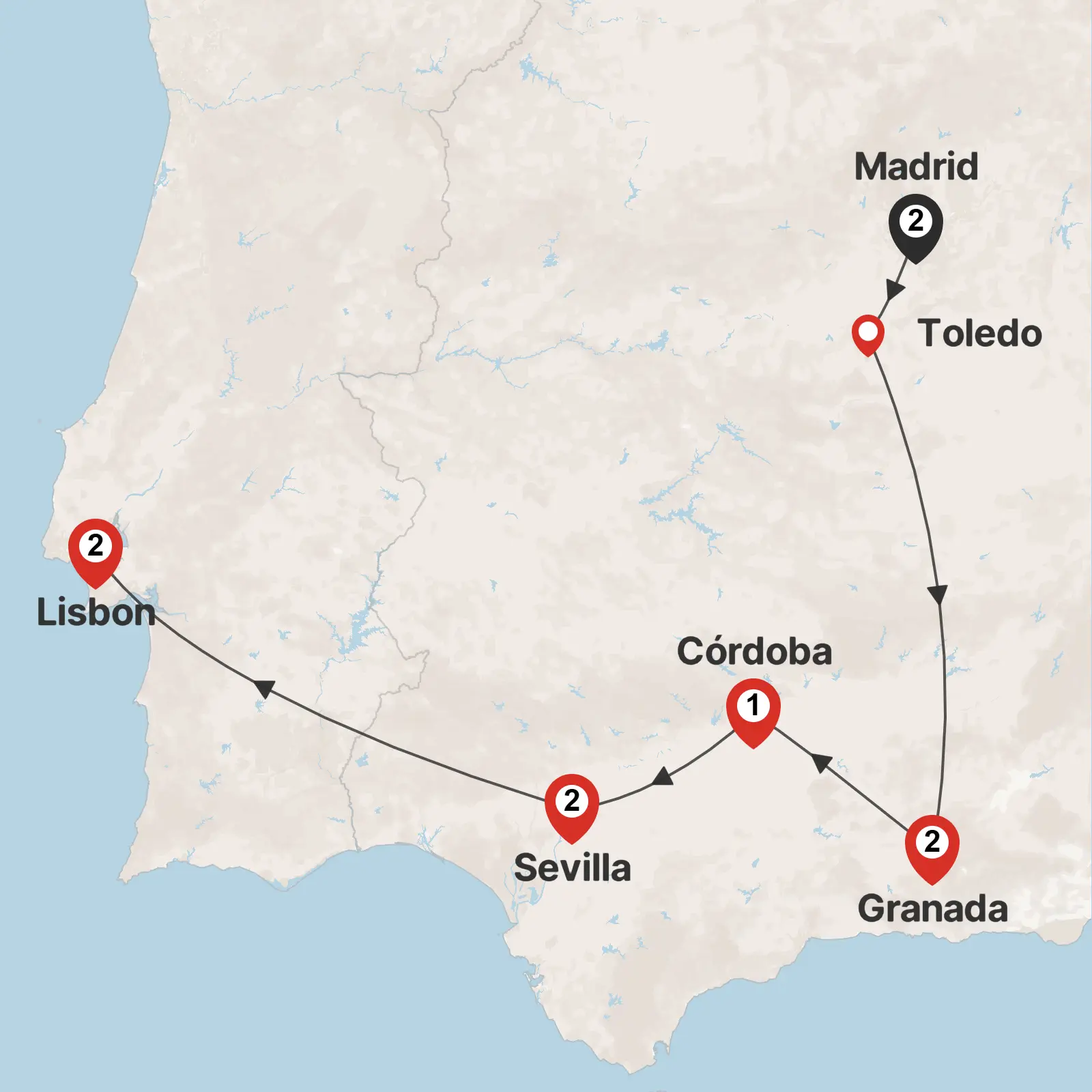
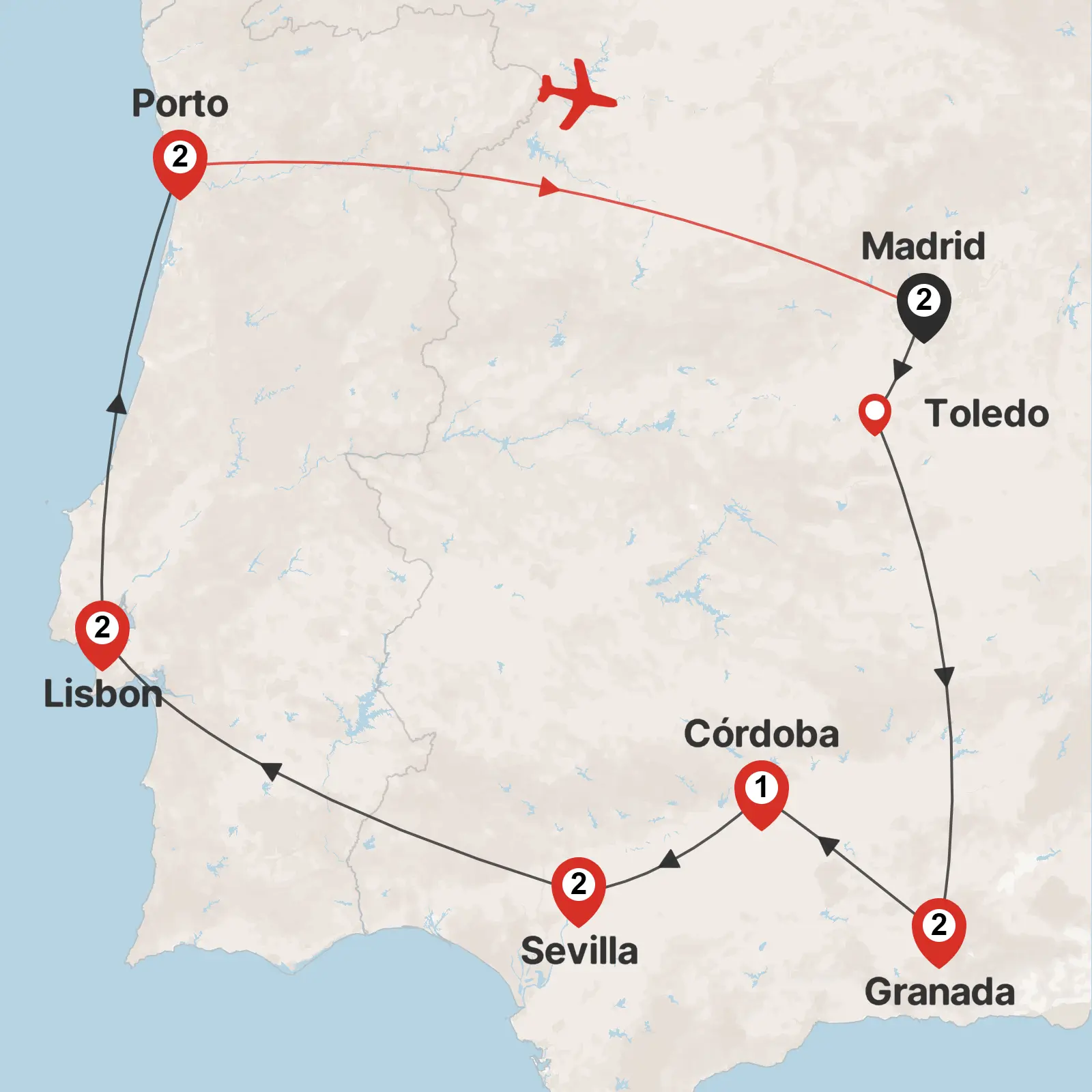
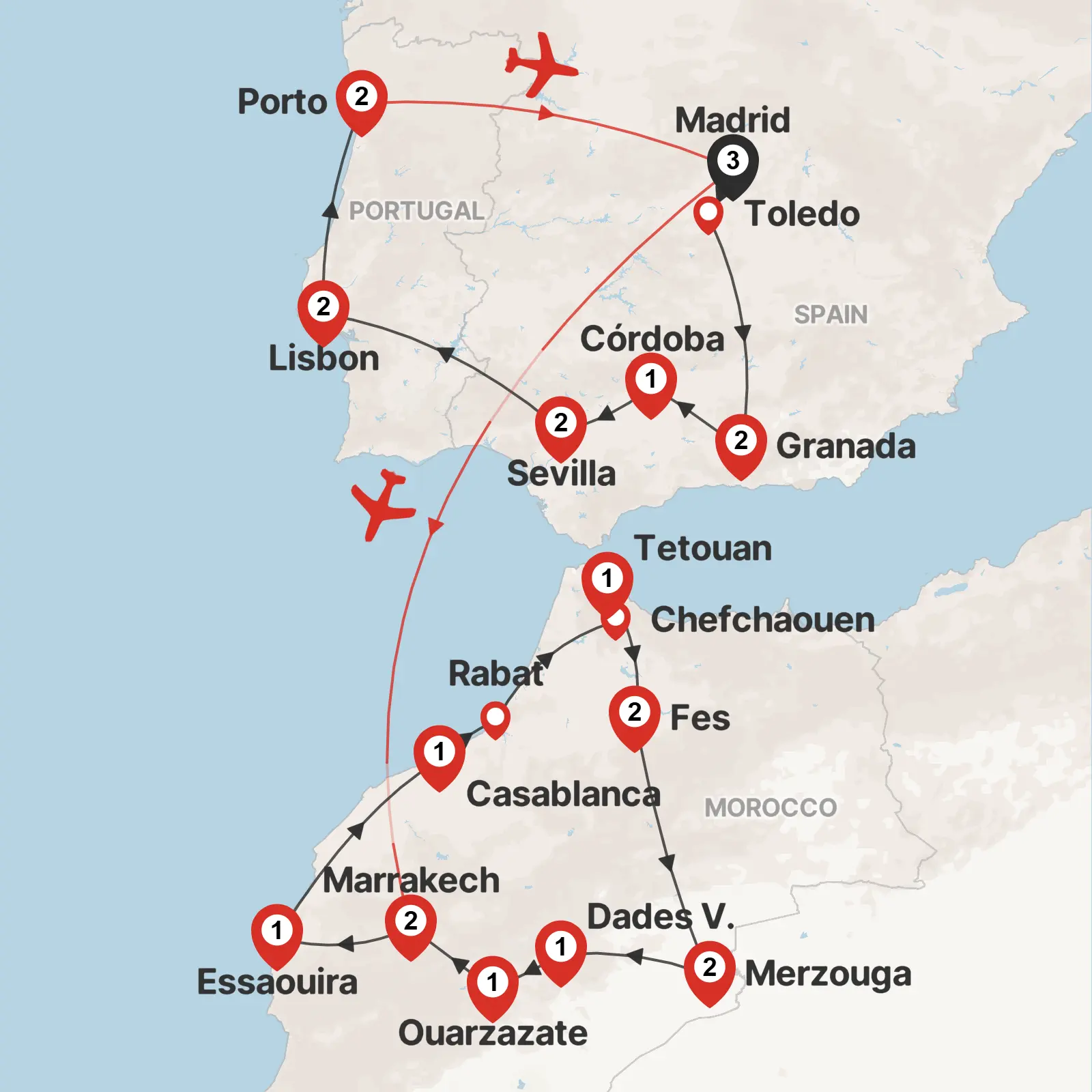
24 Days | 19 Locations | 3 Country
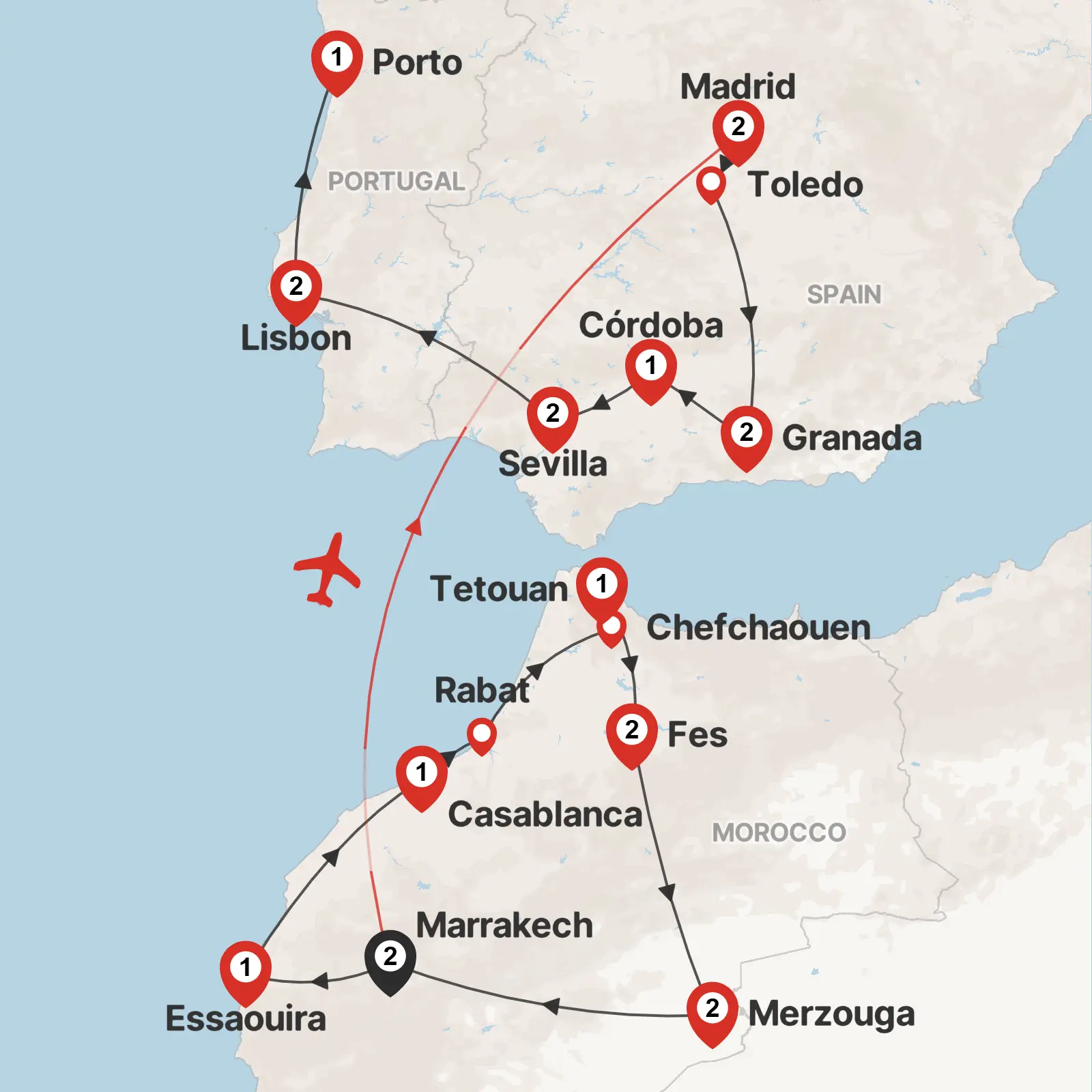
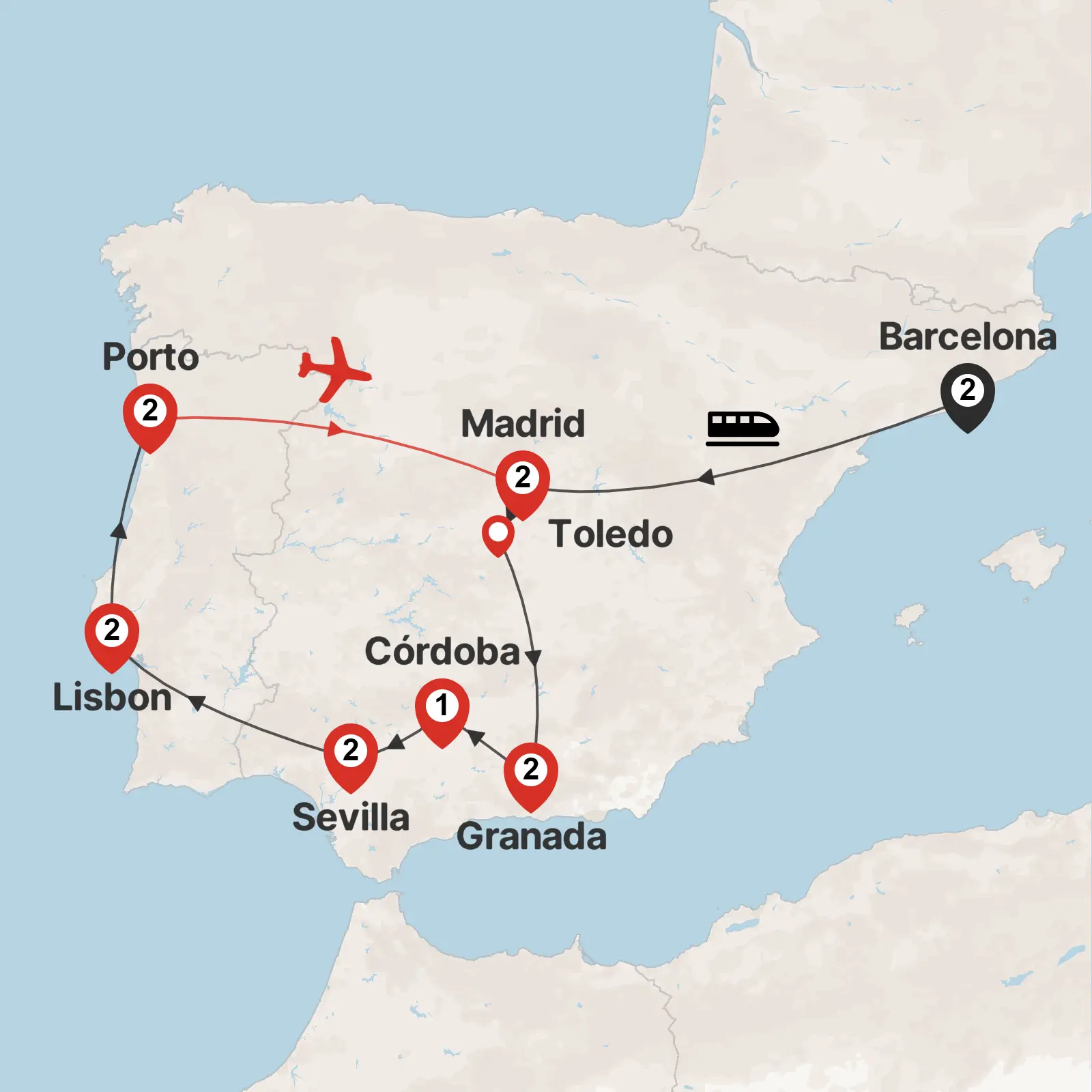
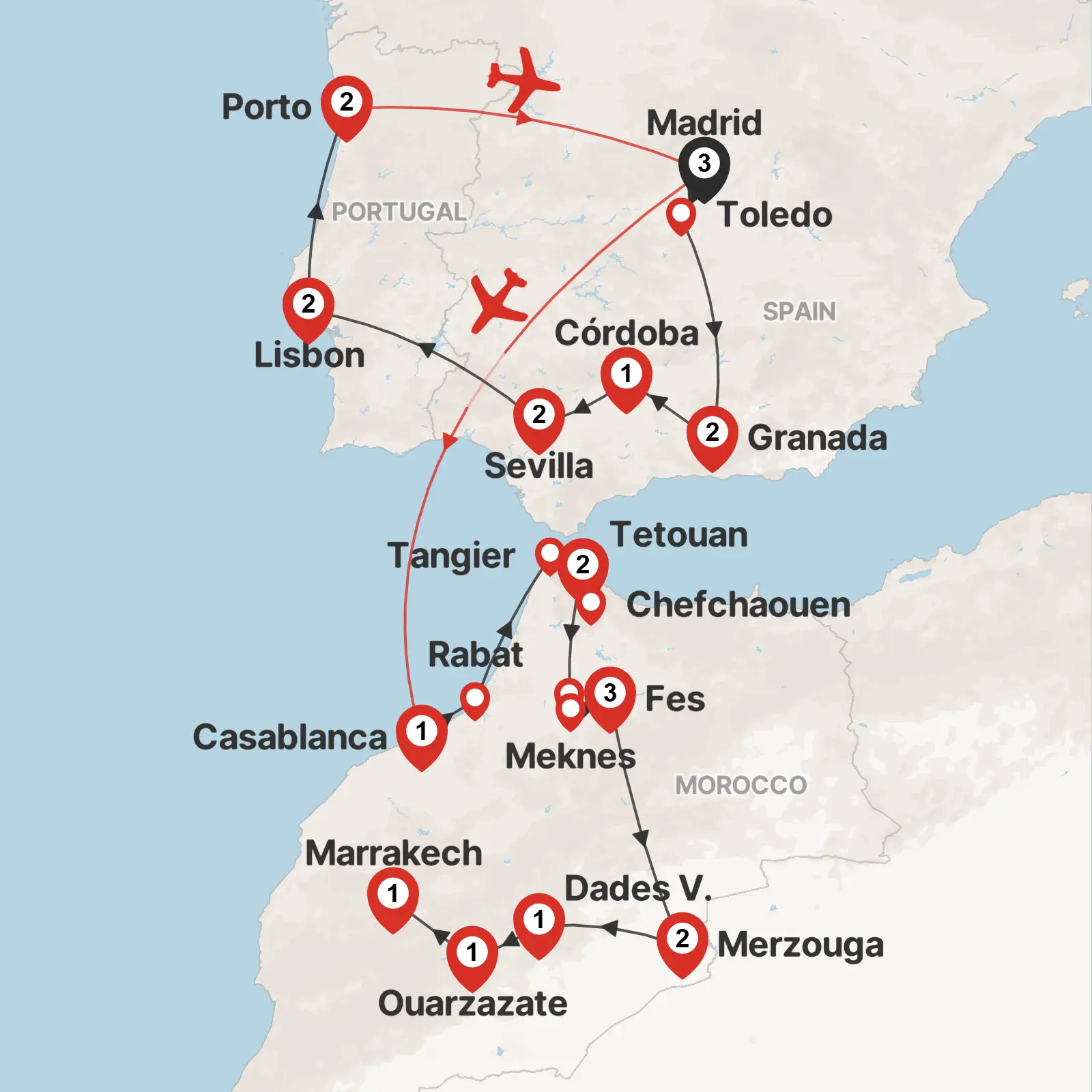
24 Days | 19 Locations | 3 Country