Best Places to Visit in Spain
Spain is a country of extraordinary diversity, where ancient history, breathtaking landscapes, and distinctive regional traditions create an unforgettable journey.
Step Into Spain’s Iconic Cities
Spain’s cities each reveal a different side of the country, making them some of the best places to visit in Spain. In Barcelona, Gaudí’s extraordinary architecture transforms the city into an open-air gallery, from the surreal forms of Park Güell to the soaring Sagrada Família. Madrid offers a different rhythm, with grand boulevards, celebrated museums, elegant squares, and the leafy paths of Retiro Park. Further south, Seville captivates with its ornate palaces, orange-tree-lined streets, and lively plazas, while Granada tells the story of Spain’s Moorish heritage through the magnificent Alhambra and the winding lanes of the Albaicín.
Beyond the major landmarks, these cities are best discovered through their everyday atmosphere. Stop for tapas in a neighbourhood bar, linger over coffee in a sunny square, browse local markets, or join the evening crowds as plazas fill after sunset. Whether you are drawn to art, architecture, food, or history, Spain’s cities offer endless ways to experience the country’s distinctive character.
Discover the Character of Spain’s Regions
One of the most rewarding things about travelling through Spain is discovering how dramatically its regions differ. In Catalonia, Barcelona combines Mediterranean influences with a distinctive artistic identity, while the Costa Brava unfolds into charming seaside towns and rugged coves. In Andalusia, whitewashed villages, Moorish architecture, flamenco traditions, and sun-drenched cities create an entirely different atmosphere. Head north and the scenery changes again, with the green landscapes and culinary traditions of the Basque Country and Galicia offering a glimpse of another side of Spain.
Food is at the heart of these regional differences. Sample pintxos in San Sebastián, paella in Valencia, jamón and tapas in Andalusia, or fresh seafood along the northern coast. Even familiar Spanish dishes can take on completely different flavours and traditions from one region to another, making every stop an opportunity to discover something new.
Immerse Yourself in Spain’s Culture Hubs
Spain’s cultural character comes alive in its historic neighbourhoods, lively plazas, traditional markets, and artistic centres, making its cities some of the best places to visit in Spain. Madrid stands at the heart of the country’s art scene, with the Prado Museum, Reina Sofía, and Thyssen-Bornemisza forming an extraordinary collection of European masterpieces. Barcelona offers a more experimental artistic spirit, where Gaudí’s architecture, contemporary galleries, and Catalan traditions shape the city’s identity. In Seville, flamenco, Andalusian architecture, and centuries-old traditions create an atmosphere that feels unmistakably Spanish.
Culture in Spain is not confined to museums and monuments. It unfolds in the rhythms of everyday life, from the sounds of flamenco performances and bustling food markets to late evening gatherings in neighbourhood plazas. Explore Granada’s historic quarters, discover Córdoba’s architectural heritage, or spend an evening enjoying tapas and local music in Seville. These experiences offer a more personal way to understand Spain, bringing together art, music, food, and traditions that have shaped the country over centuries.
Must-See Sights in Spain
Here is everything you need to know about the best places to visit in Spain.

Alhambra
The Alhambra is a magnificent palace and fortress complex in Granada, renowned for its intricate Islamic architecture, ornate courtyards, and centuries of fascinating history. Once the royal residence of the Nasrid rulers, it is one of Spain’s most celebrated landmarks and a remarkable symbol of Granada’s Moorish heritage.
Why You Should Visit:
Explore the Alhambra, where exquisite architecture, peaceful courtyards, and centuries of history come together, offering an unforgettable glimpse into Spain’s Moorish past.
Don’t Miss:
-Admire the Nasrid Palaces, known for their intricate tilework, carved stucco, elegant arches, and beautifully decorated courtyards.
-Visit the Alcazaba, the oldest part of the complex, and climb its historic towers for panoramic views across Granada.
-Explore the Palace of Charles V, a striking Renaissance building that contrasts beautifully with the surrounding Islamic architecture.
Keep in Mind:
-Comfortable shoes are recommended, as exploring the extensive complex involves considerable walking.
-Bring water and sun protection, particularly during the warmer months when parts of the site are exposed to the sun.
Learn more».jpg)
Generalife Gardens
The Generalife Gardens are the historic gardens of the Alhambra in Granada, celebrated for their elegant courtyards, flowing fountains, fragrant flowers, and peaceful landscaped spaces. Once a summer retreat for the Nasrid rulers, the gardens offer a beautiful blend of architecture, water, and nature overlooking the city and surrounding hills.
Why You Should Visit:
Wander through the Generalife Gardens, where tranquil courtyards, colourful gardens, and flowing water create a serene glimpse into the world of Granada’s Nasrid rulers.
Don’t Miss:
-Admire the Patio de la Acequia, the gardens’ most famous courtyard, with its long water channel, fountains, and carefully arranged flowerbeds.
-Explore the Palace of the Generalife, the former summer residence of the Nasrid rulers, with its elegant courtyards and historic architecture.
-Enjoy the panoramic views of Granada, with the city, surrounding countryside, and Sierra Nevada providing a spectacular backdrop.
Keep in Mind:
-Wear comfortable shoes, as the gardens include pathways, steps, and uneven surfaces.
-Bring water and sun protection, especially when visiting during the warmer months.
Learn more»
Sagrada Família
The Sagrada Família is Barcelona’s most iconic landmark, a spectacular basilica designed by Antoni Gaudí and renowned for its extraordinary architecture, intricate details, and towering spires. Construction began in 1882, and Gaudí’s visionary design continues to make it one of the most distinctive architectural sights in Spain.
Why You Should Visit:
Discover the Sagrada Família, where Gaudí’s imagination comes to life through breathtaking architecture, intricate symbolism, and extraordinary interior spaces.
Don’t Miss:
-Admire the Nativity and Passion façades, each featuring remarkably detailed sculptures and distinctive artistic styles.
-Step inside to see the colourful stained-glass windows, soaring columns, and tree-inspired interior that creates a spectacular atmosphere.
-Visit the Sagrada Família towers for impressive views across Barcelona and a closer look at Gaudí’s intricate architectural details.
Keep in Mind:
-Comfortable shoes are recommended, especially if you plan to visit the towers.
-Dress respectfully, as the Sagrada Família is a place of worship; shoulders and knees should be covered.

Seville
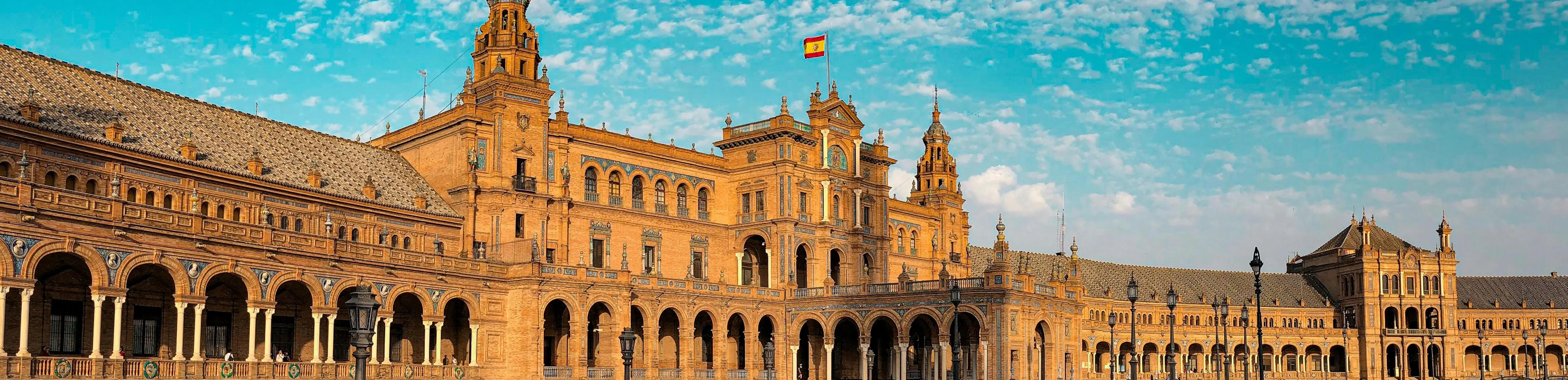
Seville is the vibrant capital of Andalusia, celebrated for its grand architecture, historic neighbourhoods, lively plazas, and deep-rooted traditions. From the magnificent Alcázar and soaring Seville Cathedral to the colourful streets of Santa Cruz, the city offers a fascinating blend of Moorish, Gothic, and Renaissance influences.
Why You Should Visit:
Explore Seville, where striking architecture, Andalusian traditions, and centuries of history come together in one of Spain’s most atmospheric cities.
Don’t Miss:
-Explore the Real Alcázar of Seville, a magnificent palace complex known for its ornate interiors, beautiful courtyards, and historic gardens.
-Admire Seville Cathedral and La Giralda, one of the city’s most recognisable landmarks and a spectacular example of Gothic architecture.
-Wander through the Santa Cruz neighbourhood, discovering narrow lanes, charming squares, whitewashed buildings, and traditional tapas bars.
Keep in Mind:
-Seville is known for its late dining culture, so expect restaurants and tapas bars to become livelier later in the evening.
-The city can be particularly hot in summer, so plan outdoor sightseeing around the cooler morning and late afternoon hours.

Toledo
Toledo is a historic hilltop city in central Spain, renowned for its remarkable blend of Christian, Muslim, and Jewish heritage. Often known as the “City of Three Cultures,” Toledo is filled with medieval streets, impressive monuments, and architectural treasures that reflect the diverse civilizations that shaped its history.
Why You Should Visit:
Revel in Toledo, where centuries of Christian, Muslim, and Jewish heritage come together to create one of Spain’s most fascinating historic cities.
Don’t Miss:
-Admire the Toledo Cathedral, a magnificent Gothic masterpiece filled with impressive artwork, ornate details, and historic treasures.
-Explore the Alcázar of Toledo, a striking fortress overlooking the city and home to the Army Museum.
-Discover the Jewish Quarter, with its atmospheric streets, historic synagogues, and beautiful examples of Toledo’s multicultural heritage.
Keep in Mind:
-Explore beyond the main landmarks to discover Toledo’s quieter lanes, hidden courtyards, and traditional artisan shops.
-Try marzipan, one of the city’s most famous local specialities and a delicious souvenir to take home.

Córdoba
Córdoba is a captivating Andalusian city known for its extraordinary Moorish heritage, historic streets, and remarkable blend of Islamic, Jewish, and Christian influences. Once one of the most important cities in medieval Europe, Córdoba is best known for the magnificent Mezquita-Catedral, while its flower-filled courtyards and atmospheric old quarter add to its timeless character.
Why You Should Visit:
Discover Córdoba, where centuries of Islamic, Jewish, and Christian heritage come together among beautiful architecture, historic streets, and peaceful courtyards.
Don’t Miss:
-Explore the Mezquita-Catedral, famous for its forest of red-and-white arches, ornate details, and fascinating layers of architectural history.
-Wander through the Jewish Quarter, discovering narrow whitewashed streets, charming courtyards, and the historic Córdoba Synagogue.
-Visit the Roman Bridge, which stretches across the Guadalquivir River and offers beautiful views towards the historic centre and Mezquita-Catedral.
Keep in Mind:
-Córdoba’s historic centre is especially atmospheric in the evening, when the streets become quieter and the monuments are beautifully illuminated.
-Look out for traditional patios, particularly during spring when many are filled with colourful flowers and open for visitors.
-Try local specialities such as salmorejo, a creamy chilled tomato soup that is one of Córdoba’s best-known dishes.

Madrid
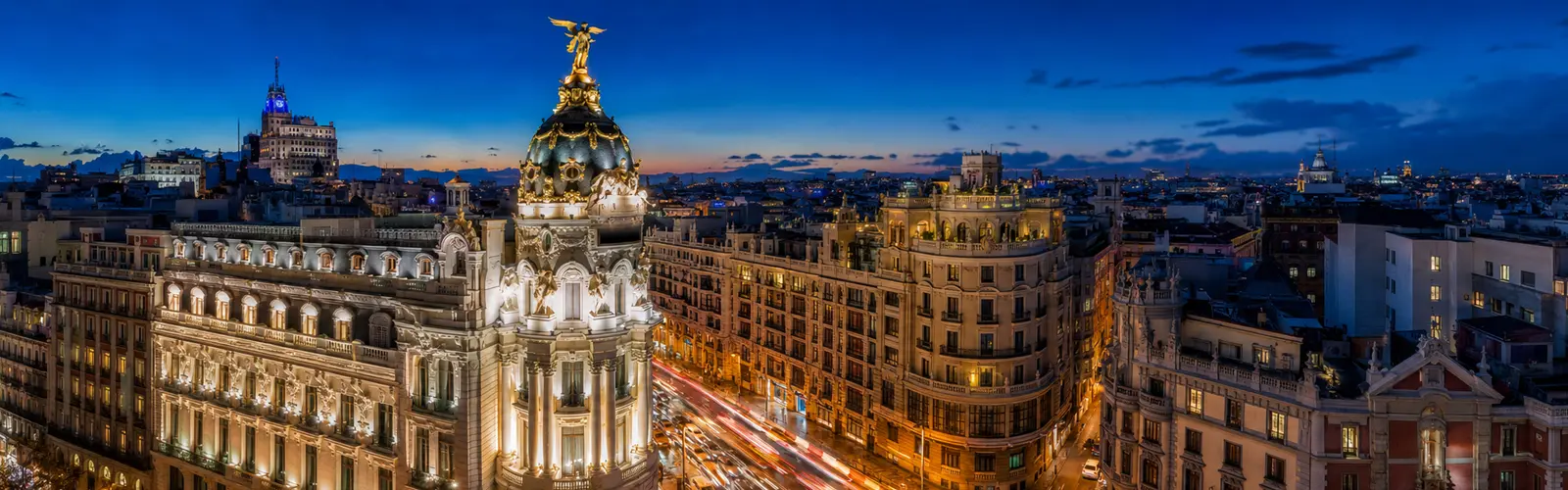
Madrid is Spain’s lively capital, known for its grand boulevards, impressive architecture, world-class museums, and elegant public spaces. From the masterpieces of the Golden Triangle of Art to the historic Plaza Mayor and the Royal Palace, the city offers a fascinating mix of Spanish heritage, art, culture, and everyday city life.
Why You Should Visit:
In Madrid, art, history, architecture, and Spanish city life come together in a capital filled with iconic landmarks and cultural treasures.
Don’t Miss:
-Explore the Prado Museum, home to an exceptional collection of European masterpieces by artists including Velázquez, Goya, and El Greco.
-Visit the Royal Palace of Madrid, one of Europe’s most impressive royal residences, with lavish rooms and historic collections.
-Wander through Retiro Park, a beautiful green space featuring landscaped gardens, fountains, monuments, and the famous Crystal Palace.
Keep in Mind:
-Take time to explore the city’s traditional neighbourhoods, where you can discover local cafés, markets, and tapas bars beyond the main attractions.
-Madrid’s dining culture runs late, with many restaurants and bars staying lively well into the evening, making it easy to combine sightseeing with a relaxed night out.

Barcelona
Barcelona is one of Spain’s most captivating cities, known for its extraordinary architecture, Mediterranean setting, and distinctive Catalan character. From Gaudí’s imaginative masterpieces to the atmospheric streets of the Gothic Quarter, the city combines centuries of history with a creative energy that can be felt throughout its neighbourhoods, plazas, markets, and waterfront.
Why You Should Visit:
Barcelona combines remarkable architecture, artistic heritage, and Mediterranean charm to create one of Spain’s most unforgettable city experiences.
Don’t Miss:
-Admire the Sagrada Família, Gaudí’s extraordinary basilica and one of Barcelona’s most recognisable architectural landmarks.
-Explore Park Güell, where colourful mosaics, imaginative structures, and panoramic views showcase Gaudí’s unique artistic vision.
-Wander through the Gothic Quarter, discovering medieval streets, historic squares, charming cafés, and centuries-old architecture.
Keep in Mind:
-Barcelona’s most popular attractions can sell out, so booking tickets ahead is recommended, particularly for the Sagrada Família and Park Güell.
-Take time to explore beyond the main sights and discover neighbourhoods such as El Born and Gràcia for a more local atmosphere.
-Keep an eye on your belongings in busy areas and on public transport, particularly around major tourist attractions and crowded streets.
Spain FAQ
Is Barcelona safe to visit?
How many days are enough to travel to Spain?
What are the best cities in Spain?
How long should I spend in Barcelona?
For a first visit, 3–4 days in Barcelona is ideal. This gives you enough time to see major attractions such as the Sagrada Família, Park Güell, and the Gothic Quarter, while also leaving time to explore local neighbourhoods, enjoy Catalan cuisine, and experience the city at a relaxed pace.
What is the best time of year to visit Spain?
The best time to visit Spain is generally spring and autumn, particularly from April to May and September to October. These months offer pleasant temperatures for sightseeing, exploring historic cities, and enjoying outdoor activities, while avoiding the intense summer heat and peak-season crowds.
What are the top activities for families in Spain?
Some of the top family activities in Spain include exploring Barcelona’s Gaudí landmarks, visiting the Alhambra in Granada, discovering Madrid’s museums and parks, enjoying Spain’s beaches, and exploring historic cities such as Seville and Córdoba. Families can also enjoy local food markets, scenic walks, cultural attractions, and interactive experiences that make it easy to combine sightseeing with fun for all ages.
What are the best food and drink experiences in Spain?
Some of the best food and drink experiences in Spain include sampling tapas, enjoying paella, trying pintxos in northern Spain, visiting local food markets, and tasting regional wines. Be sure to try Spanish specialities such as jamón ibérico, tortilla española, churros with chocolate, and gazpacho, while exploring the distinct culinary traditions of different regions.
What are the top museums to visit in Spain?
Some of the top museums to visit in Spain include the Prado Museum and Reina Sofía in Madrid, the Picasso Museum in Barcelona, and the Guggenheim Museum in Bilbao. Art lovers can explore masterpieces ranging from classical Spanish painting to modern and contemporary works, while museums across Spain also offer fascinating insights into the country’s history, culture, and artistic heritage.
How can I experience Spanish traditions like Flamenco?
Related Tours


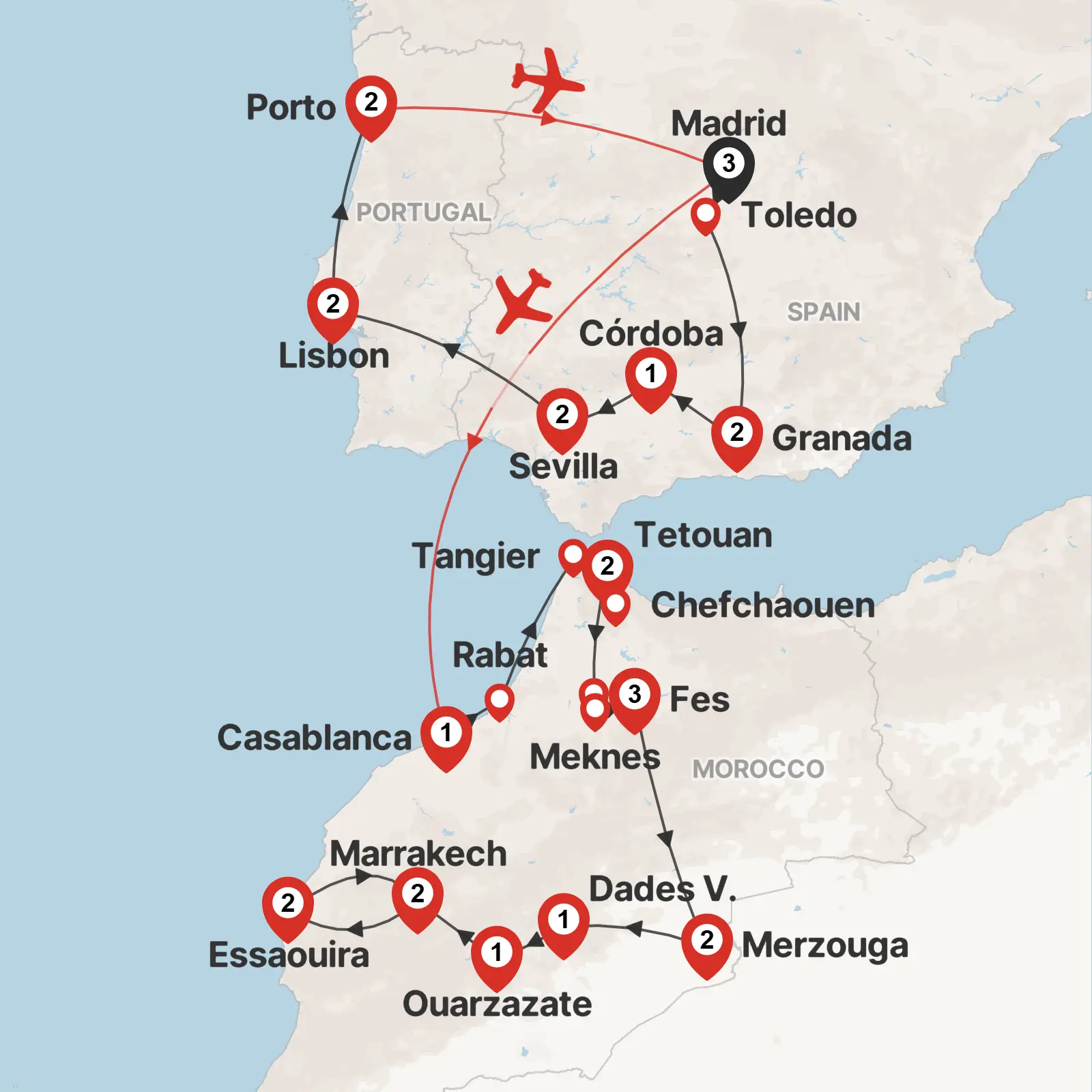
24 Days | 19 Locations | 3 Country