Best Time To Visit South Korea
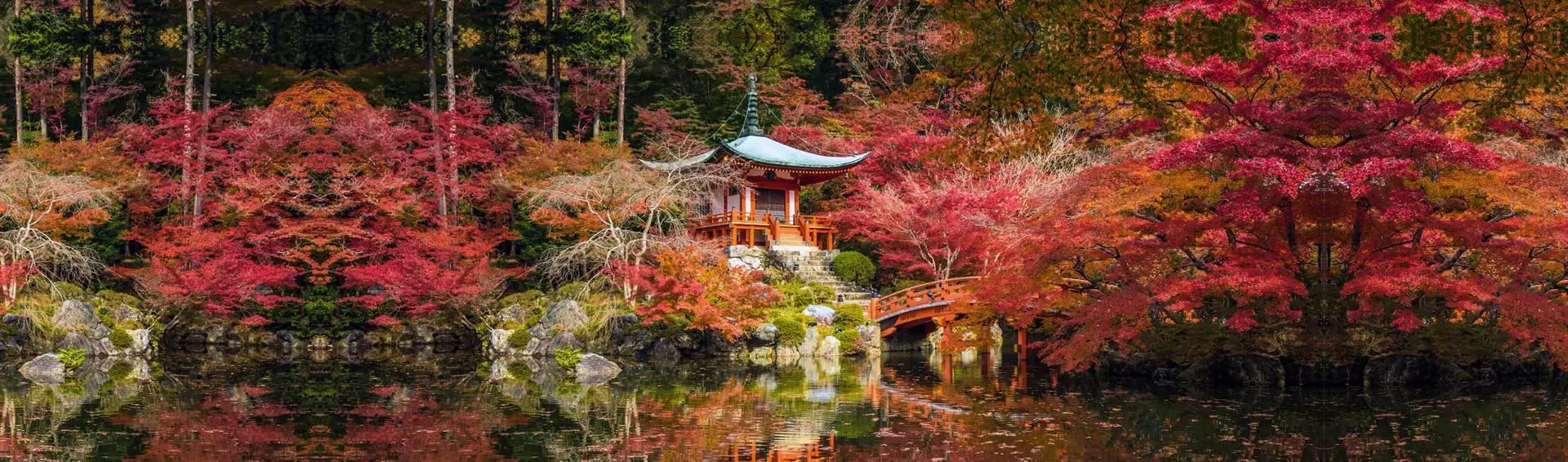
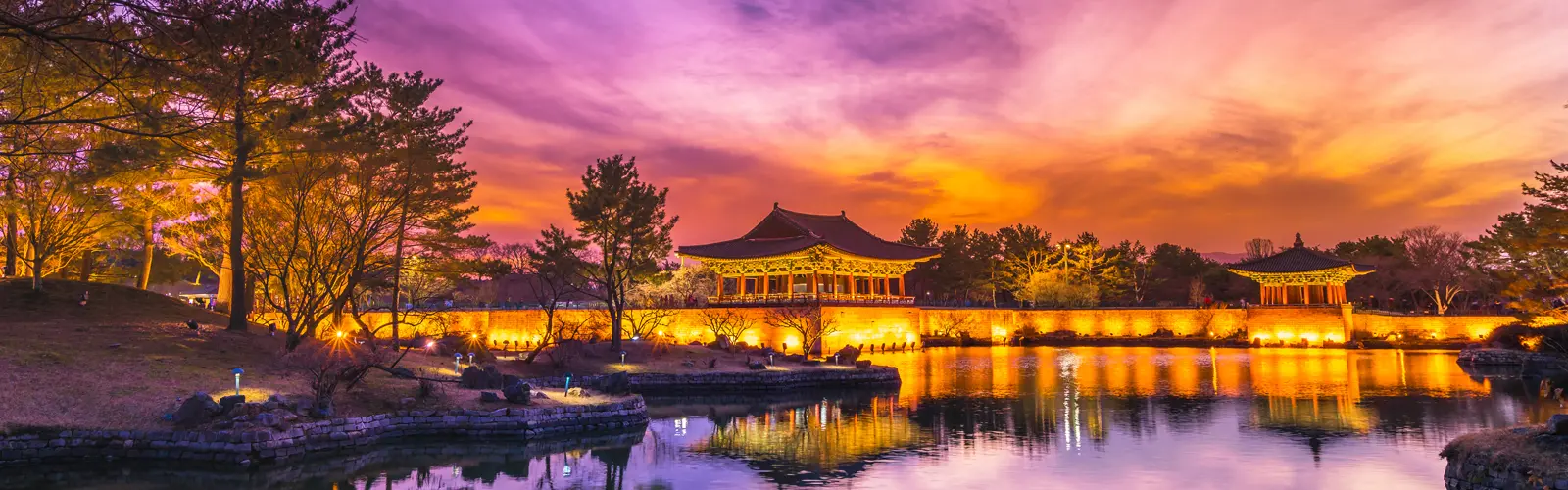
The best time to visit South Korea is spring and autumn, when the country's landscapes are at their most picturesque. Spring brings delicate cherry blossoms, colourful flowers and pleasant temperatures, while autumn transforms mountains, parks and palace gardens into beautiful displays of red, orange and golden foliage. These mild seasons are ideal for exploring historic neighbourhoods, traditional markets, scenic hiking trails and the country's lively cities.
June to August marks the summer season in South Korea, bringing warmer temperatures, high humidity and a rainy period that typically peaks in July. Despite the heat, summer is an exciting time to visit, with lively festivals, outdoor events and vibrant nightlife. Coastal destinations such as Busan and Jeju Island are particularly popular, offering beaches, seaside attractions and opportunities to enjoy the country's summer atmosphere.
Winter, from December to February, brings colder temperatures and occasional snowfall, creating a different kind of charm across South Korea. The country's northern and mountainous regions become popular destinations for skiing and snowboarding, while cities take on a cosy atmosphere with winter illuminations, seasonal street food and traditional markets. It's also a great time to experience Korean jjimjilbangs (traditional bathhouses) and hot springs. If you prefer fewer crowds and don't mind the cold, winter can be a rewarding season to explore.
Why You Should Visit South Korea: South Korea offers a fascinating blend of ancient heritage, contemporary culture and natural beauty. From the grand palaces and traditional hanok villages of Seoul and Gyeongju to the coastal scenery of Busan and the volcanic landscapes of Jeju Island, the country offers plenty to discover. Explore centuries-old temples, sample authentic Korean cuisine, browse bustling markets or immerse yourself in the global phenomenon of K-pop, Korean cinema and fashion. Whether you're drawn to cultural discoveries, culinary experiences or modern city life, South Korea has something to make every journey memorable.
Things to Consider: South Korea is generally considered a safe destination for travellers, but it's still important to take sensible precautions and stay aware of your surroundings. Respecting local customs is appreciated, particularly when visiting temples, traditional villages and other cultural sites. Learning a few basic Korean phrases can also make everyday interactions easier, although English is commonly understood in many tourist areas. Public transport is efficient and widely used, so a T-money card can be useful for getting around cities. South Korea's currency is the Korean won, and while card payments are widely accepted, carrying some cash is helpful for smaller purchases and traditional markets. If you're travelling during summer, be prepared for high humidity and seasonal rainfall; in winter, pack warm clothing for the colder temperatures.
Monthly Travel Guide for South Korea
Travelling in South Korea from December to February
Winters in South Korea are cold and generally dry, with temperatures in Seoul often dropping below freezing. Coastal cities such as Busan tend to have milder conditions, while the mountainous regions in the north and east receive regular snowfall, transforming the scenery into a beautiful winter landscape.
The winter months are ideal for experiencing South Korea's traditional jjimjilbangs (Korean bathhouses), relaxing in outdoor hot springs and discovering the country's cosy winter food culture. From December to February, clear winter skies can offer spectacular views of snow-covered mountains and historic sites. It's also a wonderful season to explore Seoul's palaces and traditional neighbourhoods with fewer international visitors.
 Winter brings spectacular snow-covered scenery to destinations such as Seoraksan National Park and Pyeongchang, creating beautiful settings for outdoor adventures and sightseeing.
- South Korea celebrates the season with lively festivals and winter events, including the famous Hwacheon Sancheoneo Ice Festival.
- Winter is the perfect time to enjoy traditional Korean comfort food, from bubbling kimchi jjigae and freshly made hotteok to steaming bowls of tteokguk.
- Temperatures can fall significantly below freezing, particularly in northern and mountainous areas, so plan outdoor sightseeing accordingly
- Pack warm layers, a winter coat, gloves and comfortable shoes with good grip.
Travelling in South Korea in March
Temperatures begin to rise in March, generally reaching the mid-teens in many parts of South Korea, while the first signs of spring appear across the country. Early spring is a relatively quieter time to visit before the cherry blossom season brings larger crowds in late March and April. It's an excellent opportunity to explore South Korea's cities, cultural landmarks and scenic landscapes in milder weather.
- Cherry blossom season begins in southern parts of South Korea towards the end of March, with popular viewing spots such as Jinhae and Gyeongju drawing visitors from across the country.
- Spring celebrations and cultural events start to take place, including the Jeju Fire Festival, which traditionally marks the arrival of spring.
- March is generally less crowded than the peak cherry blossom period in April, making it a good time to explore popular attractions at a more relaxed pace.
- March weather can be unpredictable, with chilly mornings and evenings, so packing layers is recommended.
- Cherry blossoms do not bloom everywhere at the same time, so check regional forecasts if seeing them is a priority.
Travelling in South Korea in April
April is one of the most beautiful months to visit South Korea, as cherry blossoms reach full bloom across much of the country. Parks, palace grounds and riverside promenades turn shades of pink and white, creating picture-perfect settings for leisurely walks, outdoor picnics and spring photography. From the scenic streets of Gyeongju to the cherry blossom-lined paths of Seoul, the season brings a lively atmosphere as locals and visitors make the most of the warmer weather.
Temperatures are generally mild and pleasant in April, making it an excellent time for sightseeing and exploring the countryside. While mornings and evenings can still be cool, the days are usually comfortable for outdoor activities.
- The country comes alive with spring celebrations, including the famous Jinhae Gunhangje Festival and various flower festivals held throughout the season.
- April is a wonderful time to enjoy outdoor activities, from strolling through the gardens of Gyeongbokgung Palace to picnicking along Seoul's Han River.
- Spring brings an abundance of seasonal Korean ingredients, making it a great time to try fresh wild greens, spring vegetables and local specialities such as naeng-i doenjang-guk (shepherd's purse soybean paste soup).
- Popular cherry blossom destinations can become very crowded during peak bloom, especially on weekends and during major festivals.
- Although April is generally mild, temperatures can fluctuate, so bringing a light jacket and a few extra layers is recommended.
Travelling in South Korea in May
May is an excellent month to visit South Korea, with pleasantly warm temperatures, plenty of sunshine and lush green landscapes. Spring is in full bloom, and the countryside becomes particularly scenic as mountains, gardens and national parks fill with fresh greenery. While the cherry blossom season has mostly come to an end in many regions, late-blooming flowers can still be found in some areas. May is also a lively month for cultural celebrations, with the Buddha's Birthday festivities bringing colourful lantern displays to temples and streets across the country.
- May brings vibrant greenery to South Korea's countryside, with national parks, mountain trails and gardens offering beautiful scenery for outdoor exploration.
- Buddha's Birthday, celebrated in April or May depending on the lunar calendar, is marked by spectacular lantern displays, temple celebrations and cultural events.
- May is a great time to experience local festivals, including the Boseong Green Tea Festival and the Damyang Bamboo Festival, which celebrate some of South Korea's best-known regional attractions.
- Public holidays, including Children's Day on May 5 and Buddha's Birthday, can bring larger crowds to popular attractions and transport services.
Travelling in South Korea from June to August
Summer in South Korea brings warm temperatures, long daylight hours and a lively atmosphere across the country. June marks the beginning of the hot and humid season, with the monsoon period, known locally as jangma, typically arriving in late June or early July. Rainfall can be heavy at times, particularly in the southern regions, while temperatures often climb above 30°C in cities such as Seoul and Daegu. Despite the heat and occasional showers, summer offers plenty of opportunities to explore South Korea's coastal scenery, lush national parks and vibrant city life.
As the monsoon season gradually passes, July and August bring hotter, sunnier days, making coastal destinations such as Busan and Jeju Island popular summer escapes.
- The country hosts numerous summer festivals, including the Boryeong Mud Festival, known for its lively beachside activities, and the Busan Sea Festival, which celebrates the city's coastal culture.
- Summer is an excellent opportunity to sample refreshing Korean seasonal dishes, such as naengmyeon (cold noodles), kongguksu (chilled noodles in creamy soybean broth) and bingsu (shaved ice dessert).
- Longer daylight hours provide more time to explore, enjoy evening walks along the Han River and experience South Korea's bustling night markets and outdoor dining scene.
- South Korea's summer monsoon season can bring heavy rainfall, flooding and occasional travel disruptions, particularly in late June and July.
- High temperatures and humidity can make sightseeing tiring, so staying hydrated, using sun protection and planning breaks are important.
Travelling in South Korea from September to November
As summer comes to an end, September brings a welcome change in South Korea, with gradually cooler temperatures and a more relaxed atmosphere. Although early autumn can still be warm and humid, the weather becomes increasingly pleasant as the season progresses. October and November are particularly appealing months for exploring the country's traditional markets, historic neighbourhoods and scenic countryside. The cooler days also make it an ideal time for hiking and discovering South Korea's beautiful national parks.
September can still bring occasional heavy rainfall, particularly during the early part of the month, but October is generally drier and offers comfortable conditions for sightseeing. As autumn deepens, mountains, palace gardens and city parks are transformed by vibrant shades of red, orange and gold. November is especially beautiful in destinations such as Naejangsan National Park and Seoraksan National Park, where spectacular autumn foliage attracts visitors from across the country. Autumn is one of the most popular seasons for travelling in South Korea, thanks to its pleasant weather and colourful landscapes.
- South Korea is renowned for its spectacular autumn foliage, with colourful displays typically reaching their peak between October and November, depending on the region.
- Autumn brings a variety of cultural celebrations, including the Andong Mask Dance Festival and Jinju Namgang Yudeung Lantern Festival, featuring traditional performances and beautiful illuminated lanterns.
- Autumn is a great time for foodies to visit Japan, as many seasonal dishes are available during this time.
- Although autumn is outside the main summer holiday period, it remains one of South Korea's busiest travel seasons, especially during peak foliage weeks.
- Popular autumn foliage destinations can become crowded during weekends and peak colour periods, so visiting early in the day or exploring less-visited areas can make for a more relaxed experience.
When to Visit South Korea

Visit Tokyo and Kyoto in Summer
Summer offers the best time to visit Japan for its bustling city life and cultural events. Although most of the land experiences rainfall from June to mid-July, the wet weather gives way to a green and blooming landscape in the gardens of Kyoto and Osaka. The days are long and sunny around this time, which will allow you to explore the cities with walking tours, enjoy some leisure time in the parks, and shop for local products in the hopping Japanese markets.
It is also a great time to take train rides to the natural sites surrounding the cities, such as Hakone, where you will experience the best of the blooming countryside. If you are traveling to Kyoto in July, there is a high chance that you will find yourself in the lively parades on the streets throughout the month. Tokyo also has an intriguing portfolio of art and music festivals, not to mention the local bars where you can find all sorts of entertainment that are perfect from June to August.
Tips for visiting Kyoto and Tokyo during summer:
– Be sure to drink plenty of water and take breaks in air-conditioned areas to avoid heat exhaustion.
– Light and breathable clothing is essential during the summer months in Tokyo and Kyoto. Be sure to pack comfortable shoes, a hat, and sunglasses.
– Tokyo and Kyoto have excellent public transportation systems, including buses, trains, and subways. Consider purchasing a transportation pass to save money and make it easier to get around.
– Consider visiting popular attractions early in the morning or late in the afternoon to avoid the heat and crowds.
– Japan is known for its delicious cuisine, and the summer months offer a range of seasonal dishes such as cold noodles, grilled eel, and shaved ice.
– Be sure to follow etiquette when visiting temples and shrines, such as removing your shoes and covering your shoulders.

Trips to Japan in Spring and Fall
Traveling to Japan has a lot to offer in spring and fall when outdoor activities are enjoyable in the cities and the vast countryside. From late March, the iconic cherry blossoms cover the zen gardens and city parks, turning the outdoors into a natural paradise. It is the best time to visit Japan since locals take advantage of the warm weather to enjoy the great outdoors. You will have a chance to witness the local culture at its best.
The fall season offers an equally pleasant time, only less busy due to the end of the holiday season. One of the highlight activities from September to December is traveling through the sacred lands of Mount Koya to visit the age-old temples and monasteries. The red and orange shades covering the country create a cozy atmosphere, making zen gardens and Buddhist rituals even more tranquil at this time of year. If you wish to add some cultural knowledge to your vacation, Hiroshima is perfect for visiting in the mild temperatures of spring and fall. Our Ultimate Japan trip offers a stop at the highlight attractions in Japan and the opportunity to witness the picturesque countryside in these seasons.
Tips for visiting Japan in spring and fall:
– Be prepared for occasional rain, especially in the spring.
– Pack clothing appropriate for the season, with layers for cooler days and evenings.
– Japan has a range of festivals and cultural events during the spring and fall. In the spring, the cherry blossom festivals are a must-see, while in the fall, the autumn foliage festivals are equally beautiful. Other festivals include the Sanja Matsuri in Tokyo in May, and the Jidai Matsuri in Kyoto in October.
– Japan is known for its delicious cuisine, and the spring and fall offer unique seasonal dishes. In the spring, try sakura-themed treats like sakura mochi, while in the fall, chestnuts and sweet potatoes are popular. Be sure to also try regional specialties like sushi, ramen, and tempura.
Japan by Season
Winter
Japan’s temples and shrines take on a special charm during the winter months, with snow-covered pagodas and torii gates. Some of the most popular temples and shrines to visit in Japan during the winter include Kiyomizudera in Kyoto and Sensoji Temple in Tokyo.
The country’s winter landscape is a wonderland of snow-capped mountains, steaming hot springs, and plum blossoms. Make sure to include popular winter activities such as skiing, snowboarding, hot spring baths, and enjoying seasonal delicacies such as seafood and warm sake.
Best Things to do in Japan in winter:
Relax in the natural hot water in a traditional Japanese onsen, while taking in the snow-covered scenery. Admire the famous illuminations in Tokyo and Osaka.

Spring
Spring in Japan is synonymous with cherry blossom season, which is a breathtakingly beautiful time of the year when the streets and parks are covered in pink and white blooms.
Perfect weather for exploring Japan’s bustling cities and soaking in the vibrant street fashion and trendy neighborhoods.
Best Things to do in Japan in spring:
Enjoy hanami, or flower viewing, and gather under the blooming cherry trees to have picnics. Experience traditional festivals such as the Kyoto geisha dances.

Summer
Japan’s picturesque countryside is a popular attraction during the summer, with its lush green mountains and scenic hiking trails.
Summer in Japan is also the perfect time to indulge in seasonal treats such as kakigori and cold soba noodles, making it a foodie’s paradise.
Best Things to do in Japan in the summer:
Attend the famous Gion Matsuri in Kyoto. Visit Tokyo Disneyland and Universal Studios Japan, and indulge in seasonal food and drinks. Revel in the hiking community of Mt. Fuji.

Autumn
One of the most popular activities in the fall is momiji-gari, or maple leaf viewing, where you can witness the beautiful colors of the autumn foliage. Some of the best places to enjoy autumn leaves in Japan include Kyoto’s temples and gardens.
Fall is an excellent season for foodies to visit Japan, with a range of seasonal delicacies such as chestnuts, sweet potatoes, and Matsutake mushrooms.
Best Things to do in Japan in autumn:
Attend the famous Takayama Festival in Gifu Prefecture and the Jidai Matsuri in Kyoto. Engage in some moon-viewing in Japan with the locals.

Japan FAQ
 What’s the best time to visit Japan for budget travellers?
The best time to visit Japan for budget travellers depends on a few factors, such as the season, events happening in the country, and the cost of flights and accommodation. Generally, the cheapest time to visit Japan is during the low season, which is from December to February (excluding the New Year’s holiday period), and from June to August (excluding the Obon holiday period).
 When is the best time to visit Tokyo?
Spring is one of the most popular times to visit Tokyo because of the cherry blossom season. The city is blanketed in pink and white flowers, and there are many festivals and events celebrating the blooms. However, this is also peak tourist season, so expect higher prices and larger crowds.
Summer in Tokyo is hot and humid, but it’s also when you can experience many of the city’s outdoor festivals and events, such as fireworks displays and street food festivals. This is also the time when schools are out and many locals take their vacations, so popular tourist spots can be very crowded.
 What is the best month to visit Japan to beat the crowds?
If you’re looking to beat the crowds and avoid the busiest tourist season in Japan, you may want to consider visiting during the low season. The low season is generally from December to February (excluding the New Year’s holiday period) and from June to August (excluding the Obon holiday period).
Of these months, January and February are typically the least crowded, with fewer tourists and shorter lines at popular attractions. While the weather can be cold and snowy, it’s a great time to experience winter sports and enjoy winter festivals like the Sapporo Snow Festival.
 When is the best time to experience Japanese culture?
Japan has a rich culture that can be experienced year-round, but there are certain times of the year when cultural events and traditions are particularly prominent. Summer in Japan is a time for festivals and fireworks displays.
You can experience traditional dance and music performances at events like the Gion Matsuri in Kyoto or the Awa Odori in Tokushima. all is the season of autumn leaves, and it’s a great time to visit temples and shrines that are surrounded by colorful foliage. You can also experience traditional harvest festivals like the Takayama Matsuri or the Kurama Fire Festival.
 When is the cherry blossom season in Japan?
The cherry blossom season, also known as sakura season, in Japan typically occurs from late March to early May, depending on the location and weather conditions. The first blossoms usually appear in the southern part of Japan, such as in Okinawa, in late March, and then gradually move northward, reaching Tokyo in early April and Hokkaido in early May
 When is the autumn foliage season in Japan?
The autumn foliage season in Japan typically occurs from late October to early December, depending on the location and elevation. The leaves usually start changing colors in the northern regions of Hokkaido and Tohoku in late September and gradually move southward, reaching the Kanto and Kansai regions in November.
 How many days do you need to visit Japan?
The number of days you need to visit Japan depends on your travel goals and interests. If you’re interested in exploring Tokyo and other major cities, you could spend at least 7-10 days in Japan. This would allow you to see some of the top attractions, experience the local cuisine, and get a feel for the unique culture of Japan. If you’re interested in exploring more of Japan’s natural beauty and historic sites, you may want to spend at least 2-3 weeks in Japan.
 What is the rainy season in Japan?
The rainy season in Japan, also known as “tsuyu” or “baiyu,” typically occurs in early June and lasts for about a month. During this time, Japan experiences a high amount of rainfall, particularly in the central and southern regions. The rainy season is caused by warm, moist air from the Pacific Ocean meeting cool air from Siberia, resulting in heavy rain and high humidity.
 What is the coldest month in Japan?
The coldest month in Japan varies depending on the region. In northern Japan, the coldest month is typically January, while in central and southern Japan, it is usually February. During these months, temperatures can drop to below freezing, especially at night.
 What are the best cities to visit in Japan?
Tokyo: The capital city of Japan is a bustling metropolis with an array of shopping, dining, and entertainment options. Kyoto: Known as the cultural heart of Japan, Kyoto is home to hundreds of temples, shrines, and gardens. Osaka: The food capital of Japan, Osaka is famous for its street food, delicious restaurants, and lively nightlife. Hiroshima: This city is known for its tragic history and inspiring resilience. Sapporo: The largest city in the northern island of Hokkaido, Sapporo is a popular destination for winter sports enthusiasts.
 Is it safe to travel to Japan?
Yes, Japan is generally considered a safe country for travelers. It has a low crime rate and is known for its strict enforcement of laws and regulations. Visitors can feel safe walking around at night, using public transportation, and exploring the country’s many attractions.
However, like any destination, there are certain risks to be aware of when traveling to Japan. Natural disasters, such as earthquakes and typhoons, can occur, particularly during certain seasons. It’s important to stay informed of weather conditions and follow the advice of local authorities.
 What are the most beautiful places in Japan?
The iconic Mount Fuji is Japan’s tallest mountain and a UNESCO World Heritage Site. Kyoto is home to many historic districts with beautiful traditional architecture, such as Gion, Higashiyama, and Arashiyama. Located in the Japanese Alps, Takayama is a picturesque town known for its beautifully preserved old town, traditional crafts, and festivals. This small island near Hiroshima is home to the famous Itsukushima Shrine with its stunning torii gate, as well as beautiful hiking trails and wildlife.
 Does Japan have nightlife?
Yes, Japan has a vibrant nightlife scene, particularly in major cities like Tokyo, Osaka, and Kyoto. From bars and nightclubs to karaoke and live music venues, there is something for everyone.
In Tokyo, the neighborhoods of Shibuya, Shinjuku, and Roppongi are known for their lively nightlife scenes. Visitors can find everything from small bars and izakayas (Japanese pubs) to large nightclubs and live music venues. Many of these establishments stay open until the early hours of the morning, making Tokyo a popular destination for night owls.
Which airlines fly directly into Japan?
There are many airlines that offer direct flights to Japan from various cities around the world. Here are some of the major airlines that fly directly to Japan: All Nippon Airways (ANA), Japan Airlines (JAL), Delta Air Lines, United Airlines, American Airlines, British Airways, Air Canada, Cathay Pacific
 What to wear in Japan?
Conservative and modest clothing is generally preferred. This means avoiding clothing that is too revealing, such as shorts or tank tops. Business attire is often required in formal settings, such as meetings or job interviews. This typically means a suit and tie for men and conservative dress or pantsuit for women. When visiting religious sites or attending formal events, it’s best to wear more formal attire, such as a dress or suit. Comfortable, casual clothing is appropriate for most everyday situations. Jeans, t-shirts, and sneakers are common. Shoes should be easy to slip on and off, as it is customary to remove shoes before entering many buildings, including homes, temples, and some restaurants.
 What is Japan famous for?
Japan is renowned for its high-tech gadgets, robotics, and advancements in electronics and engineering. Japan has produced some of the most popular and widely recognized animated shows and graphic novels in the world. Japanese cuisine is famous for its sushi, ramen, udon noodles, and many other delicious dishes. Japan’s beautiful sakura (cherry blossom) trees draw millions of visitors from around the world each year. Japan has many beautiful and historic temples and shrines, including the famous Golden Pavilion, Fushimi Inari Shrine, and Senso-ji Temple.
 What is the best time to eat delicious food in Japan?
In Japan, many restaurants and food establishments serve delicious food throughout the day, but there are a few specific times that are considered the best for certain types of food. For example, sushi and sashimi are often enjoyed at lunchtime, as many sushi restaurants offer lunchtime specials or bento boxes that include a variety of seafood. Ramen, one of Japan’s most popular dishes, is often enjoyed as a late-night snack after a night out or as a quick meal during lunchtime.
 Do you need a visa to visit Japan?
Whether or not you need a visa to visit Japan depends on your nationality and the length of your intended stay.
Nationals from around 70 countries, including the United States, Canada, Australia, and most European countries, do not need a visa for stays of up to 90 days as tourists or for business purposes. These nationals will be granted a visa waiver upon arrival in Japan. If you are unsure whether you need a visa or not, you should check with the Japanese embassy or consulate in your home country.
Related Tours