Spanish Culture
Spanish Culture
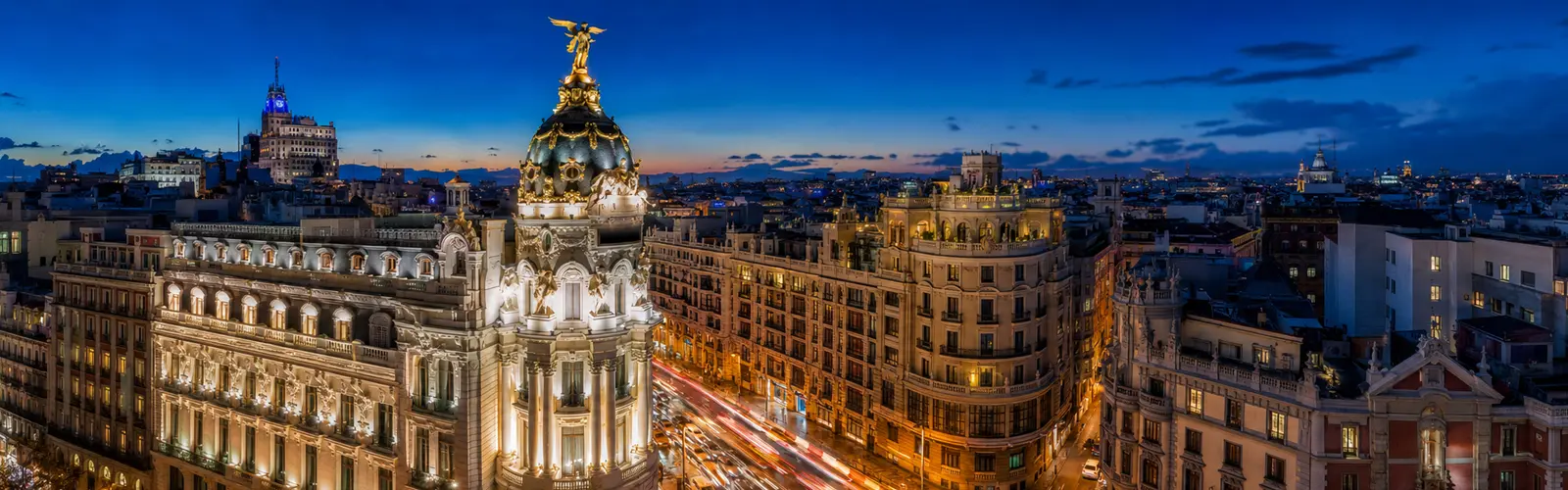
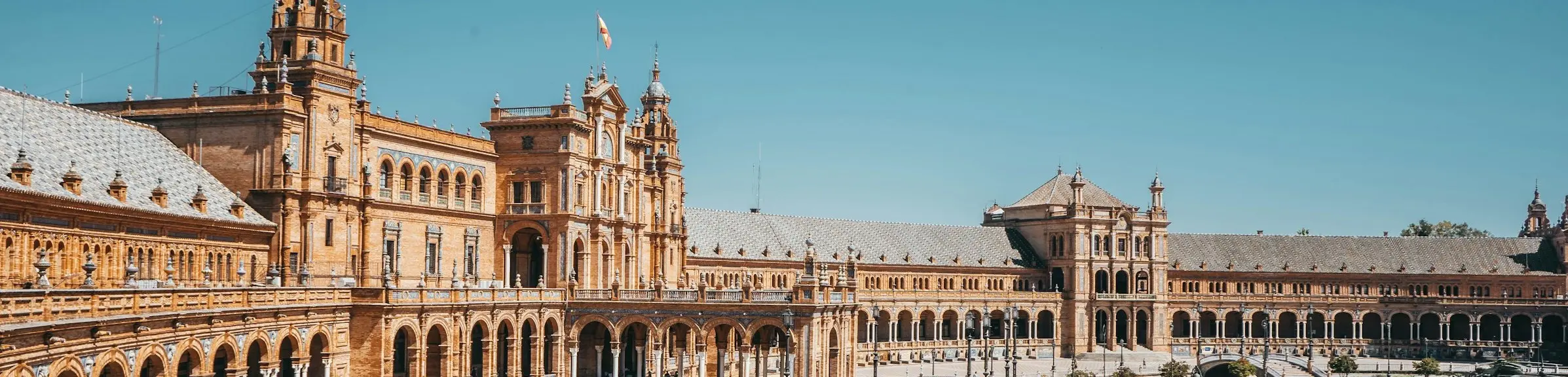
Spain’s extraordinary cultural character reveals itself from the moment you step into its historic cities, where centuries of tradition meet a distinctly modern way of life. From the grand boulevards of Madrid to the atmospheric streets of Seville and the artistic spirit of Barcelona, every destination offers a different glimpse into what makes Spanish culture so captivating.
Spanish culture has been shaped by centuries of Roman, Moorish, Christian, and regional influences, creating a country where traditions can vary dramatically from one region to another. Architecture, music, food, language, and festivals all tell part of this story, while everyday life revolves around family, community, and the simple pleasure of sharing time together. From flamenco and lively local celebrations to long lunches, tapas, and late evenings in bustling plazas, Spanish culture is often best understood through the rhythms of daily life.
Begin your cultural journey in Barcelona, where Gaudí’s extraordinary architecture and Catalan traditions give the city its unmistakable identity. Continue south to Andalusia, where the legacy of Moorish Spain lives on in the Alhambra, Córdoba’s Mezquita, and Seville’s historic streets, alongside the passionate sounds of flamenco. In Madrid, discover the country’s artistic heart through world-class museums, grand landmarks, and lively neighbourhoods. Wherever your journey takes you, Spain invites you to slow down, share a meal, listen to the music, and discover the traditions that continue to shape life today.
Eating & Drinking
“Spain’s culinary traditions are as diverse as its regions—sizzling paellas, generous plates of tapas, fresh seafood, cured meats, and indulgent sweets invite you to savour every bite.”
Food is at the heart of Spanish culture, with each region bringing its own flavours and traditions to the table. Olive oil, fresh seafood, seasonal produce, cured meats, and regional cheeses form the foundation of a cuisine that is made for sharing. From tapas in Seville to paella in Valencia, every destination offers something distinctive to discover.
To eat like a local, start with tapas or pintxos and sample classics such as jamón ibérico, tortilla española, patatas bravas, and gazpacho. Breakfast is usually light, while lunch is traditionally the main meal and dinner is enjoyed later in the evening. Pair your meal with a regional wine or finish with churros and hot chocolate, then linger in a local bar or lively plaza where food, conversation, and everyday Spanish life come together.
Unique Crafts & Shopping
Shopping in Spain is closely connected to its regional identity, with traditional crafts, local design, food, and fashion offering plenty of ways to take a piece of the country home. From historic markets and artisan workshops to contemporary boutiques, each destination has its own character and specialities.
When in Barcelona, explore the boutiques and independent shops of the Gothic Quarter and El Born for Catalan crafts, ceramics, jewellery, and contemporary design. Madrid offers everything from traditional shops and lively markets to stylish Spanish brands, while Seville is a great place to look for handcrafted ceramics, embroidered textiles, and traditional Andalusian goods.
Food also makes an excellent souvenir. Pick up Spanish olive oil, saffron, regional cheeses, cured meats, or sweets such as turrón and marzipan. Local markets are particularly good for discovering regional products and everyday Spanish flavours.
Takeaway: Don’t be afraid to explore beyond the main shopping streets. Smaller artisan shops, neighbourhood markets, and independent boutiques often offer more distinctive finds and a closer connection to local craftsmanship.
Religion & Etiquette
Spain’s cultural traditions have been shaped by centuries of Roman, Christian, Jewish, and Muslim influence. Today, Christianity remains an important part of the country’s heritage, while Spanish society is generally secular and diverse. Religious traditions can still be seen in local festivals, historic churches, processions, and everyday customs, particularly in cities and towns with deep-rooted regional identities.
Respectful behaviour is appreciated when visiting churches, cathedrals, monasteries, and other religious sites. Dress modestly when required, keep noise to a minimum, and follow any photography or visitor guidelines. Spain is generally relaxed and welcoming towards travellers, although local customs and traditions can differ between regions.
Spanish social life is often informal and friendly, with greetings, conversation, and shared meals playing an important role. Dining tends to happen later than in many countries, and evenings are often spent socialising with family and friends. If you are visiting during a religious festival such as Semana Santa, expect processions and celebrations to form an important part of the local atmosphere. Above all, showing curiosity and respect for local traditions will help you enjoy a more authentic experience of Spanish culture.
Festivals & Events
“Spain’s calendar is filled with celebrations, from centuries-old religious traditions and colourful local fiestas to music, art, and cultural events that bring cities and towns together.”
Festivals are an important part of Spanish life, offering travellers a chance to see local traditions beyond the usual sightseeing. Semana Santa brings solemn processions to cities across the country, while Feria de Abril transforms Seville with music, dancing, traditional dress, and celebrations. In Valencia, Las Fallas fills the streets with enormous artistic figures, fireworks, and spectacular festivities each March.
Summer is another exciting season for festivals. San Fermín in Pamplona is internationally known for its traditional celebrations, while countless towns and cities host their own fiestas with live music, dancing, food, and street performances. Along the coast and in major cities, you will also find outdoor concerts and cultural events throughout the warmer months.


Spain Travel Advice
Everything you need to know about traveling to Spain is in our Spain Travel Advice guide.

Related Tours
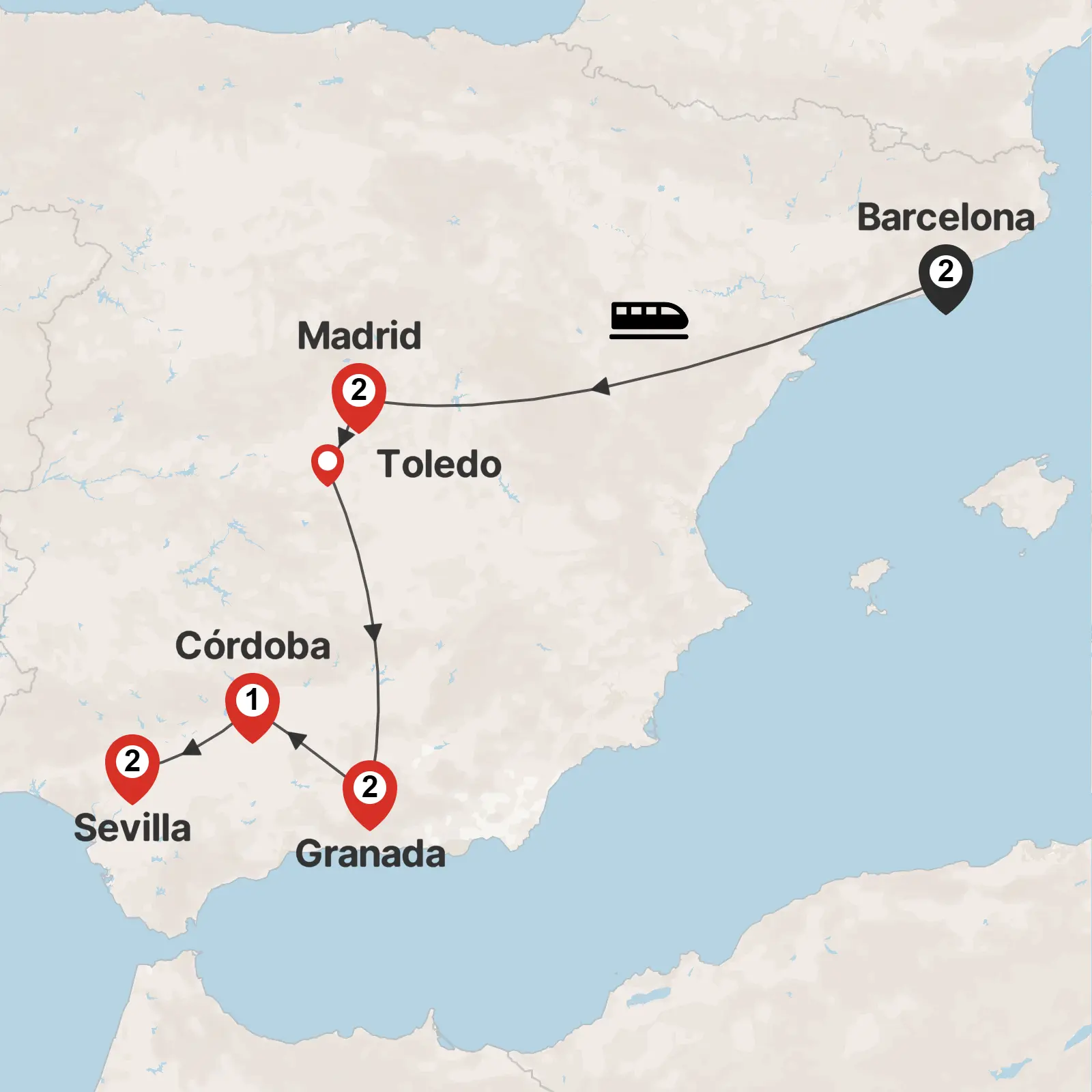


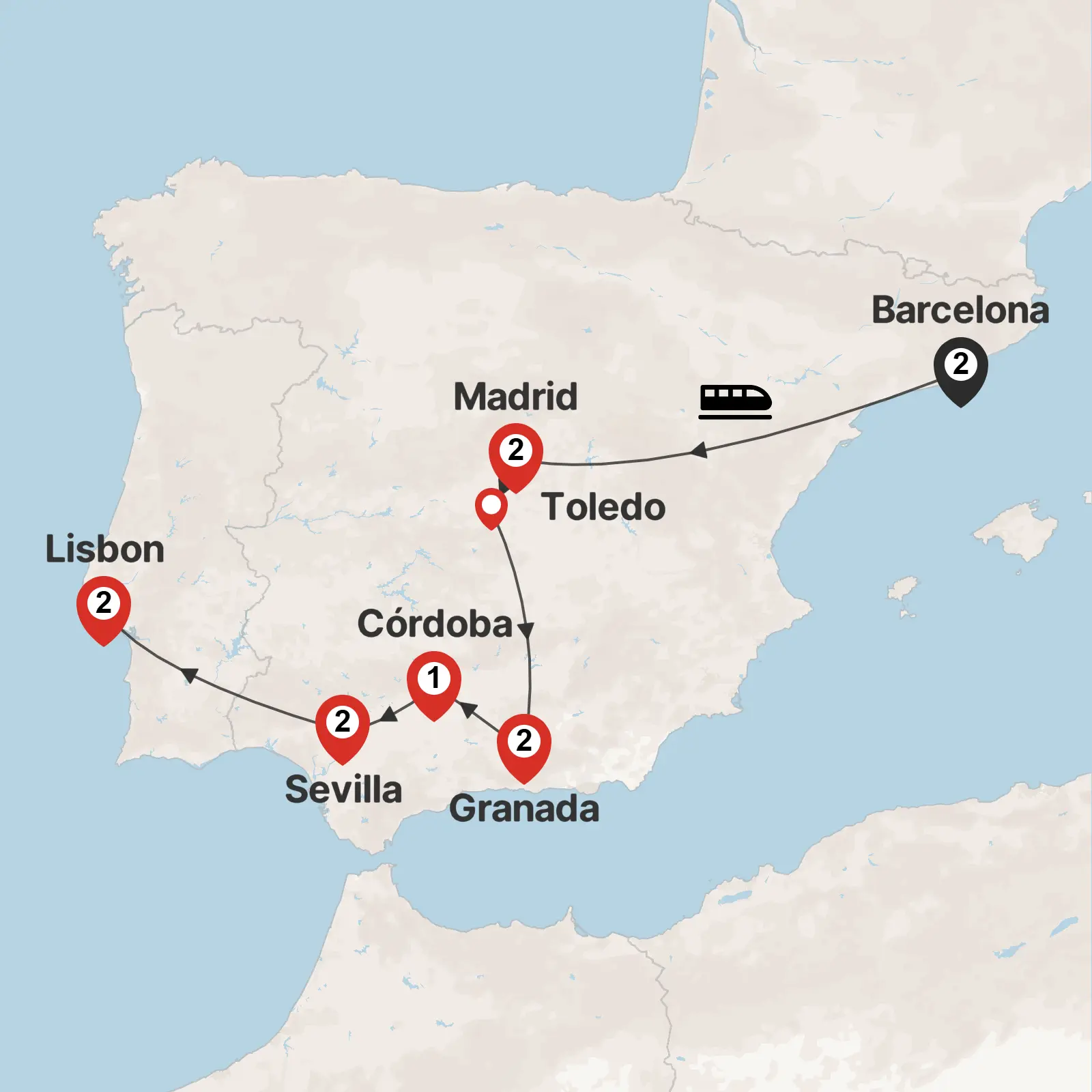
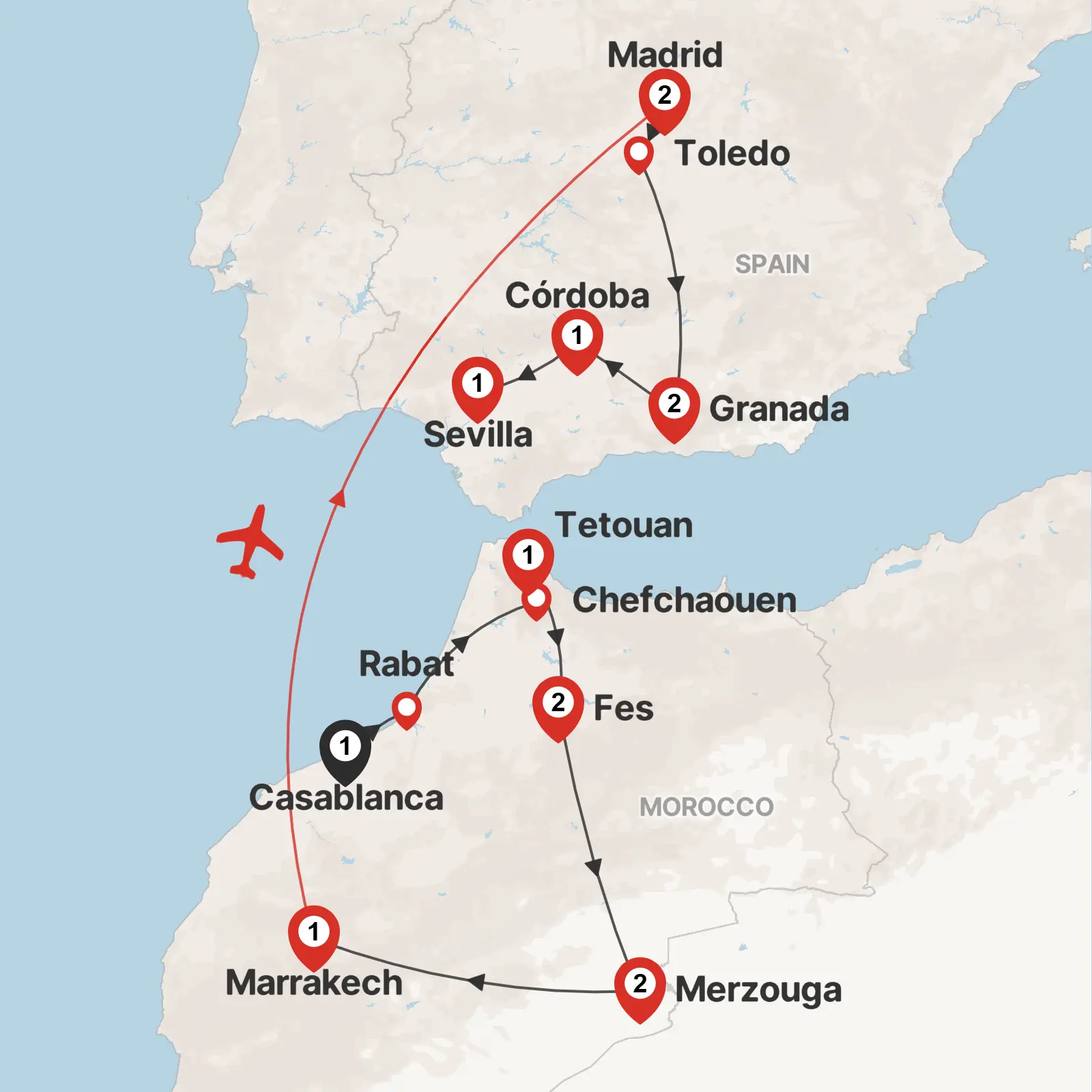
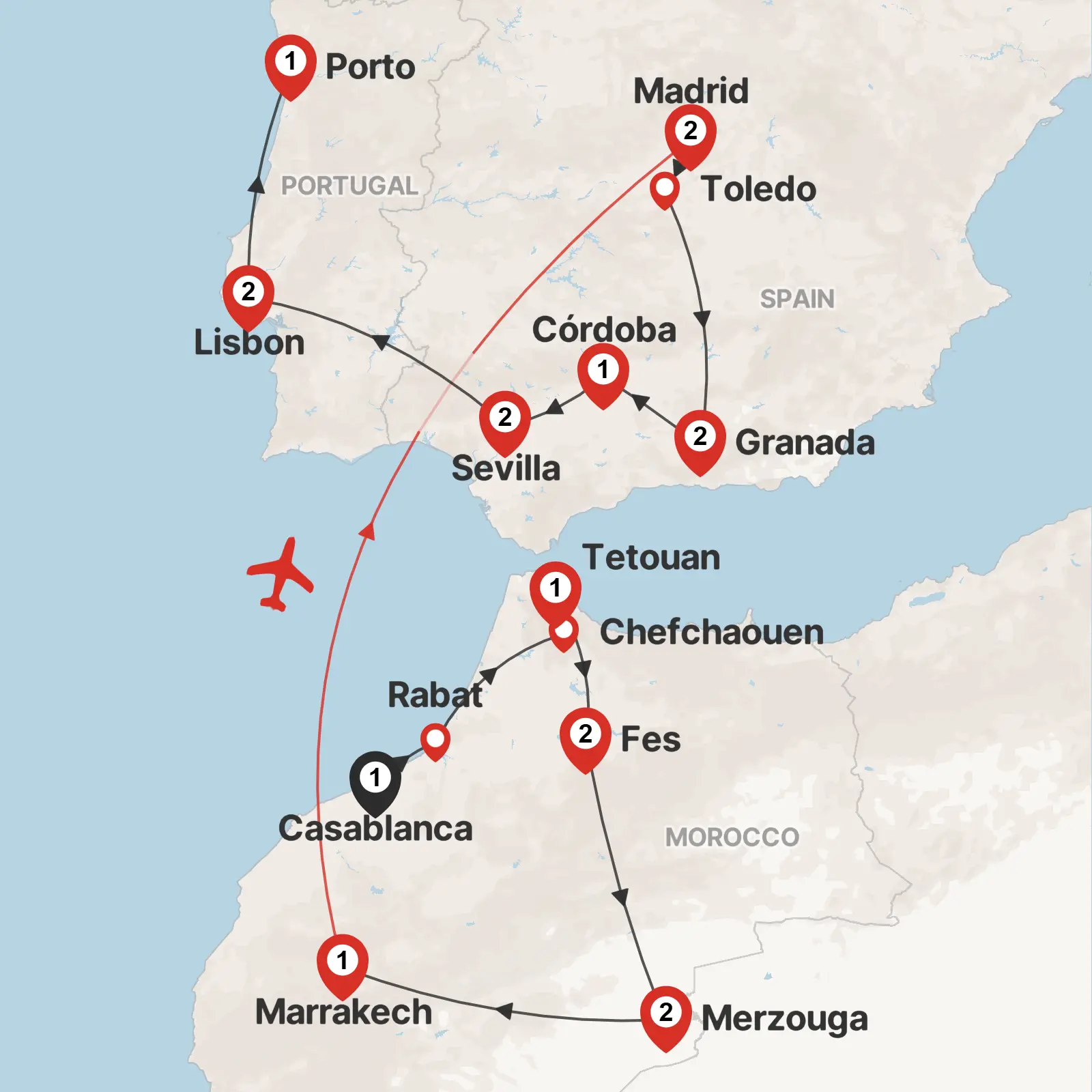
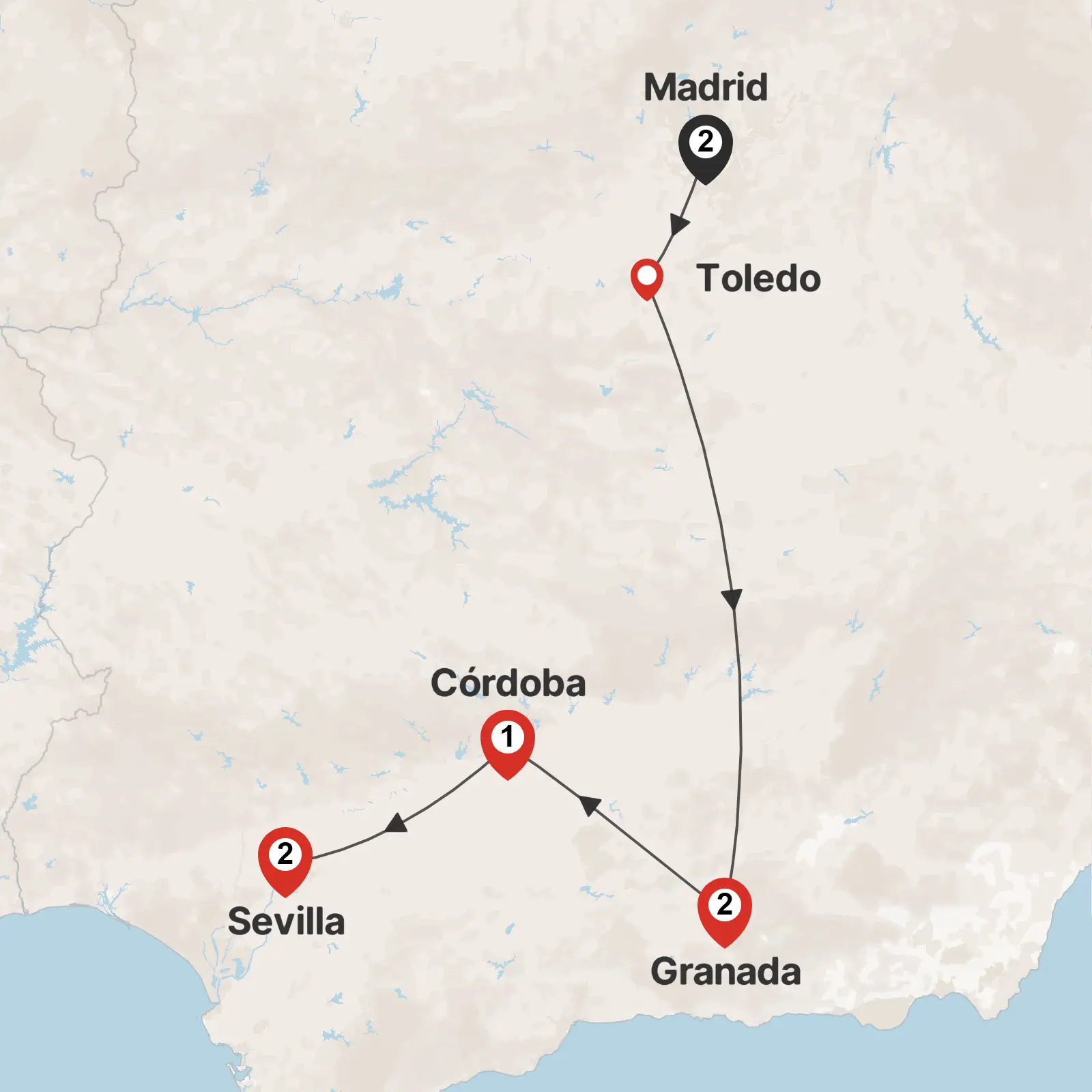
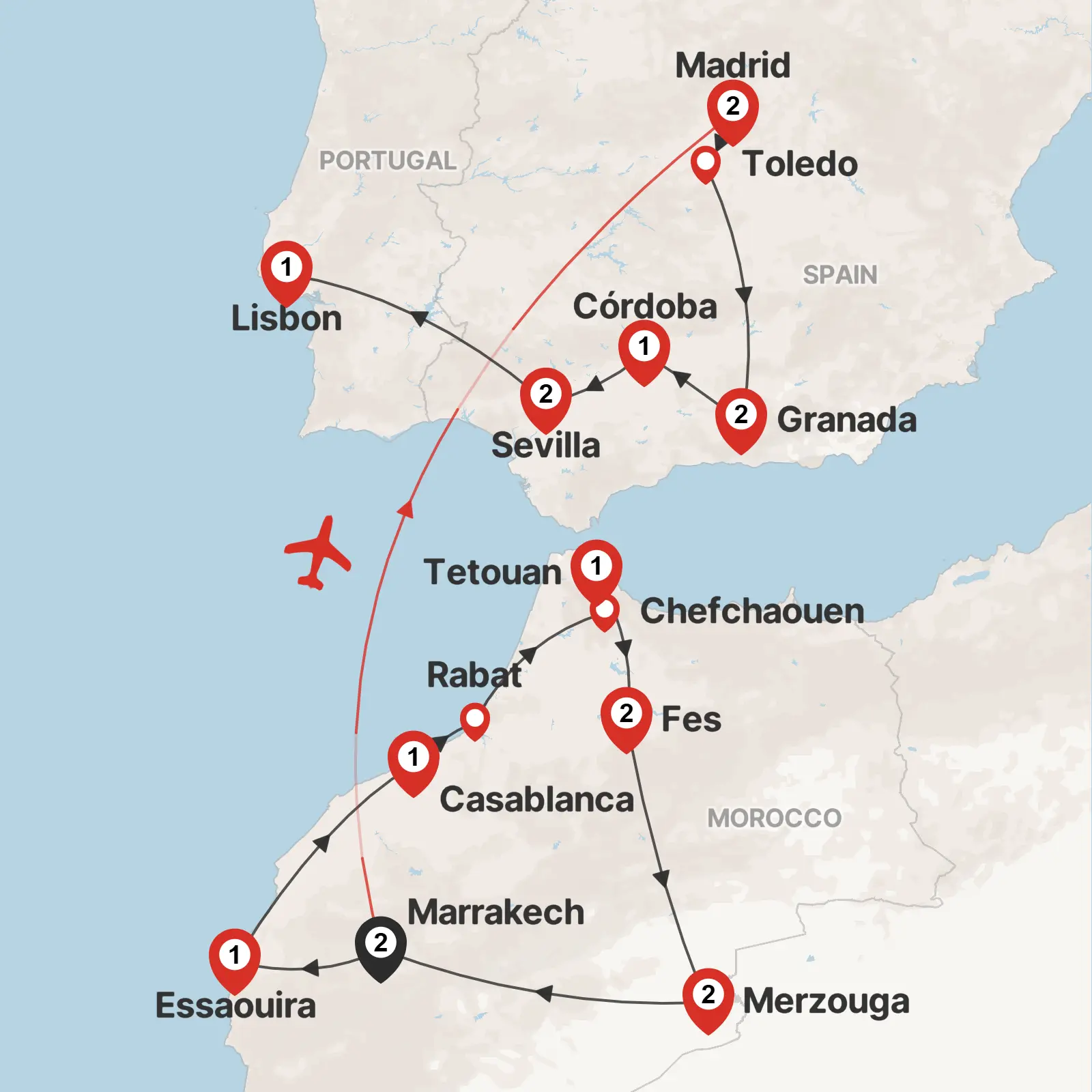
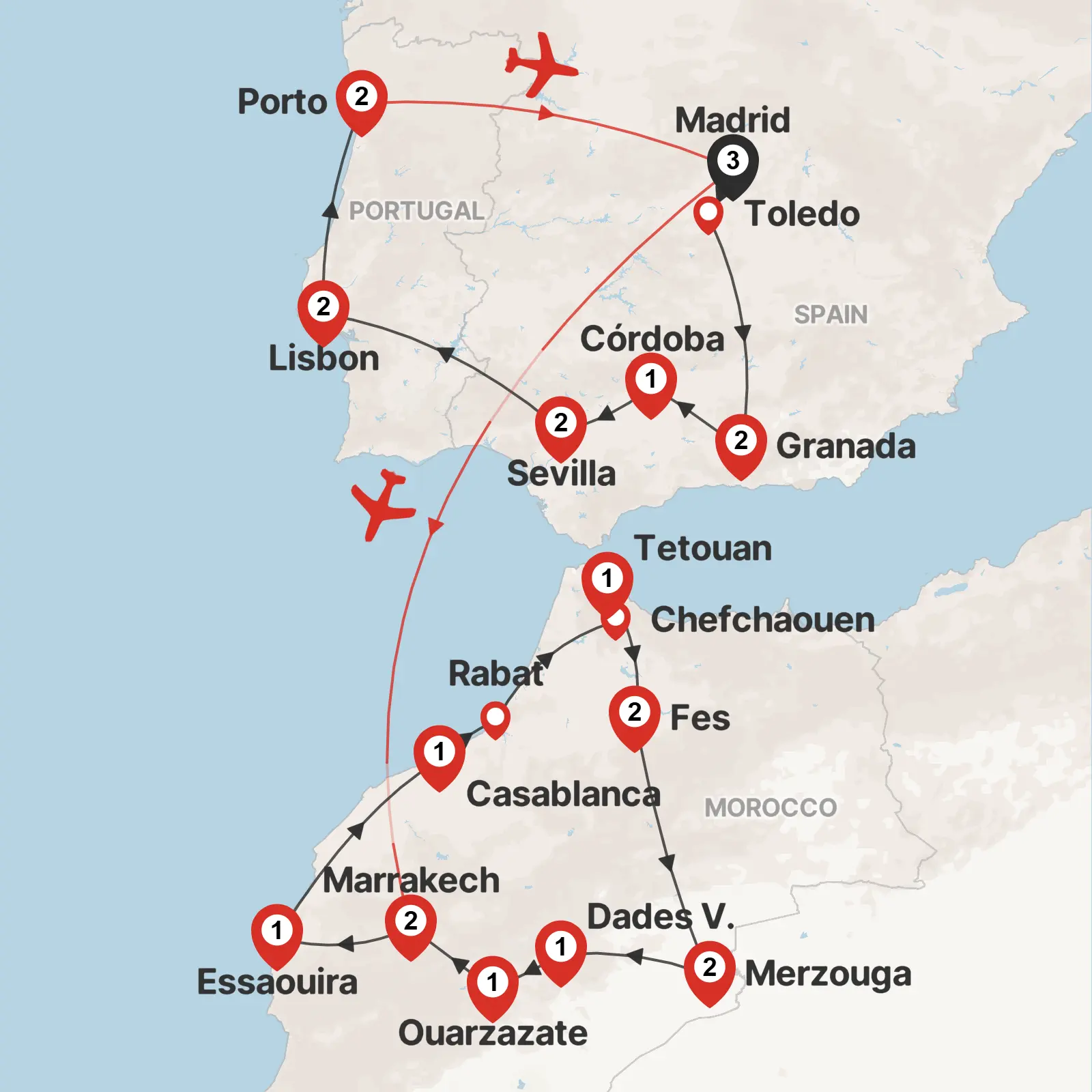
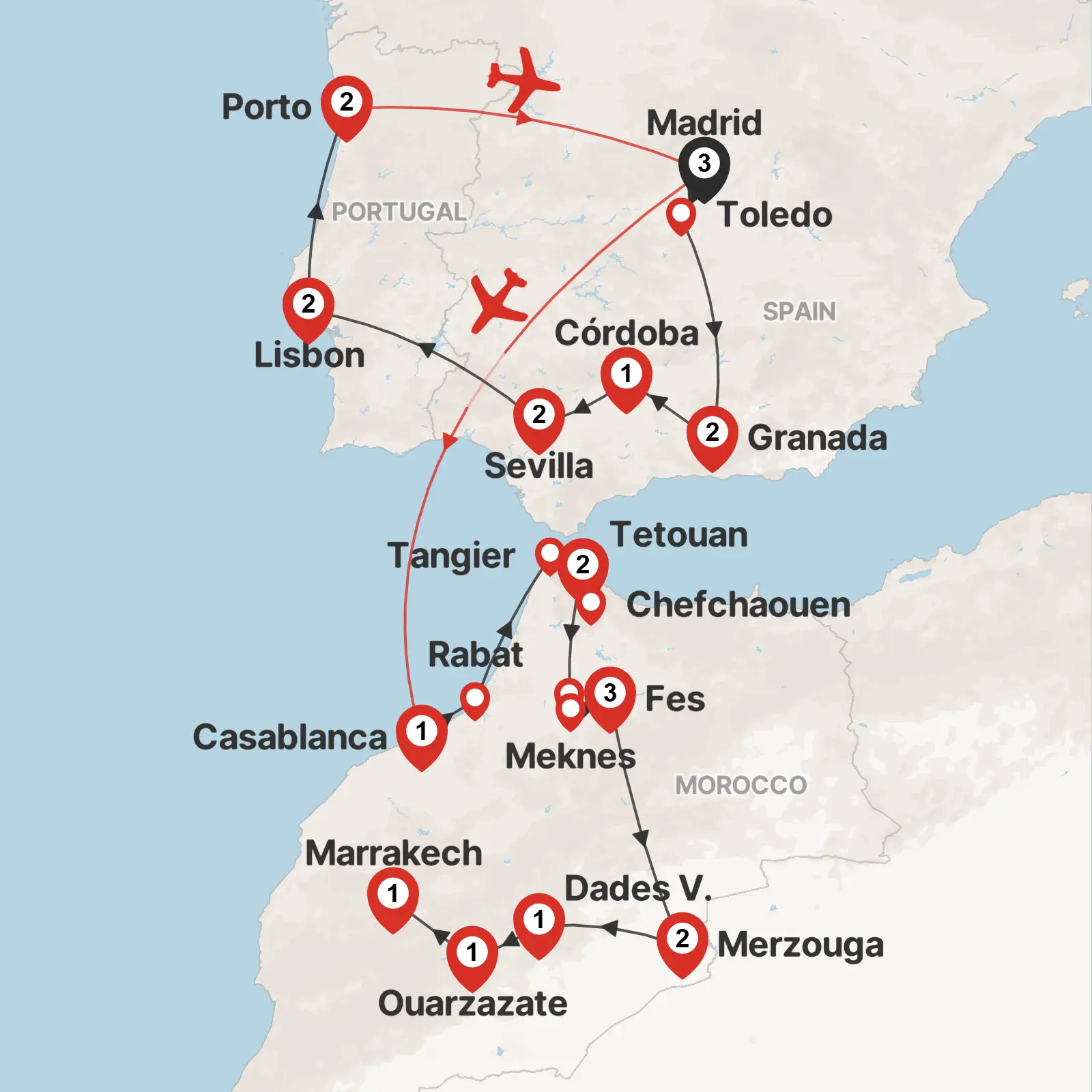
24 Days | 19 Locations | 3 Country