Best Time To Visit Spain
The best time to visit Spain is spring and autumn, when mild temperatures make it ideal for exploring historic cities, enjoying the coast, and experiencing local festivals. These seasons are especially pleasant for visiting popular destinations such as Barcelona, Madrid, Seville, and Granada, although they can also be busier with travellers.
Why You Should Visit Spain: Spain is a captivating destination known for its rich history, vibrant cities, beautiful coastlines, and diverse regional cultures. From exploring the architectural treasures of Barcelona and the historic streets of Seville to discovering Madrid’s world-class museums and relaxing along the Mediterranean, Spain offers an exciting blend of culture, scenery, food, and local traditions.
Things to Consider: Spain’s climate varies considerably between regions, so it is worth checking the weather for your specific destinations before travelling. Summers can be very hot, particularly in central and southern Spain, so lightweight clothing, sunscreen, and plenty of water are recommended. When visiting churches and other religious sites, modest clothing is advisable. Spanish is the official language, although regional languages such as Catalan, Basque, and Galician are also widely spoken in their respective areas. The official currency is the Euro (EUR), and cards are widely accepted, although carrying some cash is useful for smaller purchases and local markets.
Monthly Travel Guide for Spain
Travelling in Spain from Janury to March
January and February are generally cooler across Spain, with milder conditions in southern and coastal areas, while March brings gradually warmer temperatures as spring approaches. This can be a pleasant time for sightseeing and exploring Spain’s historic cities, with fewer crowds than during the busy summer months.
March also marks the beginning of spring, bringing more pleasant days and a growing calendar of festivals and local celebrations. Northern and inland regions can still be cool during this period, while southern Spain tends to be warmer, so suitable layers are recommended.

- You can enjoy fewer crowds and potentially lower prices during the shoulder season.
- Best time to avoid the intense heat of the summer months, particularly in southern Spain.
 Some northern and inland areas can still experience cool or unsettled weather during this period.
- Weather conditions can vary considerably by region and may occasionally affect outdoor activities or travel plans.
Travelling in Spain from April to May
April and May bring warmer, milder weather across Spain, making this an excellent time for sightseeing, exploring historic cities, and enjoying the country’s diverse landscapes. Temperatures are generally comfortable for travelling, while southern Spain and the Mediterranean coast tend to be warmer than northern and inland regions.
Spring is also a lively time to visit, with colourful festivals, local celebrations, and outdoor events taking place across the country. May brings increasingly sunny and pleasant days, although occasional rain is still possible, particularly in northern Spain, so light layers and a waterproof jacket are recommended.
- Enjoy mild, comfortable temperatures that are ideal for sightseeing, walking tours, and outdoor activities.
- Experience colourful spring festivals, local celebrations, and a lively atmosphere across many Spanish cities.
- Explore popular destinations with fewer crowds than during the peak summer months.
- Rain showers can still occur, particularly in northern Spain and during April.
- Sea temperatures can still be cool in April and early May, making beach and swimming activities less appealing in some coastal areas.
Travelling in Spain in June
June brings warm, sunny weather across much of Spain, making it an excellent time for sightseeing, exploring historic cities, and enjoying the country’s beaches and outdoor attractions. Southern and inland areas can become quite hot, while northern Spain and coastal regions generally remain more moderate, making conditions comfortable for exploring.
- Enjoy warm, sunny weather and long daylight hours, ideal for sightseeing, beaches, and outdoor activities.
- Experience Spain’s lively summer atmosphere, with festivals, outdoor events, and vibrant evenings in cities and coastal towns.
- Temperatures can become quite hot in southern and inland areas, particularly during the afternoon.
- Popular destinations begin to get busier as the peak summer season approaches.
Travelling in Spain from July to August
July and August are the hottest months in Spain, with long sunny days and high temperatures across much of the country. Southern and inland areas can become particularly hot, while coastal regions benefit from sea breezes, making them popular for beach holidays, swimming, and water activities.
- Enjoy long, sunny days and warm sea temperatures, ideal for beaches, swimming, and water activities.
- Make the most of extended daylight hours for sightseeing, dining outdoors, and exploring coastal destinations.
- The midday heat can make long sightseeing days tiring, especially in inland cities where temperatures can soar
- Popular coastal resorts can be at their busiest, making quieter beaches and peaceful dining spots harder to find.
Travelling in Spain in September
September brings warm, pleasant weather across much of Spain, with temperatures gradually becoming more comfortable after the peak summer heat. Southern and coastal areas remain ideal for beach days and swimming, while the milder conditions make sightseeing and exploring historic cities more enjoyable.
As the summer season begins to wind down, September offers a lively yet more relaxed atmosphere, with plenty of sunshine, local festivals, and outdoor activities.
Travelling in Spain from October to December
October and November bring cooler temperatures and a gradual transition into autumn, while December marks the beginning of winter across Spain. Southern and Mediterranean regions generally remain milder, whereas northern and inland areas become cooler and can experience more rainfall. These months are well suited to sightseeing, exploring historic cities, and enjoying Spain’s cultural attractions without the intense summer heat.
-
- December brings a festive atmosphere to cities and towns across Spain, with Christmas markets, seasonal celebrations, and beautifully decorated streets.
-
- The cooler months are well suited to city breaks, cultural experiences, and exploring Spain’s renowned food and wine traditions without the intense summer heat.
- Cooler temperatures and increased rainfall, particularly in northern Spain, can make some outdoor activities and coastal days less predictable.
When to Visit Spain

Visiting Spain in Winter
Winter is a wonderful time to experience Spain through its food, traditions, and seasonal celebrations. Christmas and Three Kings festivities bring colourful decorations, markets, and local traditions to cities and towns, while January and February offer opportunities to enjoy cosy tapas bars, regional dishes, and Spain’s vibrant café culture. In the mountains, winter brings snow and opportunities for skiing, while the south provides a gentler climate for travellers looking to combine culture with outdoor exploration.
Tips for travelling in Spain in winter:
- Pack layers, as temperatures can vary significantly between sunny afternoons, cool evenings, and different regions.
- Take advantage of quieter attractions and spend more time exploring Spain’s museums, galleries, historic buildings, and food markets.
- Enjoy seasonal Spanish cuisine, from hearty regional dishes to comforting tapas and warming drinks.

Explore Spain in the Summer
Summer in Spain is about more than sunshine and beach days. From late June through August, the country shifts into a distinctly outdoor rhythm, with long evenings spent over leisurely dinners, lively plazas filling after sunset, and coastal towns coming alive with holidaymakers. In many cities, locals adapt their schedules around the heat, with quieter afternoons followed by a burst of activity in the evening. It is also a great season for enjoying Spain’s islands, Mediterranean coastline, and northern beaches, while mountain areas offer a refreshing alternative to the hotter cities and inland regions.
Tips for travelling in Spain in the summer:
- Carry a reusable water bottle and stay hydrated throughout the day, particularly when sightseeing on foot.
- Choose lightweight, breathable clothing and comfortable shoes for exploring historic streets and plazas.
- Bring sun protection, including sunscreen, sunglasses, and a hat, especially when visiting exposed landmarks.
.jpg)
Festivals & Events in Spain
Spain’s calendar is filled with festivals and celebrations throughout the year, and each season brings its own character. Spring is particularly lively, with Semana Santa processions taking place in cities and towns across the country, followed by the colourful Feria de Abril in Seville. Summer shifts the celebrations outdoors, with local fiestas, music festivals, and traditional events filling streets and plazas. It is also a wonderful time to experience Spain’s coastal celebrations, where warm evenings and lively waterfronts create a distinctly festive atmosphere.
- Spring: Semana Santa, Feria de Abril, and the Fallas of Valencia offer memorable displays of tradition, music, art, and local culture.
- Summer: San Fermín in Pamplona, local fiestas, outdoor concerts, and regional celebrations bring Spain’s streets to life.
- Autumn: Harvest festivals, food fairs, and wine-related celebrations showcase Spain’s rich regional produce and culinary traditions.
- Winter: Christmas markets, New Year celebrations, and Three Kings festivities create a festive atmosphere across the country.
- Late winter: Carnival celebrations in Cádiz and the Canary Islands feature colourful costumes, music, performances, and lively street celebrations.
Spain by Season
Winter
The best time for hiking in southern Spain is from November to March. During these months, temperatures are generally cooler and more comfortable for walking, particularly in areas such as Andalusia, where summer heat can make longer hikes challenging.
Winter is also an excellent time for city sightseeing in Spain, especially in destinations such as Seville, Córdoba, Granada, and Málaga. Cooler temperatures make it more comfortable to explore historic neighbourhoods, landmarks, and outdoor attractions, while many popular destinations are quieter than during the peak summer months.
Best Things to do in Spain in winter:
Explore the Alhambra in Granada, wander through the historic streets of Seville and Córdoba, discover Madrid’s world-class museums, or enjoy the festive atmosphere and seasonal traditions in Spain’s cities.

Spring
The best time for exploring Spain’s cities and cultural highlights is from March to May, when mild temperatures make it comfortable to spend time outdoors without the intense summer heat. Spring is also a vibrant season for local celebrations, outdoor dining, and discovering Spain’s historic neighbourhoods, architectural landmarks, and lively plazas.
Best Things to do in Spain in spring:
Visit Seville during its famous spring celebrations, explore the architectural treasures of Barcelona, discover Madrid’s museums and grand boulevards, or wander through the historic streets and landmarks of Granada and Córdoba.

Summer
Summer is a great time for sightseeing and experiencing Spain’s cultural highlights, particularly if you enjoy lively cities, long evenings, and a vibrant atmosphere. From the grand boulevards of Madrid and the architectural treasures of Barcelona to the historic streets of Seville and Granada, Spain’s cities offer plenty to discover alongside seasonal festivals, outdoor dining, and local celebrations.
Best Things to do in Spain in summer:
Explore Barcelona’s remarkable architecture, discover Madrid’s museums and historic landmarks, wander through Seville’s atmospheric old town, visit the Alhambra in Granada, and experience Spain’s lively plazas, festivals, and cultural traditions.

Autumn
The best time for budget travel to Spain is during the shoulder season from September to November, when the summer crowds begin to ease and temperatures become more comfortable for sightseeing. Travellers can enjoy a more relaxed atmosphere in popular cities and cultural destinations, while autumn also brings a rich calendar of local festivals, food traditions, and seasonal events.
Autumn is also a great time for a family holiday in Spain, particularly for families who prefer milder temperatures and a quieter pace than the height of summer. The season is well suited to exploring historic cities, visiting museums and cultural attractions, and enjoying Spain’s regional cuisine and traditions together.
Best Things to do in Spain in autumn:
Enjoy Spain’s changing landscapes and cooler days while discovering the historic streets of Toledo, the architectural treasures of Barcelona, the cultural highlights of Madrid, and the Moorish heritage of Granada and Seville.

Spain FAQ

What’s the cheapest time to go to Spain?
The cheapest time to visit Spain is generally during the shoulder seasons of spring and autumn, particularly March–May and September–November, when prices and crowds are often lower than in peak summer.

What is the hottest month in Spain?
July and August are generally the hottest months in Spain, with July often experiencing the highest average temperatures, particularly in central and southern regions.

What is the best month for visiting Andalusia?
The best months to visit Andalusia are generally April to May and September to October, when temperatures are pleasant for sightseeing and exploring the region’s historic cities, cultural attractions, and beautiful landscapes.

What is the best time to visit Barcelona?
The best time to visit Barcelona is generally April to June and September to October, when the weather is nice for visiting the famous outdoor sights, cultural attractions, and enjoying the city without the peak summer heat.
What is the best time for exploring Spain without the sweat?
The best time to explore Spain without the intense heat is spring and autumn, particularly April to May and September to October, when temperatures are generally comfortable for sightseeing and exploring the country’s cultural highlights.

How many days do you need to visit Spain?
For a first visit to Spain, 10–14 days is ideal, giving you enough time to explore major destinations such as Barcelona, Madrid, Seville, and Granada without feeling too rushed.

What is the coldest month in Spain?

What are the best cities to visit in Spain?
Some of the best cities to visit in Spain include Barcelona, Madrid, Seville, Granada, Valencia, and Málaga, each offering a distinct mix of history, architecture, culture, food, and local character.

Is it safe to travel to Spain?

What are the most beautiful places in Spain?

Does Spain have nightlife?
Yes, Spain is well known for its lively nightlife, with Barcelona, Madrid, Seville, and Granada offering everything from traditional tapas bars and lively plazas to cocktail lounges, live music venues, and late-night clubs.

Which airlines fly directly into Spain?
Major airlines flying directly to Spain include Iberia, Vueling, Air Europa, Ryanair, easyJet, British Airways, Lufthansa, Air France, and Turkish Airlines, although routes vary depending on your departure city and season.

What to wear in Spain?
Pack lightweight, comfortable clothing for Spain, especially in summer, along with comfortable shoes, sunglasses, and sun protection. For spring and autumn, bring layers for cooler mornings and evenings, while winter calls for warmer clothing and a waterproof jacket. Modest clothing is recommended when visiting churches and religious sites.
Related Tours


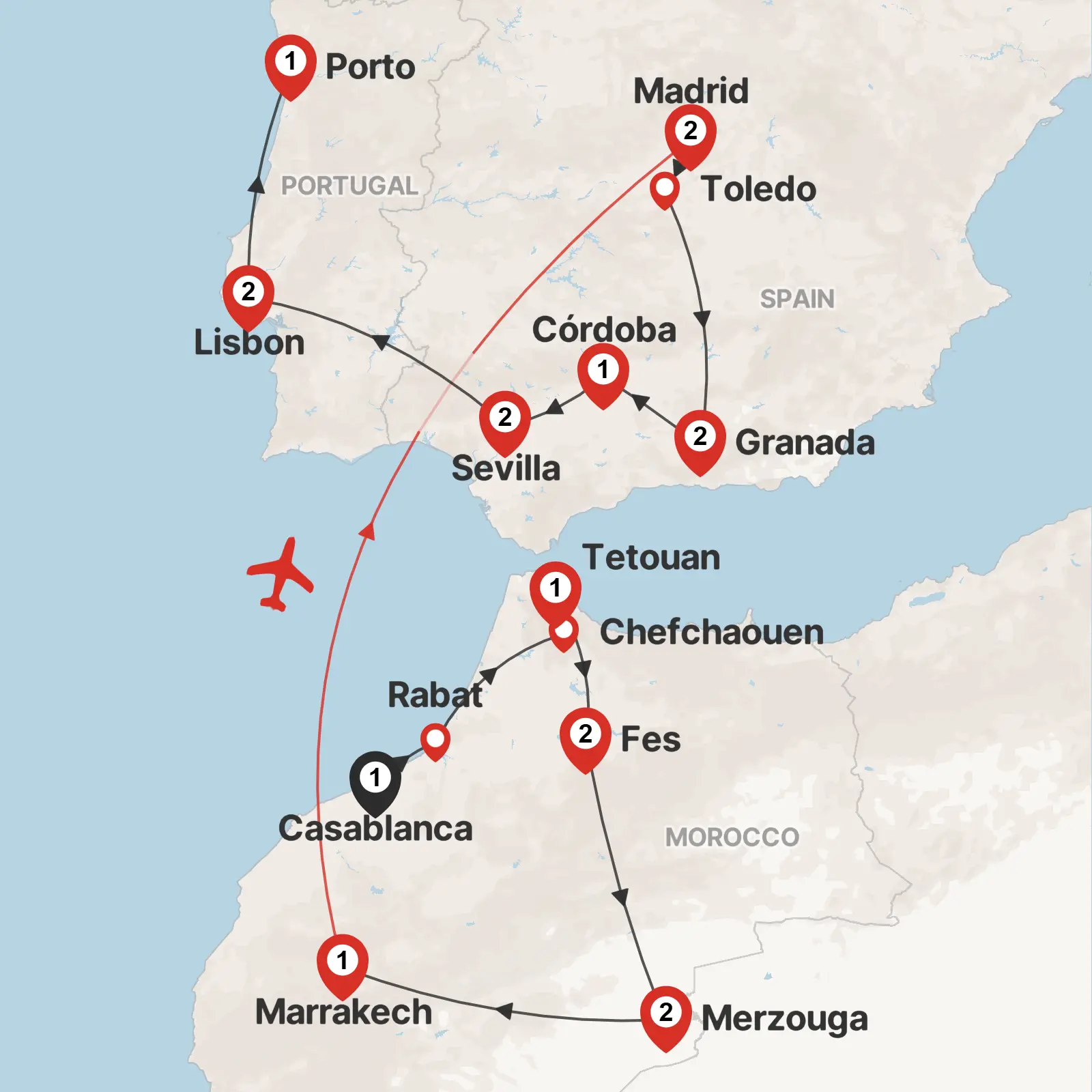
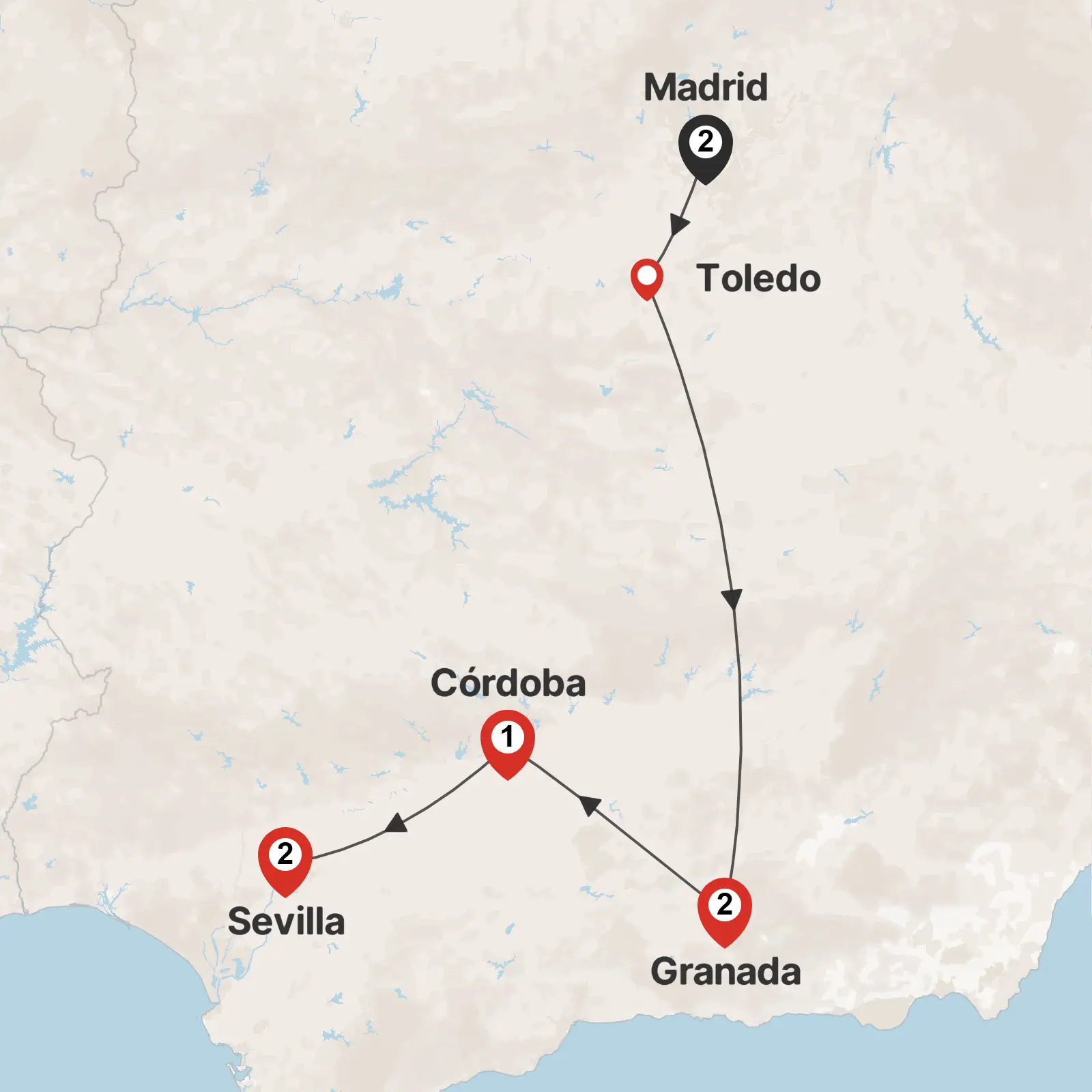
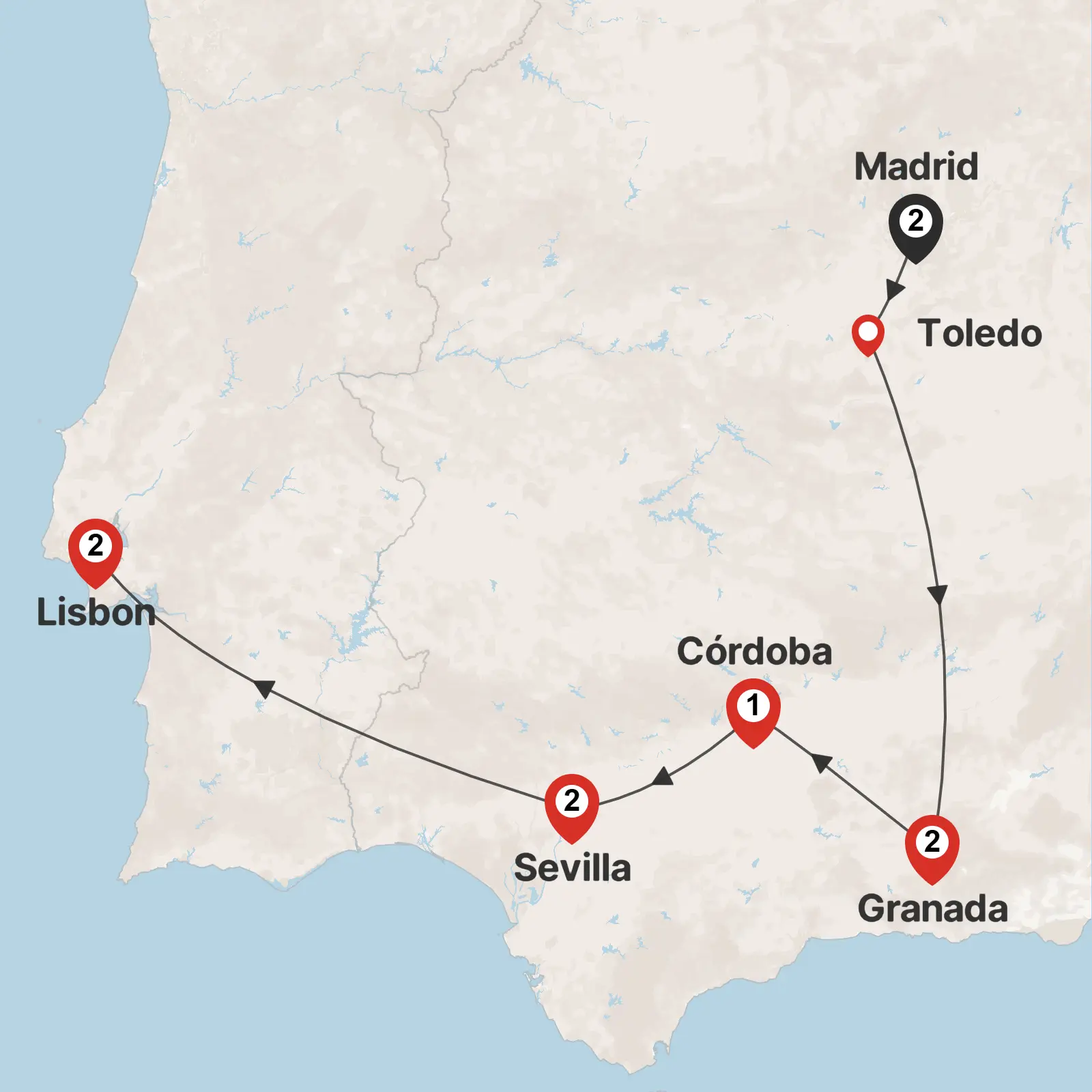
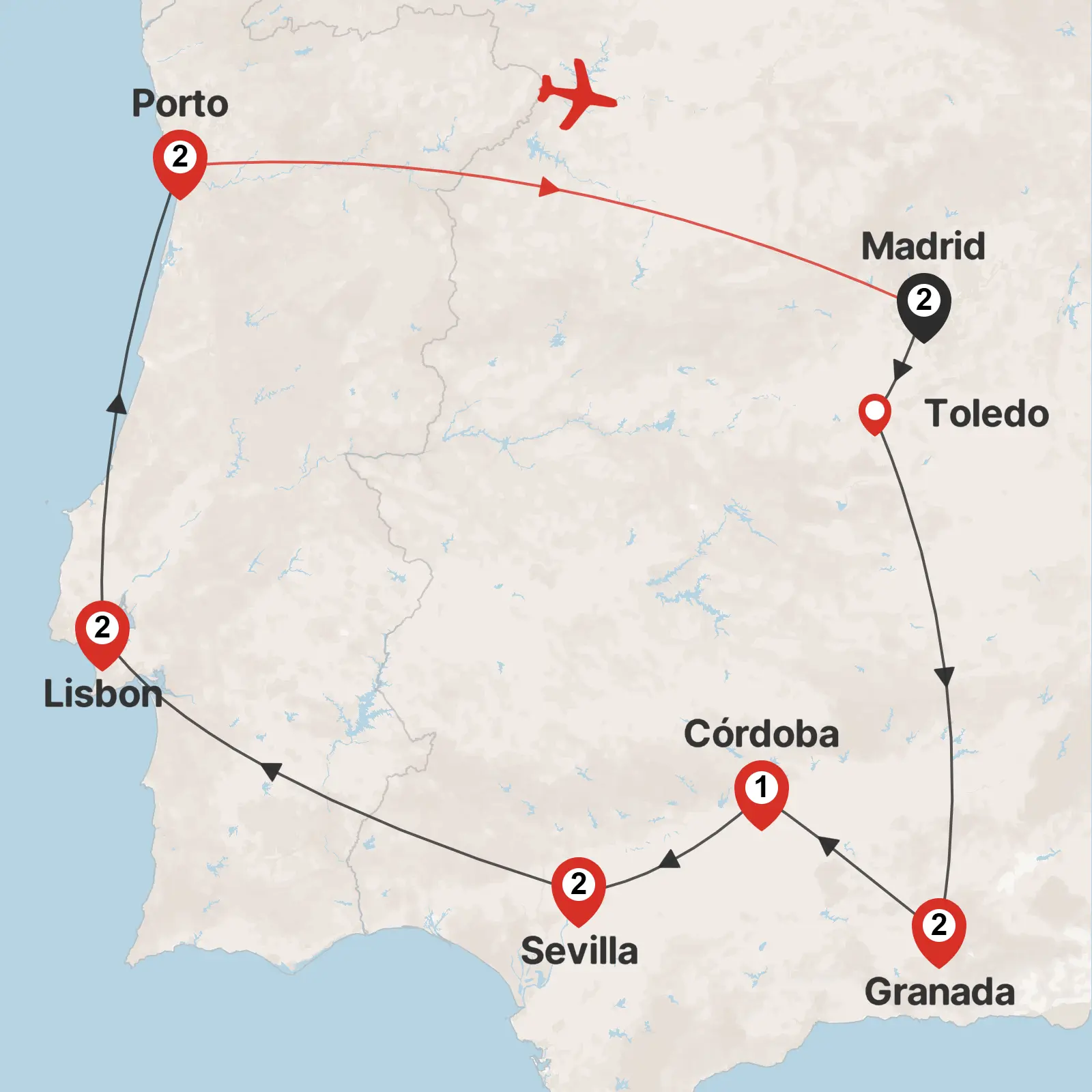
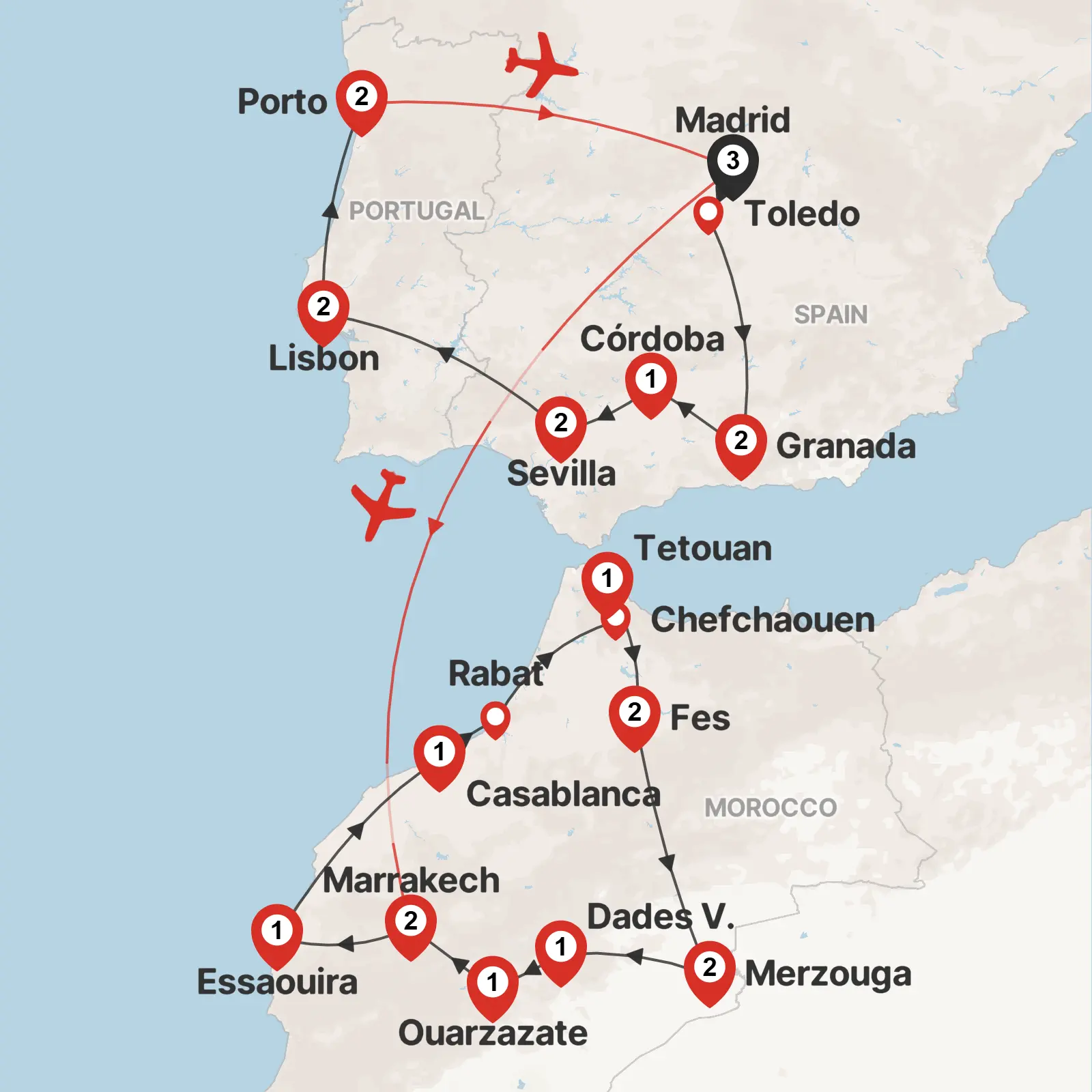
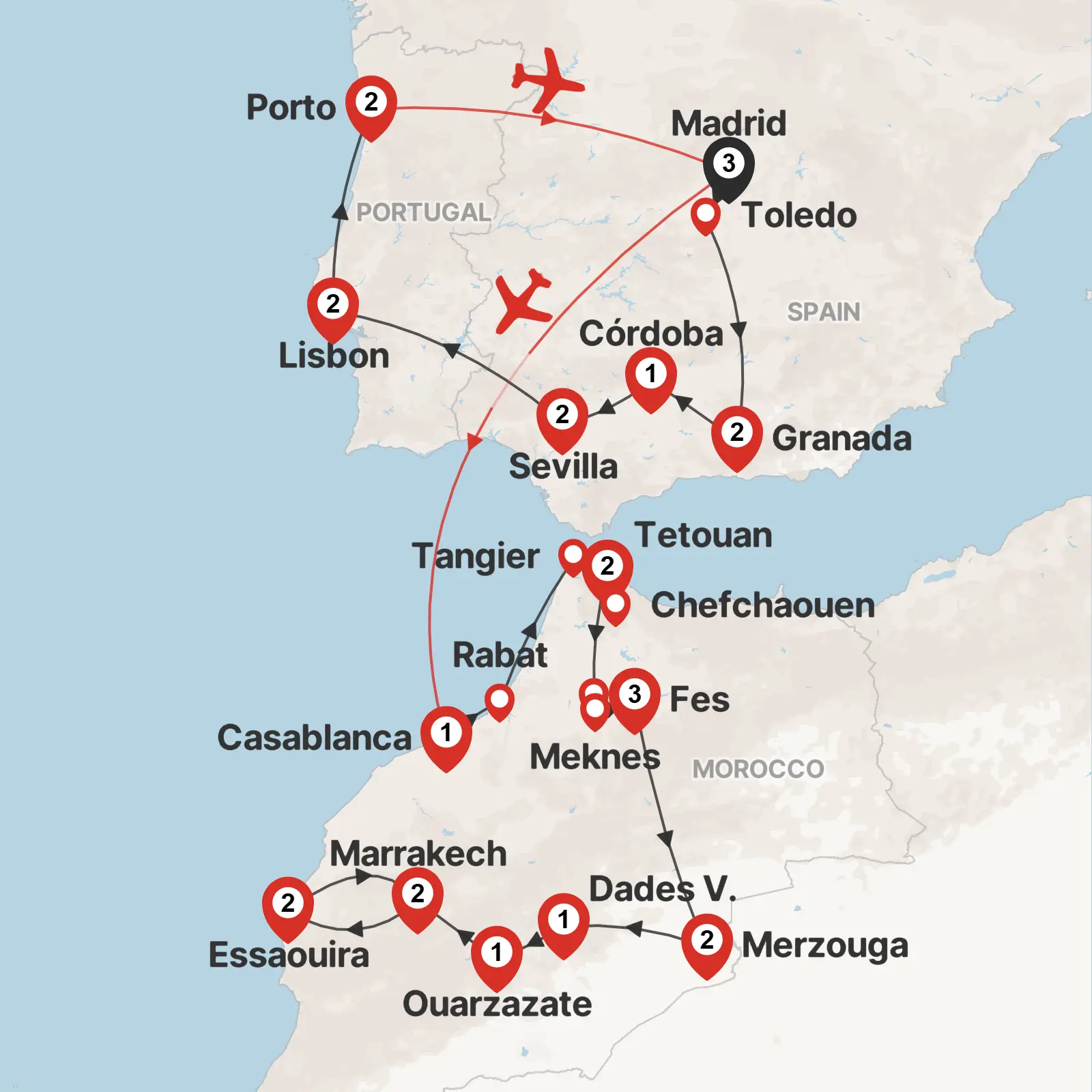
24 Days | 19 Locations | 3 Country
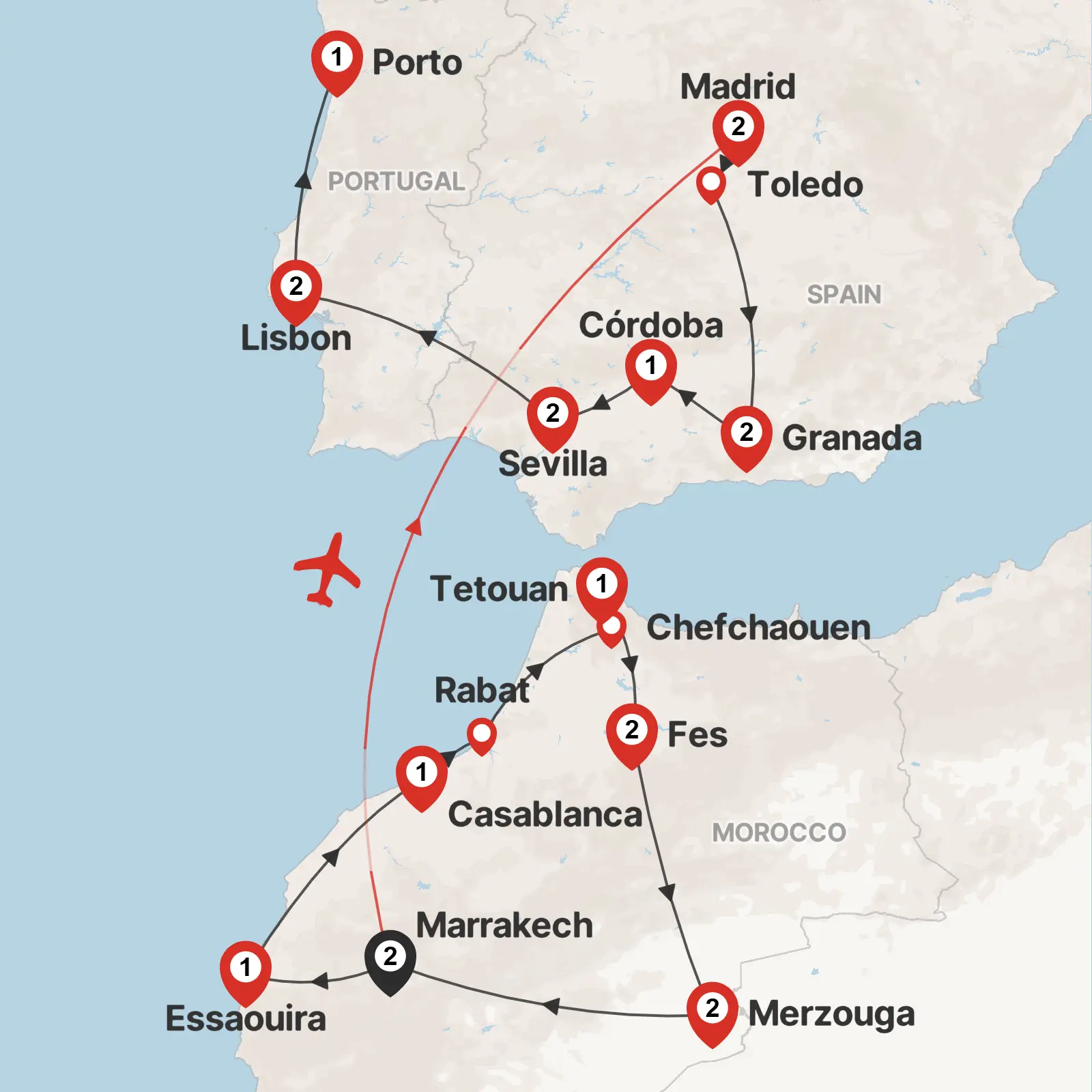
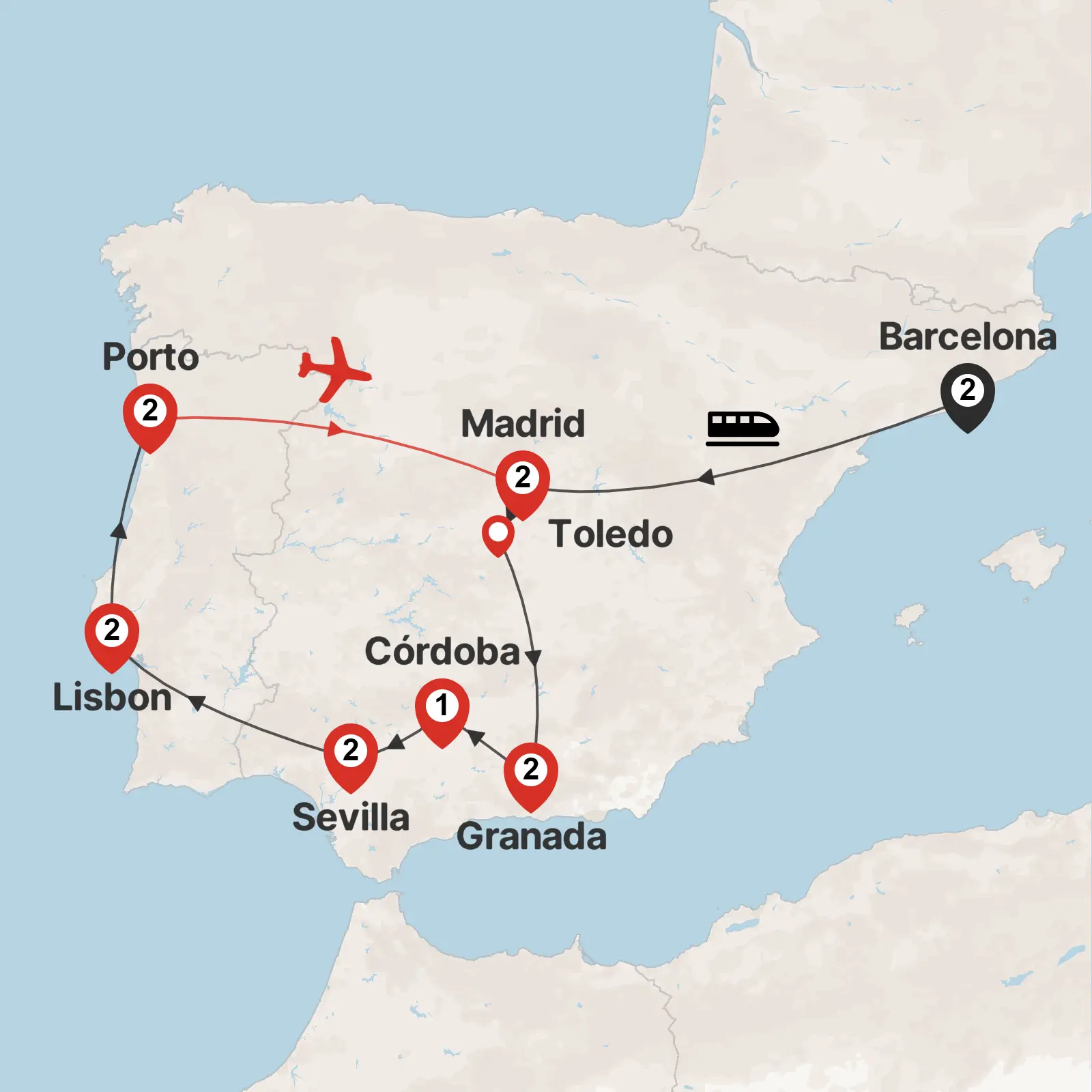
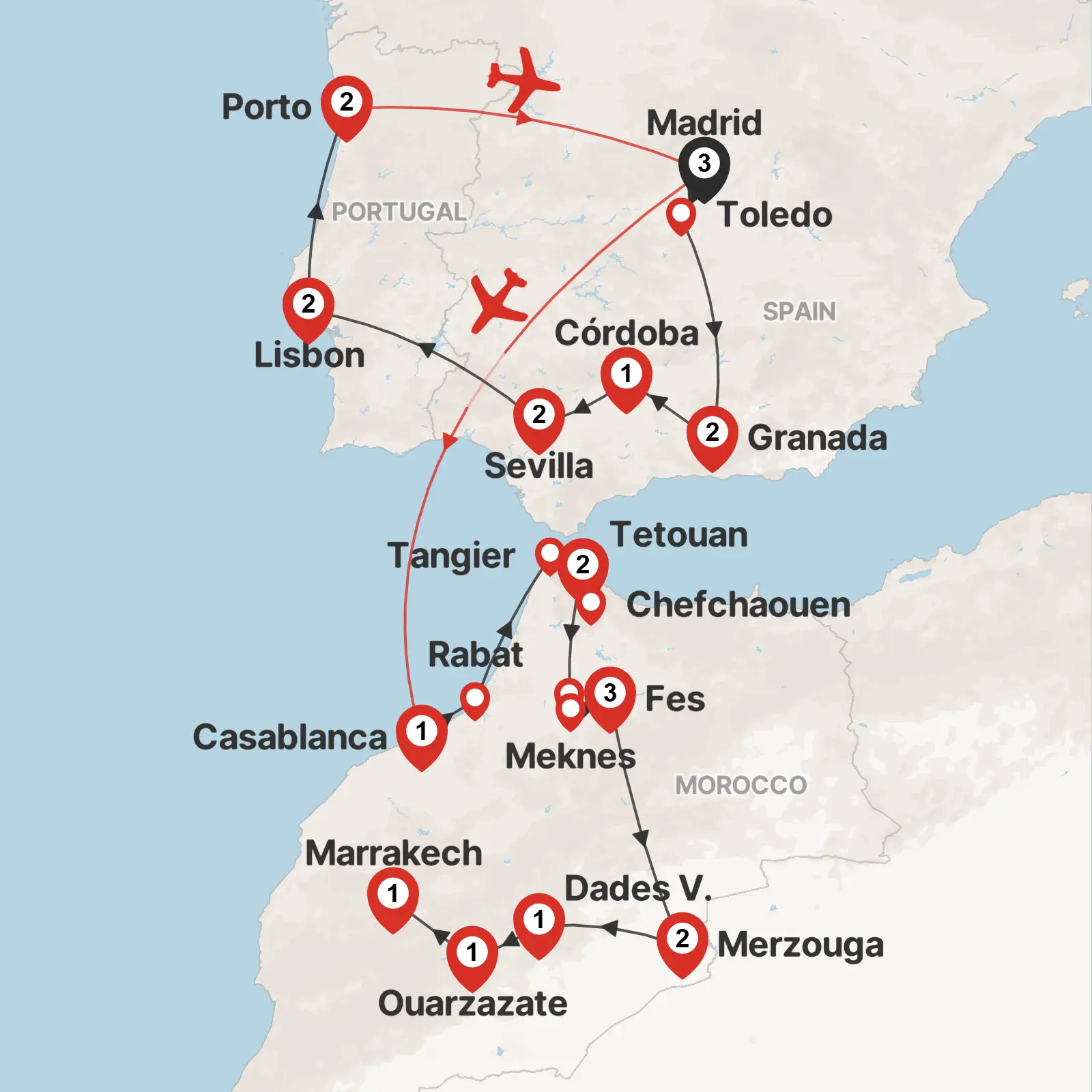
24 Days | 19 Locations | 3 Country